Russia’s war against Ukraine sends the bill to its own companies: bond defaults head for a 17-year high
The squeeze is spreading from small firms to Moscow's own budget, which is running a record deficit to keep the war going.
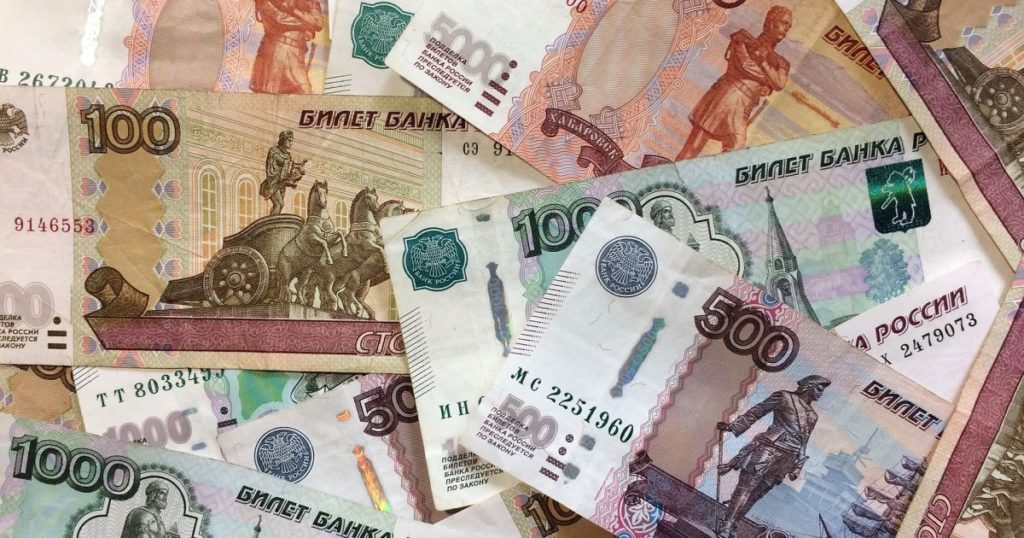
More than 50 Russian companies may default on their bonds this year, marking the highest number since 2009, according to a rating agency analyst. The Russian economy is struggling under high interest rates and a ballooning budget deficit, with the 2026 deficit set to nearly double from an earlier projection to a staggering $88 billion.
Russia's war effort has led to increased taxes to fund the conflict and a significant defense budget increase. So far this year, 20 companies have defaulted, compared to 24 in all of 2025, noted Mikhail Nikonov from the Expert RA rating agency. Most of these companies are small issuers of high-yield bonds. In 2026 alone, Russian companies have missed bond payments totaling 41 billion rubles (around $490 million), up from 34 billion rubles (about $410 million) the previous year, according to investment bank Sinara.
The number of bond defaults in 2026 has already surpassed the highest level seen in a decade, with Pavel Zholobov from the NRA rating agency predicting it will reach 40-50 companies by the end of the year. This surpasses the 35 company defaults in 2014, 52 in 2015, and 44 in 2016. Similar to the circumstances in the mid-2010s, the main driver behind the current defaults is the prolonged period of high interest rates since 2023.
Companies are finding it challenging to refinance their debt at more favorable terms, while high interest rates continue to weigh heavily on them. The situation is not yet a systemic debt crisis, as defaults are primarily affecting companies with low credit ratings and high debt burdens. If a company fails to make bond payments by the agreed deadline, it becomes delinquent, and may be offered a restructuring deal, such as delayed payments in exchange for a higher interest rate.
The number of defaults is expected to remain high in 2027 as well. High interest rates were a response to Russia's accelerating inflation, which was exacerbated by Western sanctions following Russia's annexation of Crimea and its war in Donbas. Additionally, the halving of oil prices and a sharp weakening of the ruble have further strained the Russian economy.
Defense Minister Yevhenii Khmara has reported that strikes on oil refineries have knocked out more than 51% of Russia's oil refining capacity, and the country's fuel exports have been restricted.
Written by urgent.news from Euromaidan Press's reporting — not their text. Machine-written — may contain errors; check the original before relying on it.