Russia glosses over Stalin-era repression in reinvented museum
In a Moscow museum that once housed evidence of Stalin-era repression, serene family scenes flickered on a screen as a narrator hailed the tranquillity of pre-World War II life in the Soviet Union. The museum – set up to commemorate the “genocide of the Soviet people” – has elbowed out the award-winning Gulag History Museum, a harrowing collection that had for years cast a light on the killings…
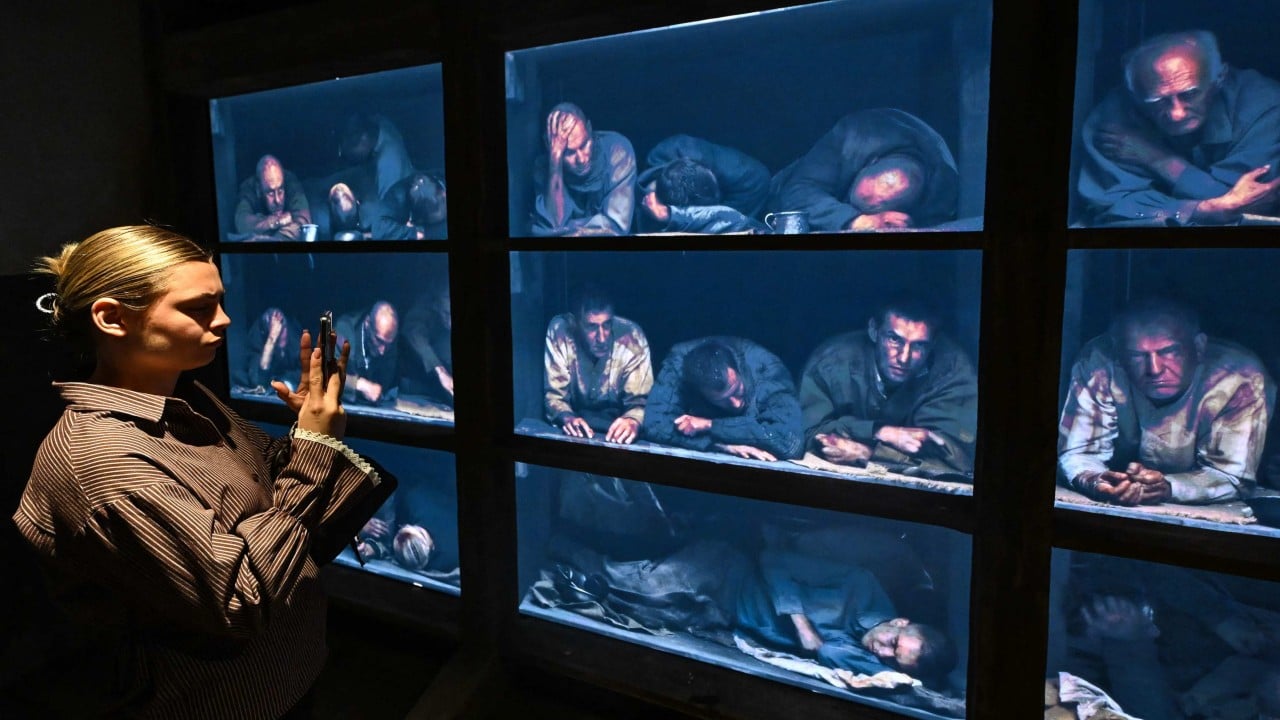
A Moscow museum once infamous for showcasing Stalin-era repression now presents a sanitized version of Soviet history, casting aside the grim realities of the gulag system. The new museum, dubbed the "Museum of Memory," focuses on the "Great Patriotic War" and reiterates the Kremlin's narrative that the war began with a Nazi invasion in 1941.
The museum, which replaced the Gulag History Museum, boasts a low-key presence, offering guided tours by appointment and featuring actors to enact the imagined experiences of a family, the Lebedevs, enduring persecution during the war, concentration camps, and forced resettlements. Despite its digital recreations of Nazi concentration camps and wax figures of victims, the museum bypasses firsthand accounts, opting instead for AI-generated narratives.
Critics argue that the closure of the original Gulag museum and the content of the new museum serve a political purpose: to erase the history of the gulag – a history that includes up to 18 million people imprisoned between the 1930s and early 1950s, with at least 1.5 million dying in its brutal system. The replacement museum, however, keeps a deliberate silence on these atrocities, focusing instead on the "peace" that follows war and the importance of judging crimes through courts.
This shift in focus comes at a time when Russia has increased its crackdown on dissent and military censorship following its invasion of Ukraine. A historian on a tour expressed sadness at the loss of the original museum, noting that history can repeat itself, potentially in an even more devastating manner.
Written by urgent.news from South China Morning Post's reporting — not their text. Machine-written — may contain errors; check the original before relying on it.