RFK Jr.'s Embrace of AI Confounds Some MAHA Allies and Medical Experts
(MedPage Today) -- Health Secretary Robert F. Kennedy Jr. has built a national following by channeling the energy of Americans who are worried about the influence of corporations, including makers of vaccines, drugs, processed foods, and pesticides...
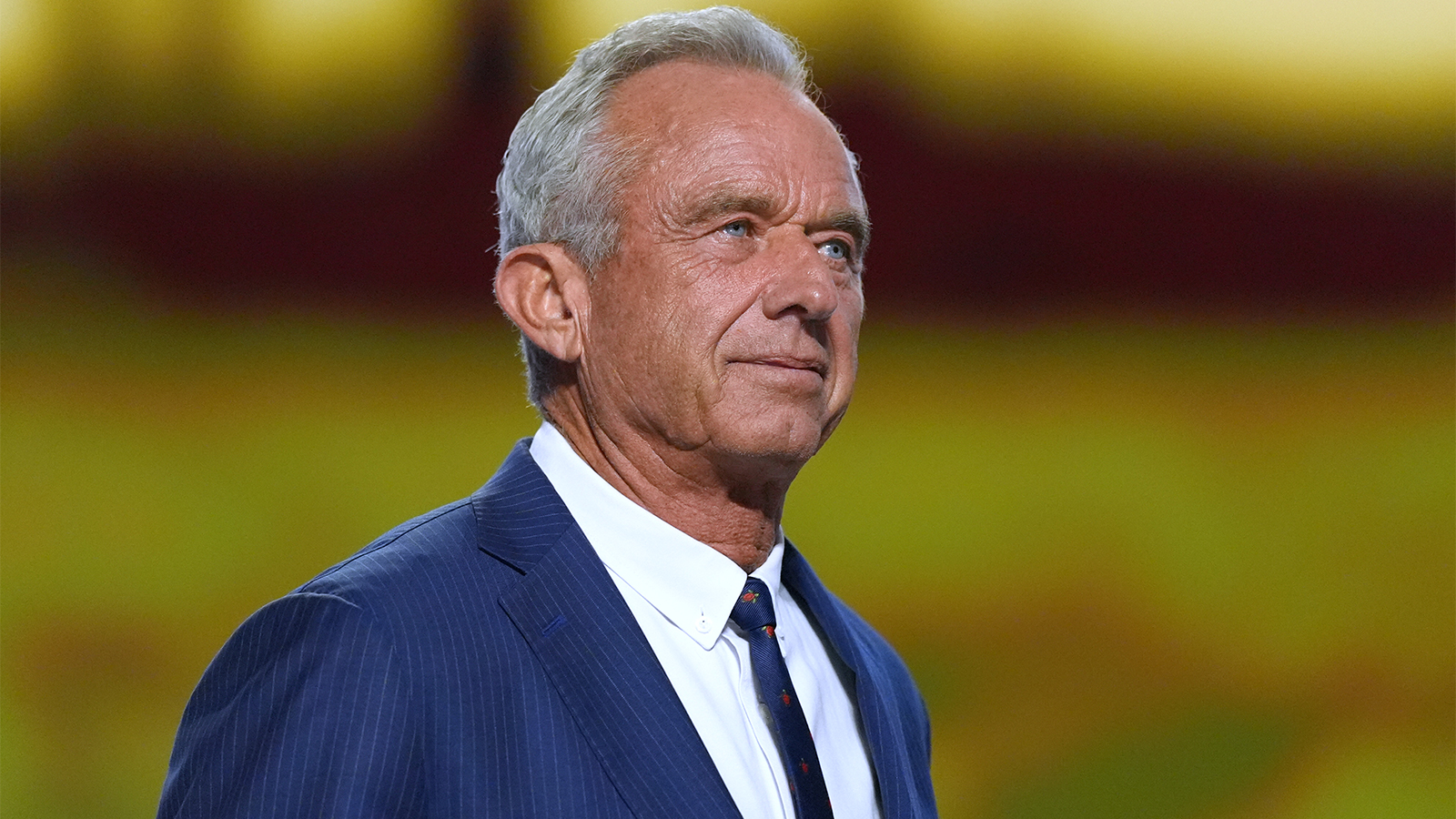
Robert F. Kennedy Jr., the leader of the Make America Healthy Again (MAHA) movement, has endorsed artificial intelligence (AI) at a MAHA summit. In his speech, Kennedy claimed that AI would enable Americans to question medical advice from public officials, thus liberating them from what he perceives as medical tyranny. However, some MAHA allies and medical experts are perplexed by Kennedy's endorsement of AI and question its efficacy as a safeguard against the medical establishment.
Criticisms from within the MAHA movement argue that Kennedy is increasingly aligning with corporate interests, mirroring those he once criticized. They contend that the MAHA movement is increasingly cozying up to the very corporations he once scrutinized. Medical experts, however, argue that Kennedy's vision of AI as a counterbalance to the medical establishment is fundamentally flawed.
Experts contend that AI systems merely aggregate existing medical knowledge and professional guidelines, which in turn amounts to medical expertise. Zeke Emanuel, a bioethicist at the University of Pennsylvania, emphasized that AI cannot replicate the nuanced understanding of medical professionals.
Despite opposition, Kennedy maintains that AI will give Americans more control over their health data. He believes that AI can help patients understand their medical records, question the information presented, compare it with evidence-based literature, and make better decisions with their doctors. The technology, according to Kennedy, will also help doctors work more efficiently, allowing them more time to treat and care for patients.
Many of the sponsors of the MAHA summit, including OpenAI and Anthropic, have ties to the U.S. government. These companies, along with others in the healthcare and technology sectors, have a vested interest in the advancement of AI. Critics argue that this creates a conflict of interest, with these corporations potentially prioritizing their own business interests over the public good.
The Trump administration has been a proponent of AI, resisting efforts to regulate the technology. President Donald Trump has revoked an executive order on AI oversight and even attempted to rebrand AI as "super intelligence." This has led to increased integration of AI into various sectors, including healthcare. For example, Medicare officials have been discussing the use of AI-powered medical chatbots to provide prescription refills.
Robert Malone, a vaccine researcher who has raised concerns about the safety of mRNA shots, sees Kennedy's alliance with Silicon Valley as consistent with broader efforts across the Trump administration. Malone argues that the summit demonstrates how big companies are replacing grassroots activists who originally powered the MAHA movement.
Written by urgent.news from MedPage Today's reporting — not their text. Machine-written — may contain errors; check the original before relying on it.
This story
This is one outlet's version. Read the fullest account.