Researchers probe the oxytocin system for clues to functional neurological disorder
Researchers exploring Functional Neurological Disorder found that while genetics alone don't explain the condition, epigenetic markers and salivary oxytocin levels interact in ways that align with a patient's history of childhood trauma.
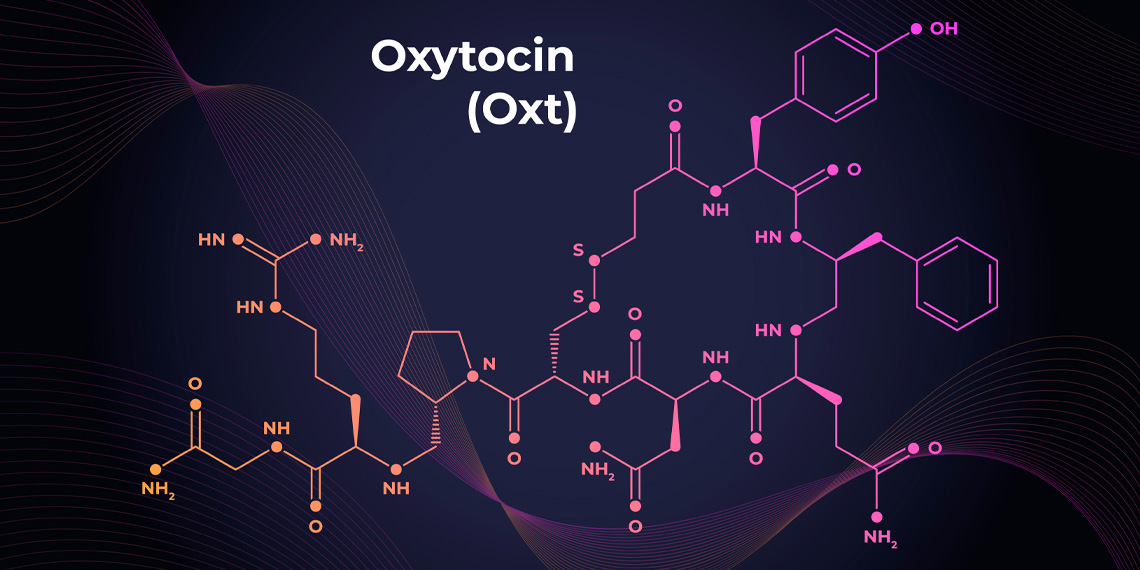
A recent study explored the potential of the body's oxytocin system as a biological risk factor for Functional Neurological Disorder, a condition that affects physical sensations and can be linked to childhood trauma. Natascha Stoffel, a researcher at the University of Fribourg in Switzerland, led the investigation. The team analyzed data from 89 adults, including 41 patients with Functional Neurological Disorder and 48 healthy control participants.
Genetic variations in the oxytocin receptor gene, epigenetic changes, and circulating oxytocin levels were measured. While genetic and epigenetic markers did not differ between patients and controls, elevated oxytocin levels in saliva were found in patients carrying a specific oxytocin receptor gene variant. This suggests a vulnerability factor causing abnormal oxytocin release in response to daily stress.
When combined with genetic and epigenetic data, the biological markers did not improve models predicting patients' interoceptive abilities, which refers to the brain's capacity to sense and process internal bodily signals. However, when combined with childhood trauma self-reported scores, the biological markers did enhance the models.
Specifically, higher methylation at a particular oxytocin receptor gene region was linked to lower reported trauma scores. The study had limitations due to its small sample size, but the researchers noted that their findings suggest the oxytocin system could be involved in the interplay of genetics, epigenetics, and environmental factors in Functional Neurological Disorder.
Written by urgent.news from PsyPost's reporting — not their text. Machine-written — may contain errors; check the original before relying on it.