Railcar Market: Fleet Shrinks as Demand Rises (2026 Outlook)
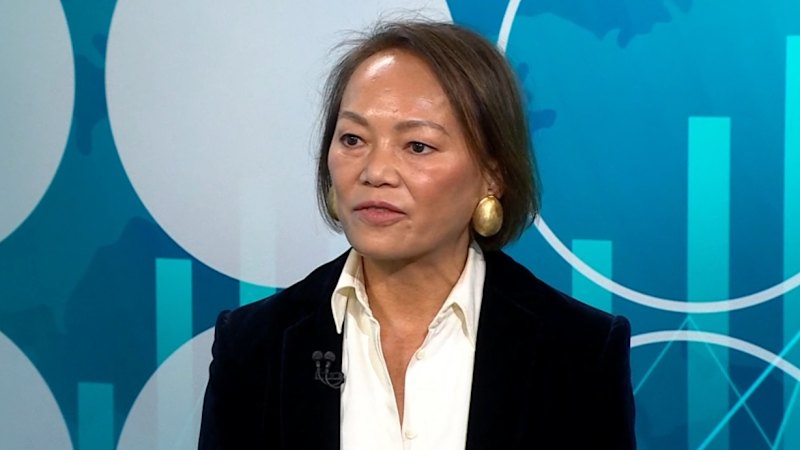
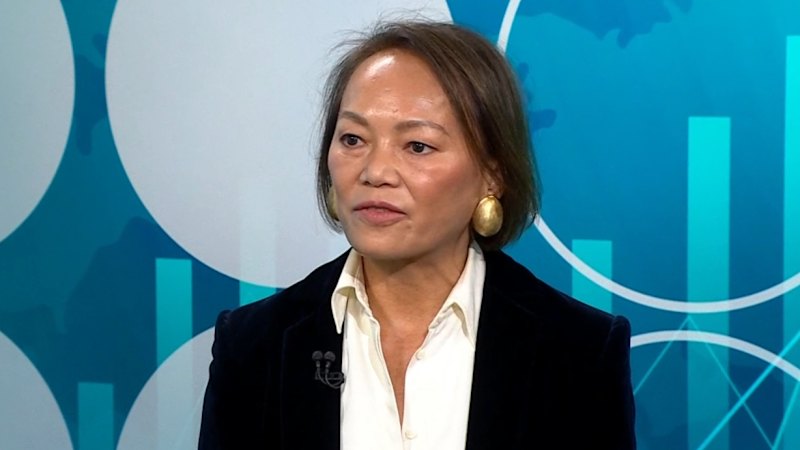
The North American railcar market faces growing uncertainty, with fleets shrinking despite healthy carload volumes. Eric Marchetto, EVP & CFO of Trinity Industries, breaks down why current build rates are below replacement levels, leading to a tighter market. Learn how tariffs, interest rates, and a surprising trade complaint are impacting fleet planning decisions and what […] The post Railcar…

The North American railcar market is contracting as freight demand strengthens, leading to a shortage of fleets, according to Eric Marchetto, EVP & CFO of Trinity Industries. The industry is on track to build around 25,000 railcars this year while scrapping over 35,000, creating a net deficit. Slow train speeds and longer dwell times are exacerbating the tight market.
Tariff uncertainty is a major factor in stalling fleet decisions, as policies have changed nearly every week, making it difficult for industrial shippers to plan capital expenditures. Section 232 steel tariffs have driven up the cost of hot-rolled coil and steel plate, critical inputs for tank car production. Union Tank Car, the largest tank car owner, filed a trade complaint against Mexican-built tank cars, which could raise car prices and intensify inflationary pressures on industrial shippers.
Chemicals, Trinity's largest sector, were essentially flat at a -0.1% year-over-year decline, while coal saw a rare weekly gain but remains down 3.3% for the year. This is likely due to utilities rebuilding winter stockpiles as natural gas prices rise. Looking ahead to 2026, Marchetto is monitoring a broader industrial recovery beyond data-center-driven demand, with a focus on chemical traffic and broad-based manufacturing growth.
Surface Transportation Board data shows manifest on-time performance above 85% for Class 1 railroads in late September, indicating encouraging service predictability.
Written by urgent.news from FreightWaves's reporting — not their text. Machine-written — may contain errors; check the original before relying on it.