Policy loans open new paths for people rebuilding their lives
Policy lending is giving former prisoners opportunities to create jobs rebuild livelihoods and reintegrate into society under new rules
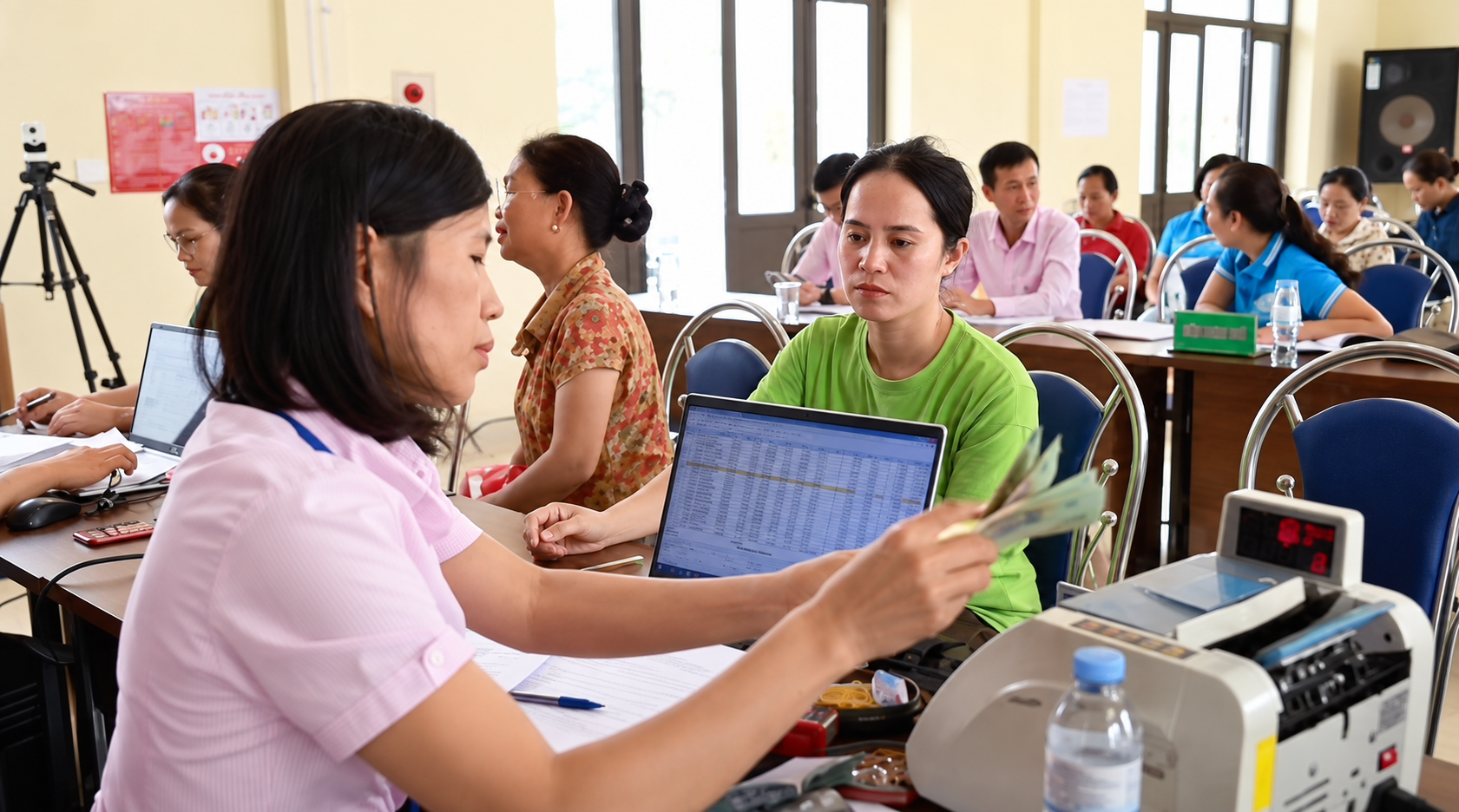
After serving their sentences, people in Vietnam are finding new opportunities to rebuild their lives through timely access to capital. Known as policy loans, these financial tools have expanded since their implementation three years ago. The program, initiated by the Vietnam Bank for Social Policies (VBSP), aims to help ex-prisoners create jobs, stabilise their lives, and make a fresh start.
Despite social stigma limiting employment opportunities, some individuals, such as VBSP resident Nguyen Hong Thanh, have successfully utilized these loans to start businesses. Thanh and his wife raised livestock, renovated their home, and built a stable income, enabling their children's education and increasing their confidence in the future.
Phan Thi Tan and her husband, from Hanoi's Doai Phuong commune, invested in refrigerators and cooling equipment, becoming agents for ice cream and milk sales. They expect to repay their $4,000 loan within three years while saving for future reserves. The loan repayment schedule is tailored to each borrower's capacity, ensuring financial responsibility.
Since August 17, 2023, over 17,600 borrowers have received loans exceeding $61.2 million under Decision No.22/2023/QD-TTg. Recently, Deputy Prime Minister Nguyen Van Thang signed Decision No.44/2026/QD-TTg, amending and supplementing the programme to include loans for vocational training, production, business activities, job creation, and overseas employment.
Eligibility requirements were expanded, and loan limits increased, allowing borrowers to apply for loans up to 10 years after completing their sentences. The program has also facilitated the employment of ex-prisoners in production and business establishments, with loan limits for such projects expanded significantly. Overall, policy loans have proven vital in providing people with a history of incarceration with the means to create jobs, build livelihoods, and stabilise their lives, ultimately contributing to sustainable economic development at the grassroots level.
Rewritten by urgent.news; may contain errors — check the original.