PBAPP plans hybrid strategy to reduce Penang's reliance on Sungai Muda
GEORGE TOWN: The Penang Water Supply Corporation (PBAPP) is planning a hybrid water solution for the 2030s to reduce its over-reliance on Sungai Muda.
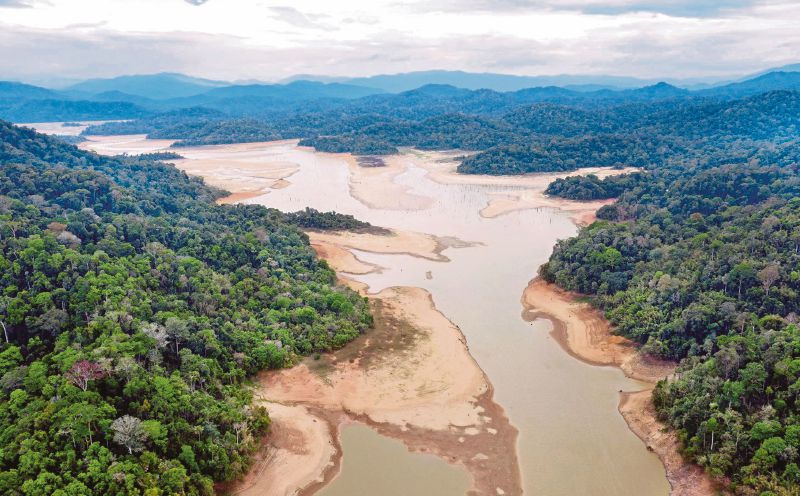
George Town, Penang - The Penang Water Supply Corporation (PBAPP) is formulating a hybrid water strategy for the 2030s, aiming to reduce the territory's excessive dependence on Sungai Muda. The idea was unveiled during an event for overseas water consumers, highlighting Penang's evolving water security framework. PBAPP's CEO, Datuk K. Pathmanathan, noted that Sungai Muda, currently providing more than 80% of treated water via Sungai Dua Water Treatment Plant, cannot remain the sole source.
The proposed 2030s hybrid solution includes three key components: the Perak-Penang Water Project, desalination plants, and the Off-River Storage Scheme (ORSS).
The Perak-Penang Water Project aims to deliver 300 to 500 million liters per day by tapping into an additional major water source. A conditional agreement between PBAPP and Perak's water utility firm secures this arrangement from 2032 to 2072. Meanwhile, desalination projects are set up in strategic locations to generate 200 to 300 MLD, supporting growth in Seberang Prai Selatan and Seberang Prai Tengah while addressing climate change impacts.
The ORSS, a 2,000 MLD facility at Sungai Muda, functions as a 24- to 36-hour reserve to counter pollution or drawdown emergencies.
Concerns about Sungai Muda have grown due to Kedah's 5 Seasons, 2 Years rice planting schedule, which heightens upstream withdrawals and caused Muda Dam to reach critical levels recently. Before implementing the hybrid model, PBAPP must complete the existing Water Contingency Plan 2030 (WCP 2030), a process requiring significant financial and time investments.
Pathmanathan highlighted rapid industrial and economic growth, including major investments at Silicon Island A, Batu Kawan Industrial Park 3, and Andaman Island, as factors fueling future demand. Projections show Penang's water consumption will increase by 34.3% from 865 MLD in 2025 to at least 1,162 MLD by 2032.
Rewritten by urgent.news; may contain errors — check the original.