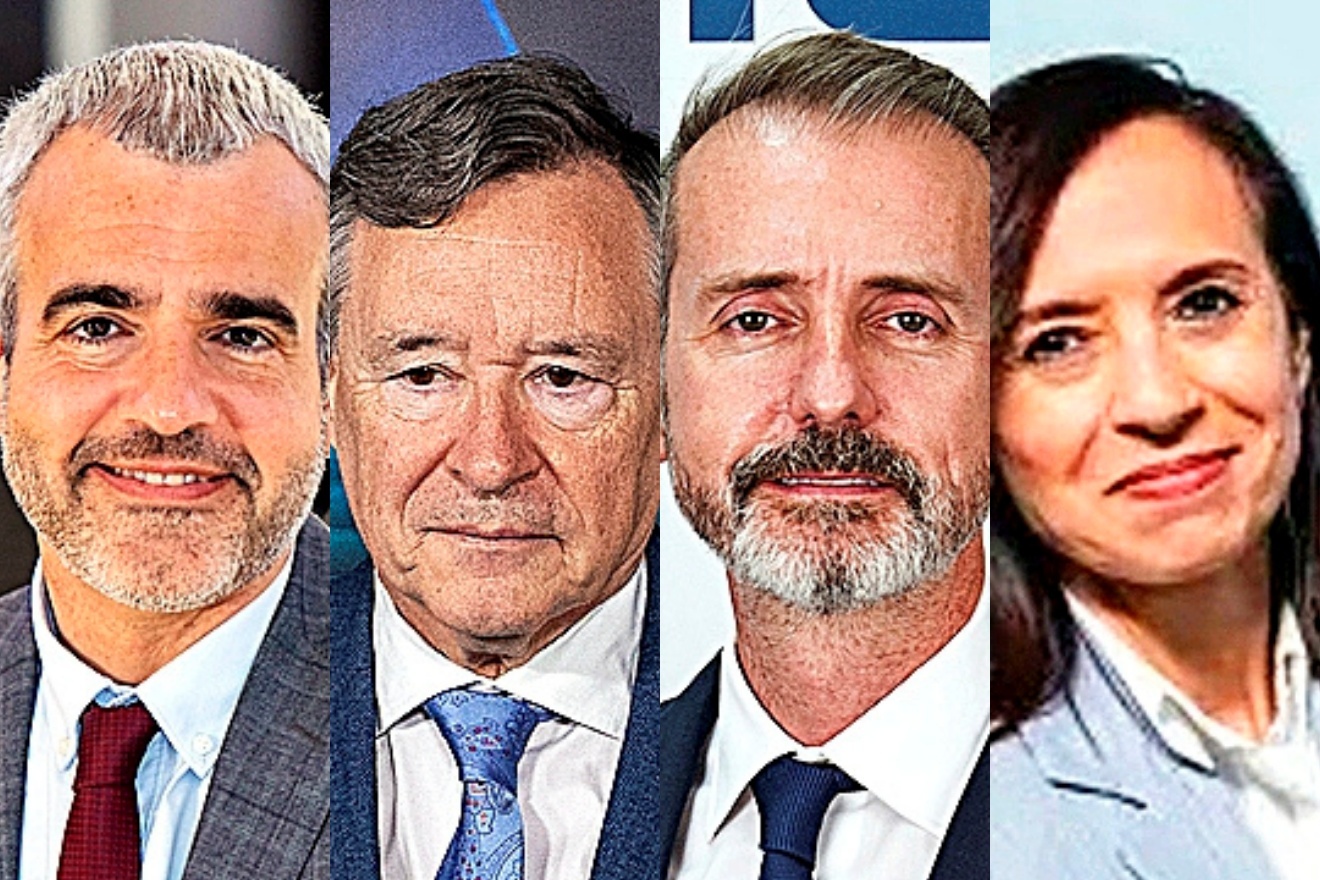
Oliu consigue su escudo anti-opas hostiles
El presidente de Sabadell ya tiene el núcleo duro que anhelaba desde que fracasó la opa hostil de BBVA, hace ahora un año. Y del que carecía desde hace ya ocho años, cuando se disolvió el bloque de grandes empresarios catalanes Famol, del que formaban parte Isak Andic (Mango), José Manuel Lara (Planeta), Joaquim Folch-Rusiñol (Pinturas Titán) y el propio Oliu. Leer
Oliu has secured his anti-hostile takeover shield, having finally acquired the core elements he desired after the failed hostile takeover attempt by BBVA a year ago. This comes after eight long years, when the bloc of prominent Catalan entrepreneurs, Famol, dissolved, from which Isak Andic (Mango), Jos� Manuel Lara (Planeta), Joaquim Folch-Rusi�ol (Pinturas Tit�n) and Oliu previously belonged.
Securing an international bank, with aspirations to be a companion on some business ventures, is usually a lengthy process that coincidentally arrived as Sabadell began to feel the pressure from BBVA. Rumors of imminent operations resurfaced 24 hours prior, as a government more favorable to corporate operations potentially approached Moncloa.
BPCE, the owner of Natixis, could potentially gain 9.9% of Sabadell's capital, complementing Zurich's 4.95% stake acquired during BBVA's offensive. This combination forms a block that may be sufficient to protect Sabadell from hostile takeovers in the immediate future. It's worth noting that Sabadell is unique in the listed banking sector, with around 40% of its capital held by small shareholders, most of whom are small entrepreneurs.
An additional 30% of this 40% consists of current bank clients. This distinctive feature, combined with the low price BBVA offered, was crucial in breaking the earlier hostile takeover attempt. BPCE's gains from this agreement are not as straightforward. For a bank to enter another's capital, it incurs costs, but in BPCE's case, it doesn't have to meet high requirements since it doesn't trade on the stock exchange.
This move enables BPCE to establish a foothold in Spain through a participation that can come in handy when the boardroom tables are stirred again for future mergers. Oliu's obsession with a reference block of shareholders has followed him throughout his career as a commercial banker. He traveled extensively across Europe months before Sabadell went public (2001) in search of investors willing to take a 30% stake and reduce his vulnerability.
At that time, the entity was still small. BPCE initially backed out, leading to a subsequent agreement with Portuguese bank BCP, which entered with a 8.5% stake. Meanwhile, Sabadell acquired a 5.3% stake in Portugal's Novo Banco. Both parties created Activobank, which later expanded with the acquisition of Ibersecurities broker.
Sabadell also signed an agreement with La Caixa, which at the time still held the savings bank's juridical form. The Catalan entity acquired a 15% stake through a capital increase, paying with control of Herrero, an Asturian bank. La Caixa was an unwanted shareholder due to its desire for influence. The Spanish Bank halted its attempt to appoint two directors in Sabadell.
In the summer of 2006, Oliu began selling quickly, seeking a countermove to counteract the situation. He found it among Catalonia's elite business community to shield 5% of capital that would join his personal investment. Oliu has had a significant portion of his wealth tied to Sabadell shares for years. Currently, he holds over eight million shares.
Written by urgent.news from Expansion ES's reporting — not their text. Machine-written — may contain errors; check the original before relying on it.