Oil's new problem is logistics
A lot more crude is getting through the Strait of Hormuz. So why is Brent still trading above $100 per barrel?
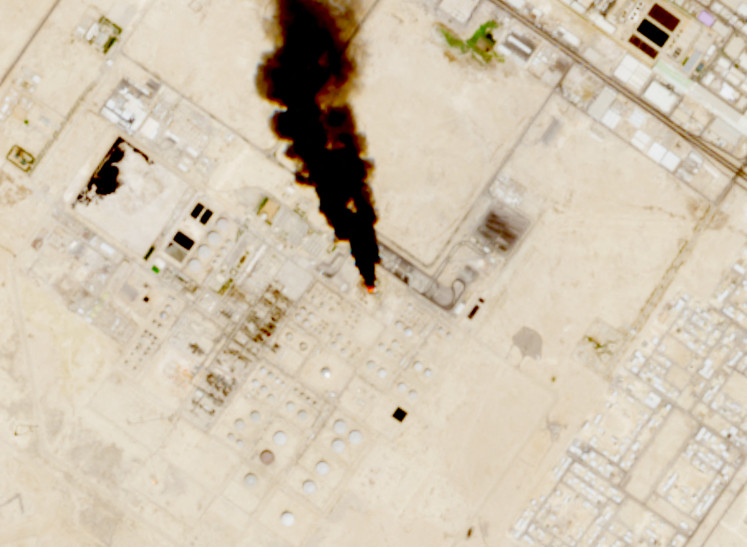
The global oil industry has long functioned like a well-oiled machine, moving vast amounts of crude and fuels across the world at the lowest possible cost. However, recent conflicts in the Middle East and Eastern Europe have disrupted this model, causing a host of new problems that continue to impact oil prices.
Following the war between the United States and Israel, Iran blockaded the Strait of Hormuz. In response, Gulf producers began using alternative routes, while buyers sought barrels from more distant regions and governments released oil from strategic reserves. One notable change was Saudi Arabia diverting its exports through an East-West pipeline that delivers crude to the Red Sea port of Yanbu.
For a time, Saudi Arabia used this pipeline to export 4 percent of global oil supplies. However, Iranian-backed Iraqi militias attacked the pipeline in early September, forcing Saudi Arabia to redirect exports back to Hormuz. Despite this, Saudi exports through Hormuz rose to 3 million barrels per day (bpd) in September, the highest level during the conflict.
While Saudi Arabia's exports to Hormuz could quickly return to prewar levels, the attack may have weakened Tehran's most significant leverage – its control over the Strait. The recovery remains fragile, but Iran's blockade contributed to a significant reduction in the global oil deficit. Energy Aspects estimates the market now faces a shortfall of around 1.6 million bpd, down from 4 million bpd during peak disruption in May.
Normally, such an improvement in supply would put downward pressure on prices. However, Brent crude remains above $100 per barrel, more than 40 percent above prewar levels. Prices reflect a substantial risk premium due to the possibility of renewed escalation between Washington and Tehran. Additionally, increased freight and insurance costs have become major price drivers, with tanker rates reaching record highs.
Diesel prices have also surged to record highs, causing concern for US President Donald Trump ahead of the midterm elections. The Group of Seven's decision to release diesel from strategic stocks will likely provide only temporary relief, as it doesn't address lost refining capacity.
Refiners are also competing for medium-sour crude, further straining the energy supply chain. These persistent problems suggest that even if the crude supply squeeze eases, persistently high energy bills may continue for months, if not years.
Rewritten by urgent.news; may contain errors — check the original.
This story
This is one outlet's version. Read the fullest account.
- Oil's new problem is logistics thejakartapost.com