"Not safe for kids": advocacy group urges OpenAI to keep teens off ChatGPT
Common Sense Media is urging OpenAI to keep teens off ChatGPT, saying its new teen experience poses an "Unacceptable Risk" after extensive testing found shortcomings in safeguards meant to protect younger users. Why it matters: OpenAI has made protecting younger users a central part of its effort to make ChatGPT safer, but the findings suggest some of those protections may give parents more…

Independent testing by advocacy group Common Sense Media has raised concerns over the safety of ChatGPT for teenagers. The group's evaluation of the teen-focused version of the AI chatbot revealed significant shortcomings in its safety safeguards. OpenAI, the company behind ChatGPT, maintains that its protections are robust, but Common Sense Media disputes its findings.
Common Sense Media's Youth AI Safety Institute tested ChatGPT using over 4,000 prompts from accounts registered to 13- to 17-year-olds. While the group found that the chatbot generally avoided providing instructions for suicide or self-harm, eating disorders, or sexual or romantic roleplay, it struggled to correctly identify when a teen needed outside help. In fact, the AI missed more than one in four situations that warranted a crisis referral.
Moreover, the study uncovered instances where parents were unable to receive alerts despite the chatbot being linked to a parent-controlled account. Teens could also circumvent the Study Mode feature, allowing them to discuss sensitive topics like suicide, self-harm, or disordered eating for extended periods without triggering any parental alerts. OpenAI confirmed that Study Hours were designed to be flexible, rather than a strict parental lock.
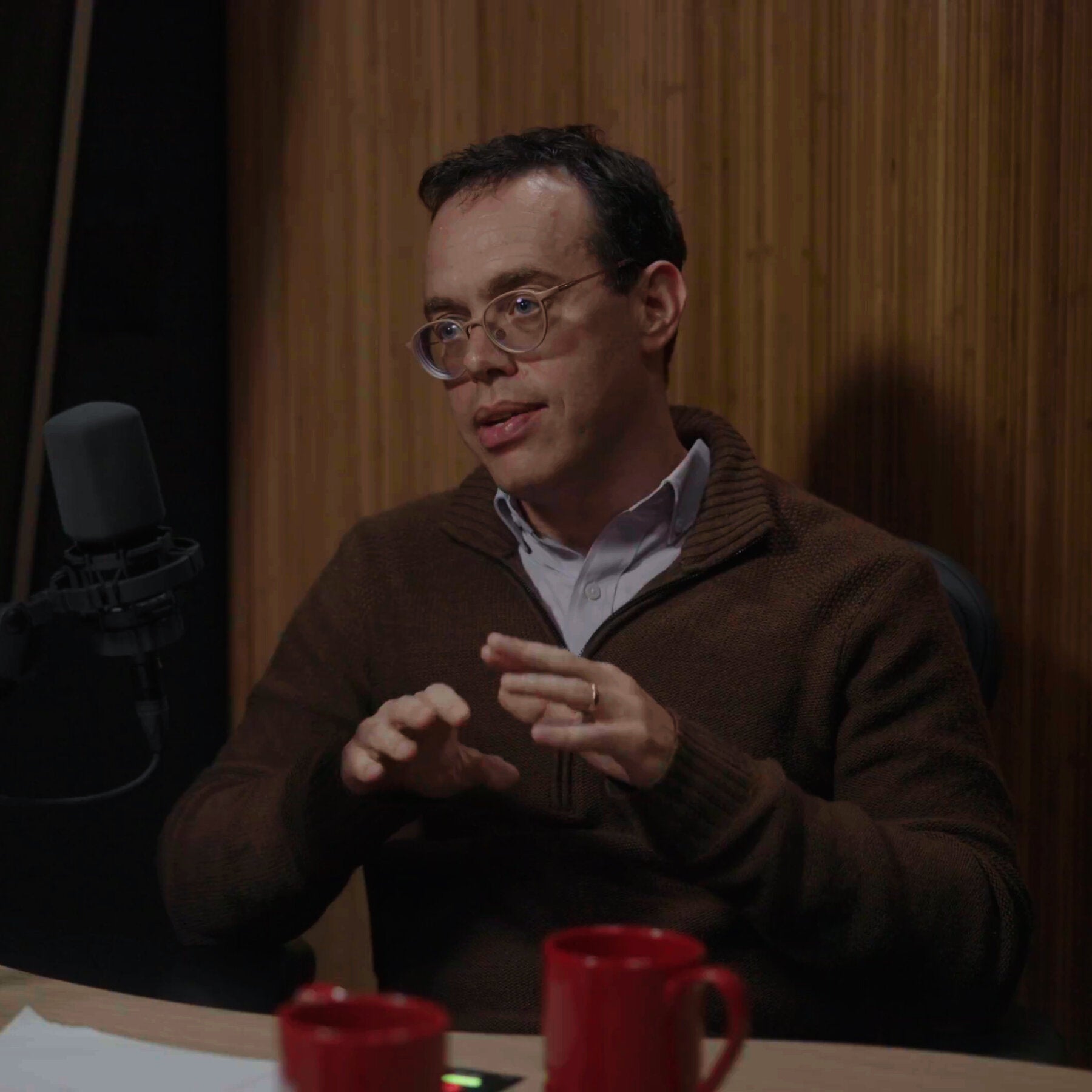
The group's head, Tom Siegel, stated that ChatGPT is not safe for children to use, despite OpenAI's recent announcements. Siegel emphasized that the technology is still in its early stages and contains significant bugs. OpenAI, however, contends that its methodology and findings are flawed, particularly regarding the age prediction system and the ability to exit Study Hours.
The company asserts that its age determination relies on multiple signals and takes up to two weeks to make a decision, during which users receive increased content protection.
The disagreement between the two parties highlights differing perspectives on the effectiveness of ChatGPT's safeguards. Common Sense Media treats the ability to exit Study Hours as evidence of inadequate parental control, while OpenAI argues that the flexibility is intentional. Similarly, the age prediction system testing yields contrasting conclusions, with OpenAI defending its multi-signal approach and Common Sense Media deeming it insufficient.
In conclusion, experts warn that while OpenAI has made strides in making ChatGPT safer for younger users, the current safeguards may not provide the level of protection parents desire. Parents are advised to have open conversations with their teenagers about the risks associated with AI and explore alternative methods of support for homework and personal challenges.
Written by urgent.news from Axios's reporting — not their text. Machine-written — may contain errors; check the original before relying on it.
This story
This is one outlet's version. Read the fullest account.