Norway’s proposed moratorium on smart glasses | Explained
Norway is taking the lead as its government prepares a proposal seeking a temporary ban on smart glasses in select public and sensitive locations
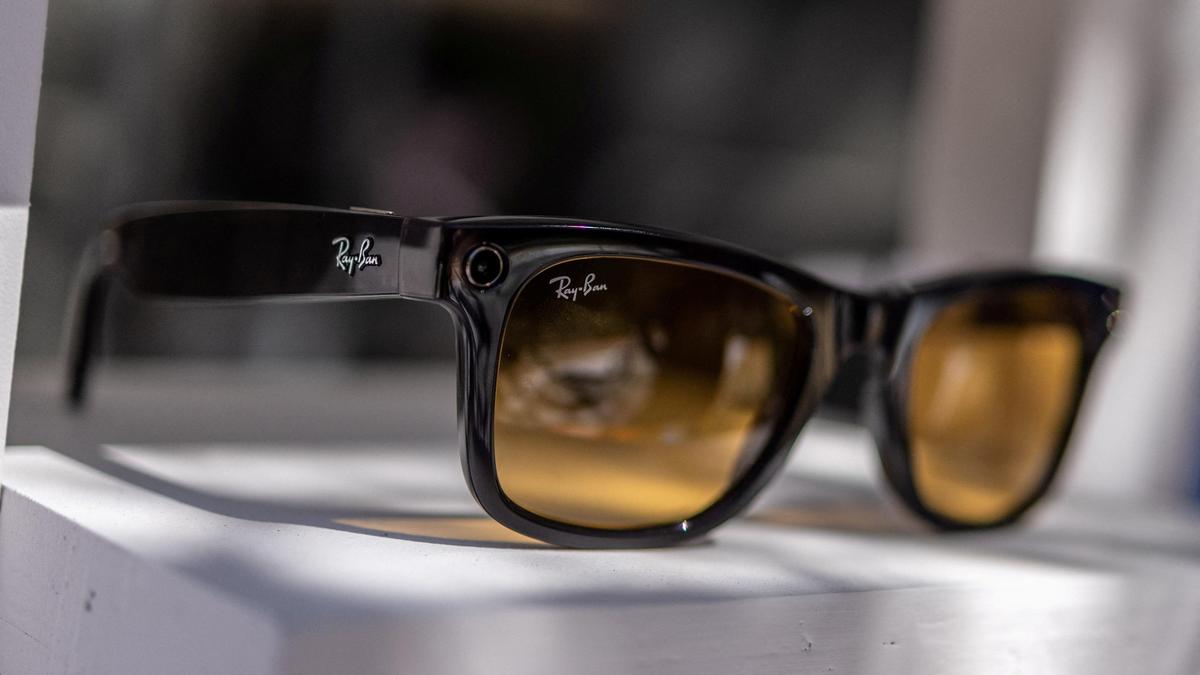
European regulators, led by Norway, are considering a temporary ban on smart glasses in public spaces where privacy is expected. This proposed regulation aims to address privacy risks associated with the wearables, which can record high-definition visuals and ambient sounds without clear indication to bystanders. The primary concern lies in the lack of consent from individuals being recorded, particularly in sensitive locations such as schools, playgrounds, healthcare facilities, and fitness centers.
Norway's government seeks expert committee input to develop lasting legal frameworks, while Oslo has already implemented bans in municipal schools. Privacy advocates argue that hardware safeguards, such as LED indicators and audible alerts, are insufficient for full bystander protection, especially in bright or crowded environments.
Manufacturers are developing technical countermeasures, including larger, brighter LEDs and louder audio signals, as well as AI-driven features to redact bystander identities. However, the commercial impact of smart glasses could be significant if usage is restricted, as they are designed for seamless integration into daily public life.
Rewritten by urgent.news; may contain errors — check the original.