Nobel Prize 2026: How JNU scientist Suneel Kateriya helped lay the groundwork for optogenetics
JNU professor Suneel Kateriya identified two light-sensing genes in a single-celled alga during his PhD in Germany. More than two decades later, the discovery forms part of the scientific foundation behind optogenetics, the technology recognised by the 2026 Nobel Prize in Physiology or Medicine.
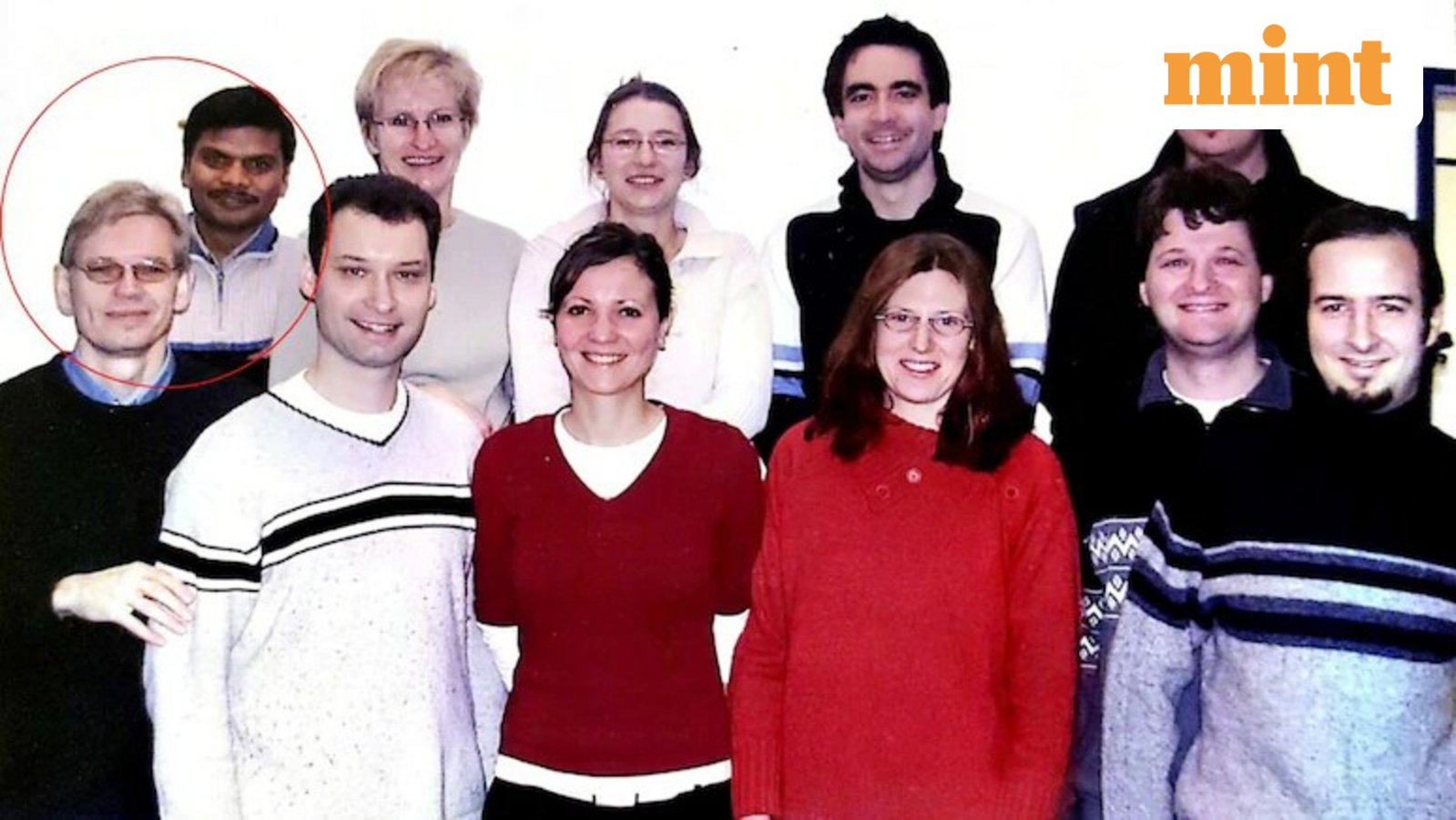
In 2001, Indian scientist Suneel Kateriya was conducting research in Professor Peter Hegemann's laboratory in Regensburg, Germany. During his doctoral work, Kateriya identified two light-sensing proteins in the single-celled freshwater alga Chlamydomonas. These proteins were later named channelrhodopsin-1 and channelrhodopsin-2.
Kateriya's discovery of these proteins laid the foundation for the development of optogenetics, a technique that enables precise control of specific cells using light. Optogenetics involves introducing light-sensitive proteins into neurons, allowing researchers to manipulate the electrical activity of those cells with light. This breakthrough has revolutionized neuroscience research, enabling scientists to study neural circuits more accurately and link specific neurons to behavior.
Optogenetics faces challenges such as effective gene delivery, long-term safety, precise cell targeting, and light intensity suitable for clinical applications. Despite these challenges, optogenetics holds great potential for targeted control of cells in various neurological conditions. Suneel Kateriya, now a professor at Jawaharlal Nehru University (JNU), views his contribution as part of a larger collaborative effort.
The Nobel Prize in Physiology or Medicine for 2026 was awarded to Karl Deisseroth, Peter Hegemann, and Georg Nagel for their discovery of light-gated ion channels and the development of optogenetics.
Written by urgent.news from Live Mint's reporting — not their text. Machine-written — may contain errors; check the original before relying on it.