More RBI rate hikes loading? Decoding what Malhotra's 'caliberated tightening' stance means
The Reserve Bank of India has increased the repo rate to 5.50% after maintaining it for several months. This shift to a calibrated tightening stance indicates a focus on controlling inflation risks. Retail inflation rose recently, prompting the central bank to adjust its policy outlook for the future. While growth remains firm, inflation now takes priority in decision-making.
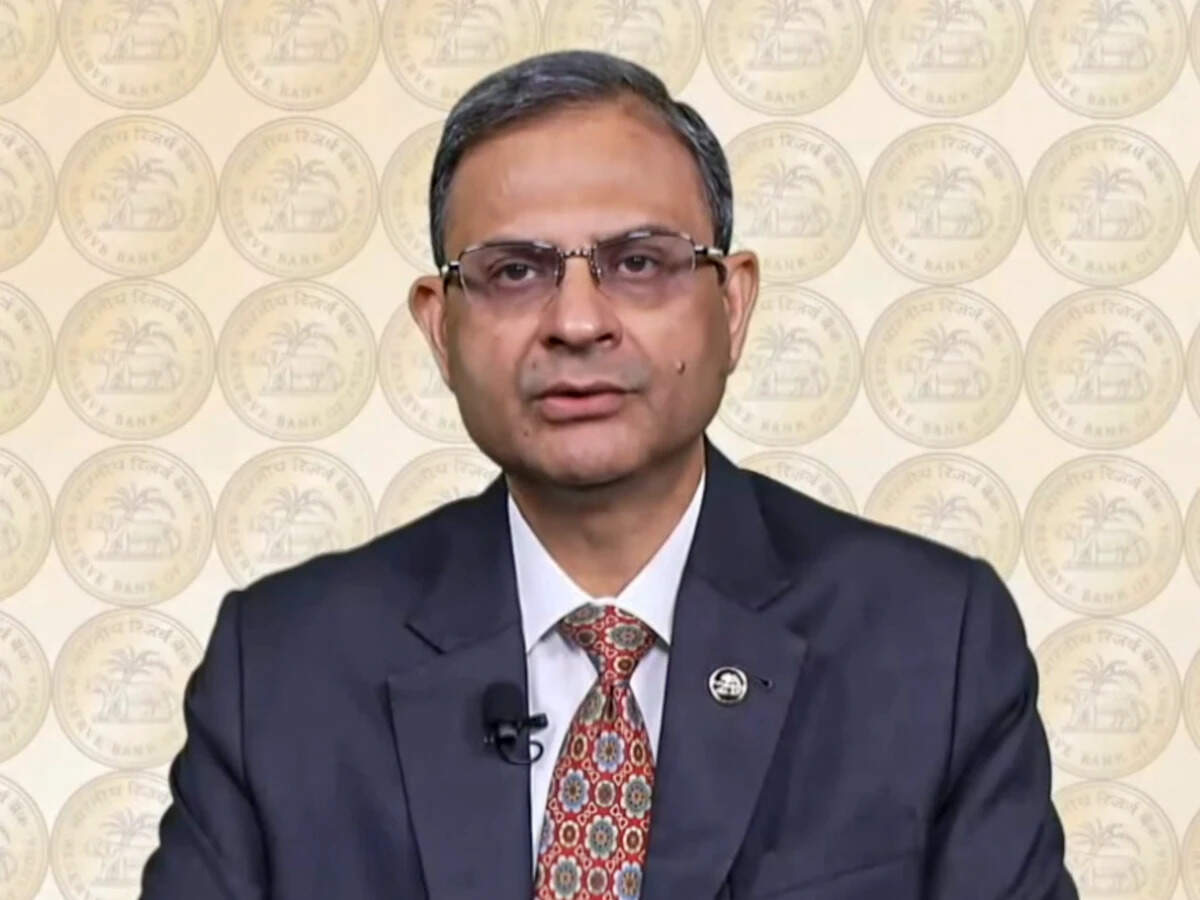
The Reserve Bank of India (RBI) has raised the repo rate by a modest 25 basis points to 5.50% during a policy review held on Wednesday, marking a shift from its previous stance of keeping rates unchanged. This move comes as part of the central bank's "calibrated tightening" approach, signaling that further rate hikes may be on the horizon if inflation remains persistent. The RBI Governor, Sanjay Malhotra, has emphasized that rate cuts are no longer on the table, focusing instead on curbing inflation risks.
The decision to raise rates was largely anticipated by market participants, but the shift in the RBI's stance towards "calibrated tightening" is seen as a more significant development. This change indicates that inflation risks are now being given greater priority in the central bank's policy considerations. Factors such as elevated crude prices, weather-related risks, and the government's GDP growth of 7.8% in Q1 FY27 suggest that the economy can withstand a modest tightening in financial conditions.
The RBI has also raised its inflation forecast for the fiscal year 2026-27, now projecting inflation at 5.2% compared to the earlier estimate of 5.1%. The central bank expects inflation to average around 5.8% over the next three quarters, with core inflation anticipated at 4.4% by the end of FY27. Despite these inflationary pressures, the RBI remains optimistic about the economy's growth potential, projecting a real GDP growth rate of 7.1% for the fiscal year 2026-27, an improvement from the previous forecast of 6.7%.
Written by urgent.news from The Economic Times - Economy's reporting — not their text. Machine-written — may contain errors; check the original before relying on it.