Medienbericht: SpaceX will offenbar für 40 Milliarden Dollar KI-Chips von Nvidia kaufen
SpaceX gehört laut der „Financial Times“ zu den Unternehmen, die Nvidias Finanzierungsplattform in Anspruch nehmen wollen. Rund 40 Milliarden sollen über den Vermögensverwalter Apollo fließen.
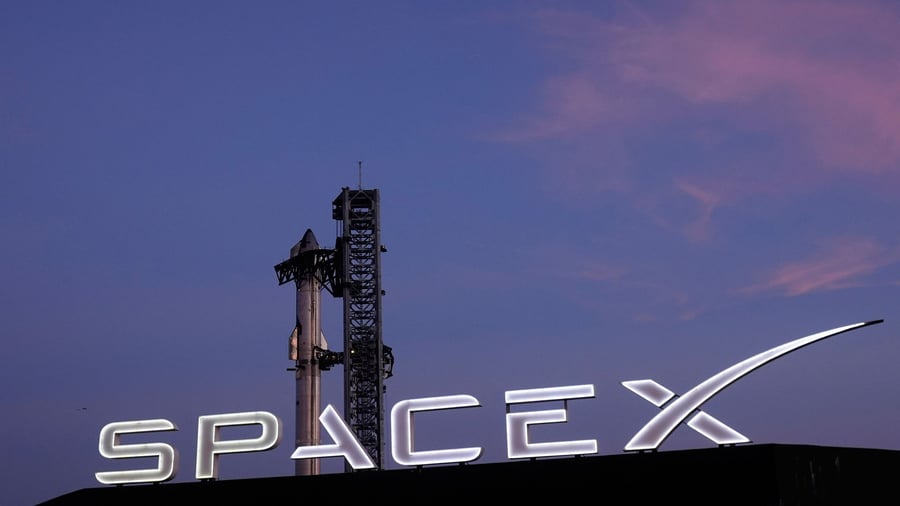
Elon Musk's space exploration company, SpaceX, is reportedly planning to spend 40 billion dollars to purchase AI chips from chipmaker Nvidia, according to a media report. The company aims to raise roughly ten billion dollars in bank loans and thirty billion dollars through bonds, the Financial Times reported on Tuesday, citing multiple sources.
The financing is led by asset manager Apollo, with investment firm Pimco also involved. The transaction is expected to be finalized by 2027. Statements from the mentioned companies were not immediately available, and Pimco declined to comment. This ambitious plan highlights the massive capital requirement of the AI boom, with tech giants engaging in a race for advanced processors and the necessary computing capacity.
In a previous announcement last month, Musk stated his desire to significantly increase the number of Nvidia's chips used by his AI company, xAI. Nvidia, the leading provider of AI processors, had launched financing platforms with partners like Apollo and BlackRock in August to mobilize over 500 billion dollars for AI infrastructure projects.
Written by urgent.news from Handelsblatt's reporting — not their text. Machine-written — may contain errors; check the original before relying on it.