Managing Semiconductor Supply Chain Volatility: Logistics And Security Strategies For Indian Businesses
Introduction: Why Semiconductor Supply Chains Matter Semiconductors are in almost every product that matters to modern life. The smartphone in a person's pocket, the car they drive, the medical device monitoring their health, the telecommunications network connecting them- all of these depend on chips made in a small number of fabs concentrated in a small number of countries. For Indian…
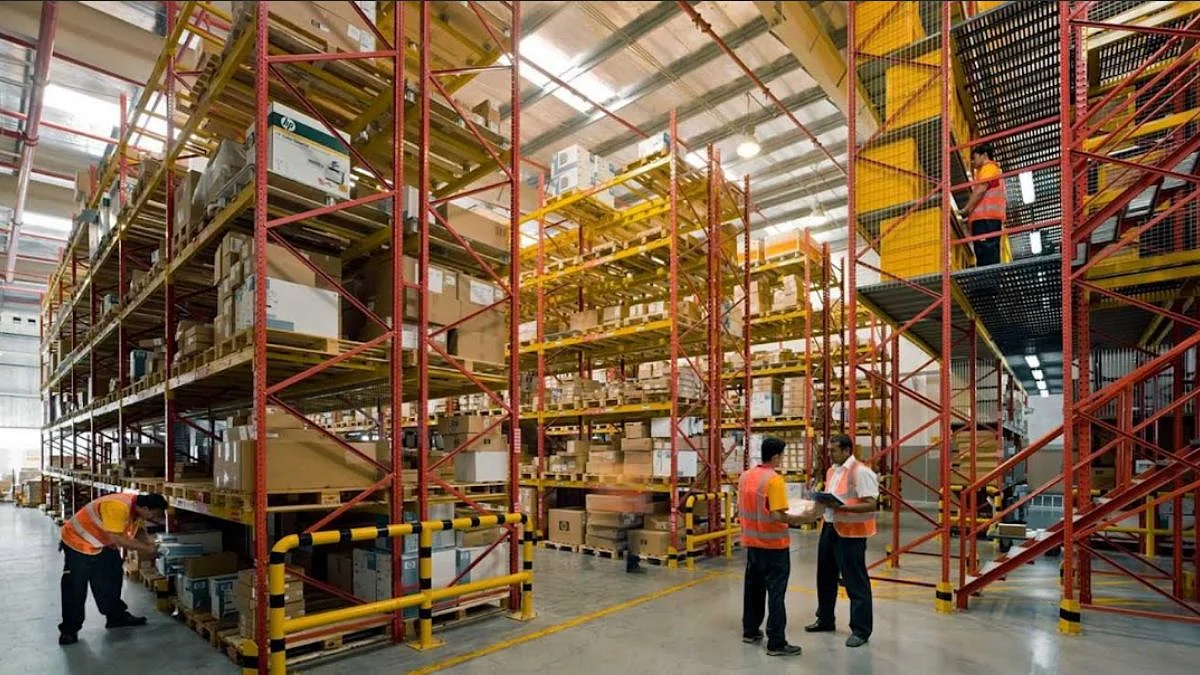
Semiconductor supply chains are critical to modern-day products, from smartphones to medical devices. The majority of chip production is concentrated in a few regions, making the global supply chain vulnerable to geopolitical tensions or natural disasters. Indian businesses that manufacture or assemble these products must actively manage this vulnerability.
The factors driving volatility in the supply chain are structural, not temporary. Concentration of manufacturing in Taiwan and South Korea means that geopolitical tensions or natural events in these regions have immediate global consequences. Demand fluctuations across industries cause cycles of shortages and oversupply that are difficult to predict. Transportation disruptions, such as port congestion or customs delays, add lead time variability to the already uncertain production process.
Logistics play a crucial role in moving semiconductors from manufacturers to end-users. Chips are high-value, temperature-sensitive, and in some cases, export-controlled. This requires special handling requirements beyond those of most industrial goods. Visibility into shipments, from origin to customs and final delivery, is essential for production planning.
Managing risks in semiconductor logistics involves addressing transportation delays, customs clearance, cargo security, and capacity availability. Proactive shipment tracking, multiple logistics relationships, familiarity with customs requirements, and secure handling protocols can reduce these risks. End-to-end visibility that includes handling conditions and custody events provides confidence to the receiving manufacturer.
Building a more resilient semiconductor supply chain requires diversification and preparation. Geographic diversification of the supplier base reduces exposure to concentration risks. Inventory planning for critical, long-lead-time components provides a buffer against moderate supply disruptions. Understanding alternative transportation routes and having visibility into the supply chain beyond the immediate supplier allows for faster response to disruptions.
In conclusion, semiconductor supply chain volatility is not something that can be eliminated, but its impact can be reduced through deliberate preparation. Indian businesses that depend on reliable availability of these components must adopt diversified sourcing, reliable logistics partnerships, and proactive risk management strategies.
Written by urgent.news from Free Press Journal's reporting — not their text. Machine-written — may contain errors; check the original before relying on it.