Limits of Satellite Detection of Extreme Carbon Cycle Events
Satellite carbon dioxide observations detect more carbon-cycle extremes than ground stations but still miss many events and underestimate their magnitude.
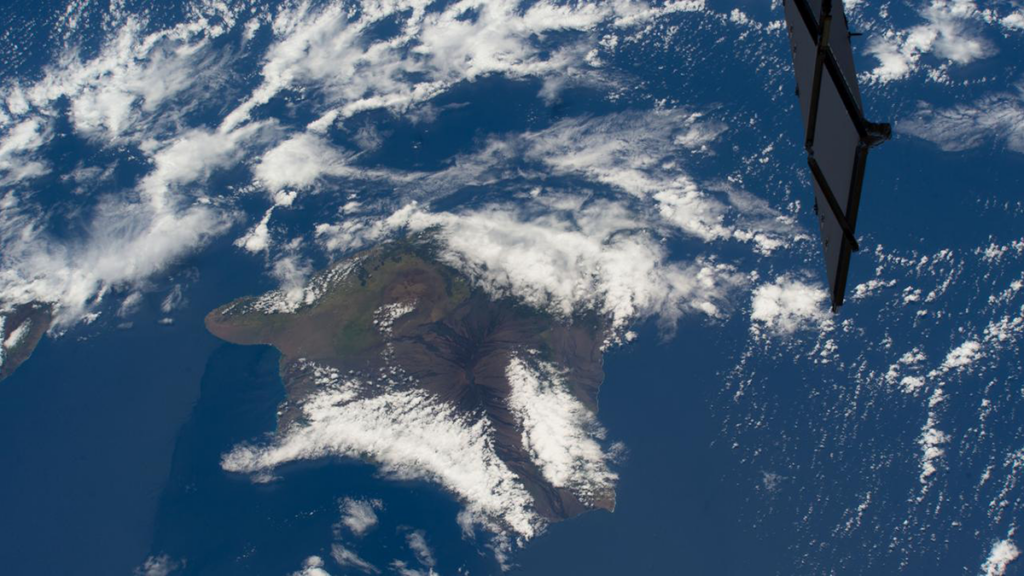
Extreme climate events like droughts, heatwaves, floods, and wildfires can significantly impact the exchange of carbon dioxide (CO2) between plants, soils, and the atmosphere. Researchers Lei et al. [2026] explored how effectively atmospheric CO2 observations can detect these extreme carbon flux events using NASA's Orbiting Carbon Observatory-2 (OCO-2) satellite and ground-based stations.
They used a known "true" carbon flux and simulated OCO-2 satellite data and ground-based observations to determine the extent to which surface flux extremes could be identified.
The study reveals that OCO-2 detects many more extreme events compared to ground stations alone; however, it successfully identifies only around 16% of these extreme locations in realistic conditions. In an idealized, error-free scenario, this figure increases slightly to about half. Moreover, the magnitude of these extreme events is consistently underestimated by the satellite monitoring.
Detection accuracy varies depending on the nature of the event: large and long-lasting hot and dry extremes are more easily detected, while cold and wet extremes are more challenging due to cloud cover often impeding satellite observations.
Furthermore, detection rates are significantly higher in regions with dense satellite coverage, such as the United States, compared to areas with sparse observations, like northern Siberia. This research underscores both the benefits and constraints of satellite-based carbon monitoring in understanding the influence of climate extremes on Earth's carbon cycle. The findings emphasize the necessity for future missions with broader coverage to enhance our comprehension of climate extremes' impact on global carbon dynamics.
Written by urgent.news from Eos's reporting — not their text. Machine-written — may contain errors; check the original before relying on it.