Technofascism, or the radicalization of Silicon Valley
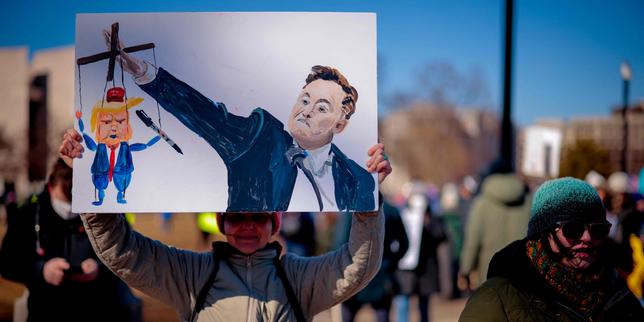
This notion has emerged as a way of grasping the unprecedented nature of the political project that seems to be shaping Donald Trump's second term, while at the same time sparking a conceptual debate among those who use it.
The article explores the rise of seed-strapping, an alternative funding approach for startups that bypasses traditional venture capital and seeks smaller, strategic investments. This tactic has gained traction as venture capital funding dwindles following the 2010s boom and the termination of the zero-interest rate policy.
Katherine Naylor Pullman, founder of Our Third Place, a networking group for women in media, is a prime example of a founder who has embraced this method. The group began as a part-time project and has since grown to 1,800 members across 40 cities. Pullman believes that scaling a community by millions is not feasible and prefers to build by seed-strapping, raising money from family, friends, and members.
Seed-strapping has become more attractive to founders as venture capital becomes less appealing. The shift is also influenced by the growing number of single-person startups, as more entrepreneurs utilize AI agents to automate various tasks. These founders prefer this alternative path to funding, recognizing that more capital can lead to more commitments, expectations, and a loss of control over their company.
According to Caroline Lewis, managing partner at early-stage venture firm Nura Ventures, the rules of funding are being rewritten. She believes that founders can now focus on building a product that customers want, raise some capital, and achieve traction without being bound by the traditional venture capital train.
While seed-strapping is not a new concept, it has gained significant attention amid the challenges faced by founders in raising venture capital. The number of global venture deals has dropped from over 17,000 in the first quarter of 2022 to around 8,500 in the second quarter of 2026. This decline is largely driven by the dominance of AI startups, which have captured at least half of venture funding, with their share of the market reaching 80% at the beginning of this year.
Rewritten by urgent.news; may contain errors — check the original.
This story
This is one outlet's version. Read the fullest account.
- Silicon Valley founders' hottest funding source: the Bank of Best Friends businessinsider.com