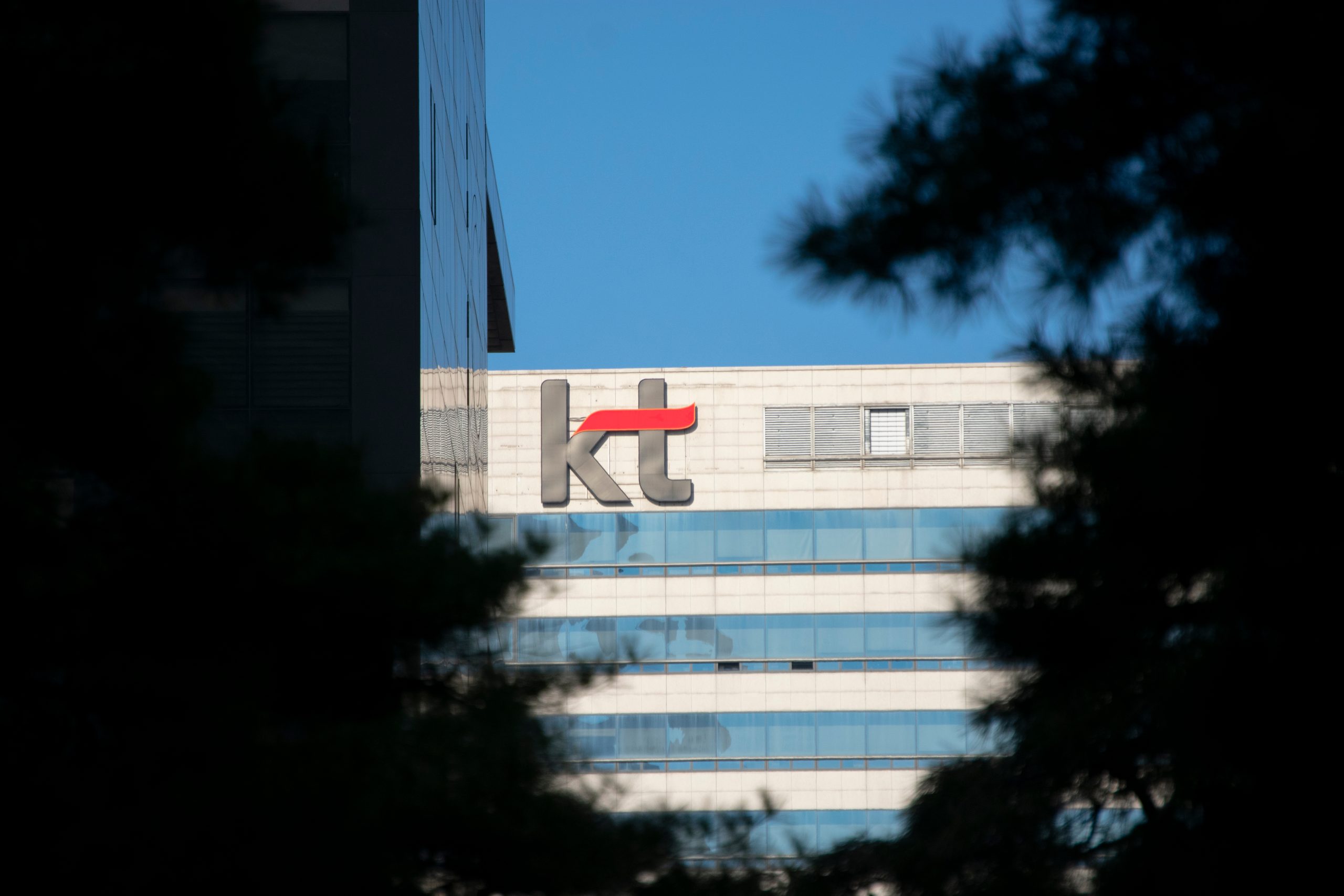
KT Cloud to build 50MW AI data center in South Korea
The facility will include a liquid-cooled AI zone for high-density graphics processing unit servers and separate space for general cloud services.
South Korean banks fell victim to a hack facilitated by an artificial intelligence (AI) agent, signifying a new era in AI and cybersecurity. The breach exposed the personal data of 68,000 individuals, including income and loan information. This marks one of the first instances where AI tools were utilized to undermine prominent financial institutions.
Notably, banks often boast robust security measures compared to other businesses or even some government agencies. The attackers' identities remain unknown, as the breach originated from over two dozen IP addresses across multiple countries, including the U.S. and Japan. The hacking group reportedly employed Artex AI, an open-source tool originally designed as a cybersecurity instrument to uncover vulnerabilities.
However, it has since been revised to discourage malicious use. This incident is a harbinger for banks worldwide, with officials urging South Korean banks to fortify their defenses. AI-powered cyberattacks are on the rise, with 78% of organizations experiencing at least one AI-enhanced attack in the past year, according to a SANS Institute report.
The methods involved were evenly distributed, encompassing phishing, deepfakes, and vulnerability exploitation. As AI tools mature, so do the criminals leveraging them, moving from manually scaling phishing campaigns to autonomously probing defenses, chaining exploits, and adapting mid-attack. Cybersecurity experts emphasize that businesses must adopt an AI-centric approach to anticipate and counter these evolving threats.
Written by urgent.news from Fast Company's reporting — not their text. Machine-written — may contain errors; check the original before relying on it.
This story
This is one outlet's version. Read the fullest account.