Konjunktur: IWF rechnet mit anhaltend hohen Energiepreisen
Die Folgen des Iran-Kriegs sind weltweit spürbar. Neben der Energiekrise heizt auch der KI-Boom die Inflation an. Welche Anliegen hat IWF-Chefin Georgiewa?
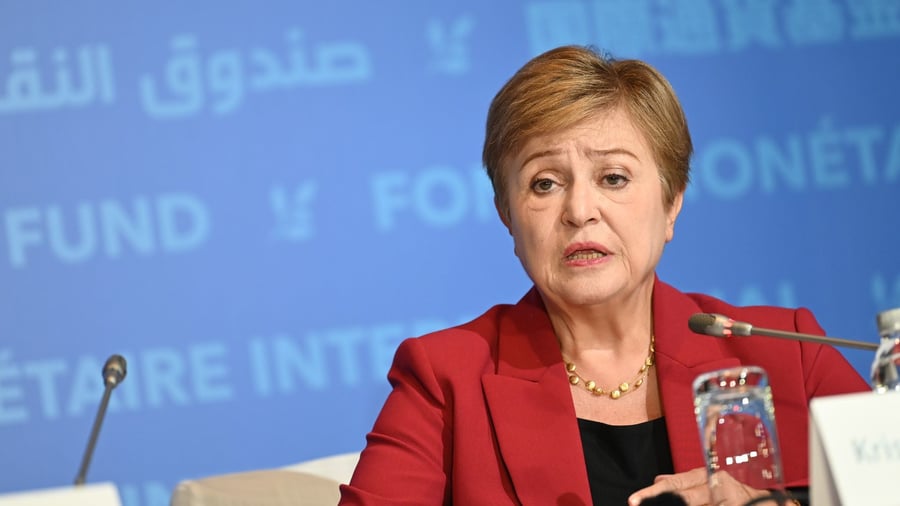
In Singapore, the International Monetary Fund (IMF) predicts that high energy prices stemming from the Iran conflict will persist for some time, according to its chief Kristalina Georgieva. In a speech before the IMF and World Bank's annual gathering in Singapore, Georgieva cautioned that the price pressure could intensify, as demand rises with the onset of cold weather in the Northern Hemisphere and countries replenish their reserves.
Even if the conflict ends soon, the prices are expected to remain elevated until 2027, she added. The IMF meeting commences next week in Bangkok. Besides the energy price challenge and the AI boom, Georgieva highlighted other factors like tariffs, defense spending, and high government debt that are pushing up inflation. "An appropriately restrictive monetary policy stance could be warranted in many countries," she said.
She praised the U.S. Federal Reserve, the European Central Bank (ECB), and the Bank of Japan for already raising their benchmark interest rates. However, she criticized the fiscal policies of certain advanced economies. Higher interest rates increase short-term borrowing costs and erode the value of debts. Despite the global mountain of sovereign debt, Georgieva perceives a lack of decisive action by the heavily indebted advanced economies, even though credible medium-term fiscal consolidation plans are urgently needed.
Written by urgent.news from Handelsblatt's reporting — not their text. Machine-written — may contain errors; check the original before relying on it.