Kabinett: Kabinett beschließt Strafen für sexualisierte Deepfakes
Wer im Netz die Identität anderer missbraucht oder ungefragt in der Sauna filmt, muss künftig mit Haft rechnen. Wie die Bundesregierung Opfer digitaler Gewalt besser schützen will.
The German federal cabinet has approved a draft law presented by Federal Justice Minister Stefanie Hubig (SPD) against digital violence. The bill, which must still be discussed in the Bundestag, creates several new criminal provisions and expands protection against intimate image recordings. The main goals and questions of the planned changes are outlined below.
The German government aims to make the creation of sexualized deepfakes illegal when a person is degraded as a sexual object without their consent, using real or fake image recordings. This objective will be achieved by creating new criminal offenses and facilitating legal enforcement for the affected individuals. The draft law includes new provisions against digital voyeurism, the consumption of rape videos, production and distribution of sexualized deepfakes, identity misuse, and GPS-tracking-based cyberstalking.
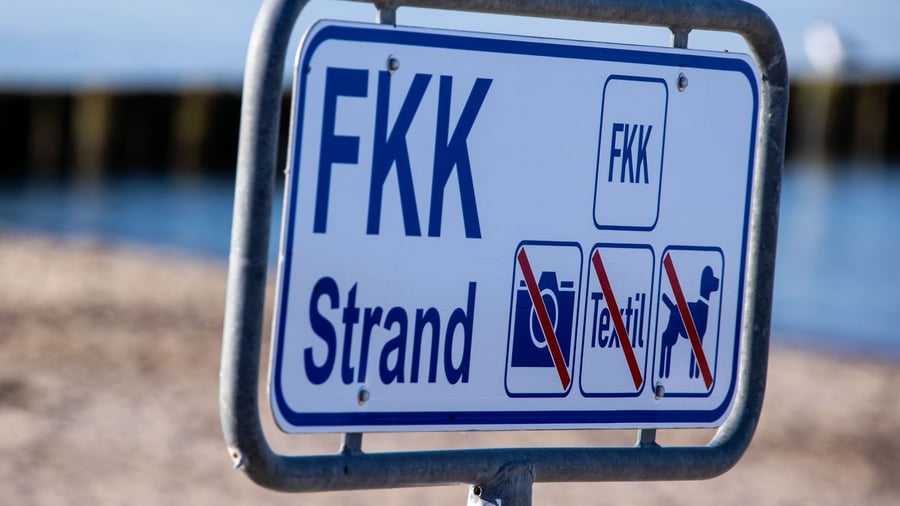
For video recordings of a real rape, individuals who unlawfully acquire, stream, or possess such materials will be punished, including streaming without permanent storage. Up to two years in prison or a fine may be imposed for these crimes. Intimate pictures or videos of unbekleidated genitalia, bare buttocks, or female breasts are prohibited without the subject's consent, even in public places like saunas or FKK beaches.
Explicitly filming a jogger's rear end wearing a stretchy pair of pants or a woman in a sauna without her consent should be expressly forbidden.
Personal rights violations through the creation of fake profiles or accounts in someone else's name will be punishable with up to two years in prison if the content significantly harms the individual's reputation. This can include manipulated images or texts that contradict the individual's previous statements. Identity misuse can already be punishable under other regulations if it involves fraud.
However, deepfakes will not be generally prohibited; they will only be illegal when they depict a specific real person with their private parts or engaging in sexual acts, without the person's knowledge or consent. Even creating a deepfake for personal use will be punishable with a fine or up to two years in prison. GPS-tracking-based cyberstalking will also be punishable, with up to two years in prison or a fine, without specifying the exact device used for tracking.
Written by urgent.news from Handelsblatt's reporting — not their text. Machine-written — may contain errors; check the original before relying on it.