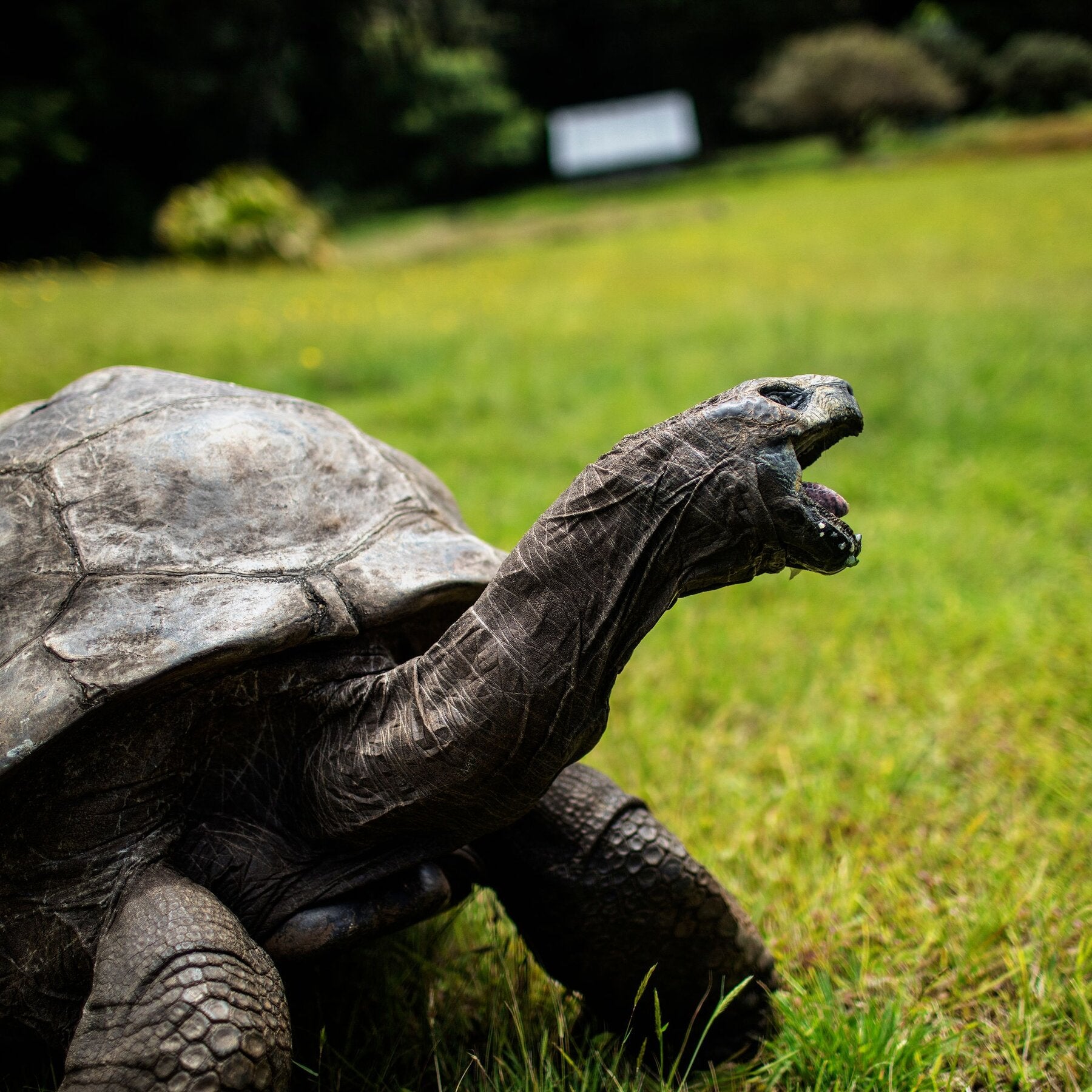
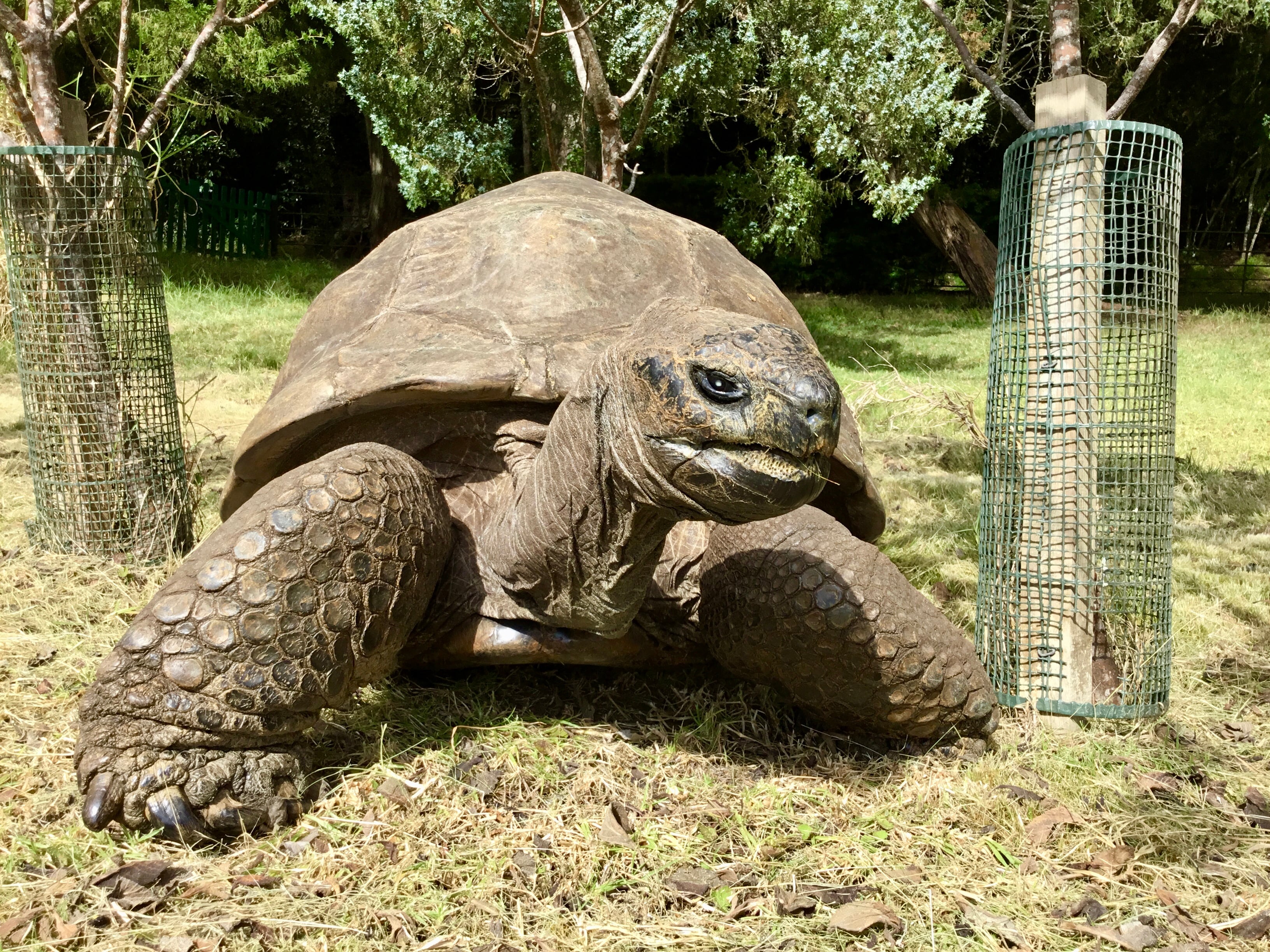
Jonathan the giant tortoise, 194, offers up insight into secrets of longevity
DNA analysis of oldest living land animal reveal patterns on genes that appear to protect functioning of mitochondria The ancient quest to extend human lifespan has received a boost after scientists analysed the genetic code of the world’s oldest living land animal, a giant tortoise called Jonathan. The tortoise, which lives in the grounds of Plantation House, the official residence of the…

The remote South Atlantic island of St. Helena is home to Jonathan, the world's oldest living land animal, who has surpassed the expected lifespan of an Aldabra giant tortoise by almost a century. Scientists have recently identified several unique genetic and epigenetic traits that may contribute to Jonathan's remarkable longevity. The study, published in Science Advances, examined Jonathan's genes and the chemical tags (epigenetic markers) that control gene activation.
Jonathan's genes associated with mitochondrial function were in excellent condition, suggesting a significant role in his longevity. Mitochondrial dysfunction is often linked to disease, but Jonathan's case offers new insights into the relationship between longevity and mitochondrial health. The research was led by Stephen Clark, chief scientist of the Kallel Foundation, a nonprofit focused on drug targets to promote human longevity.
In 2017, researchers gathered samples from Jonathan using cheek swabs, after being denied permission to collect blood due to infection risks. When the samples arrived in the U.S., it was discovered that the DNA had been isolated from bacteria in Jonathan's mouth rather than his cells. The researchers were able to obtain more samples through cheek scrapes, which contained the actual tortoise DNA.
The study compared Jonathan's genetic makeup to that of two other tortoises, Tank, aged 36, and Lonesome George, who died at around 100 years old. Jonathan carried 287 unique variants of genes linked to aging-related pathways, including those involved in DNA repair and telomere function. Similar pathways are also implicated in aging processes in humans.
The researchers also analyzed epigenetic changes, such as DNA methylation, which can act as a biological age clock. In most genes, Jonathan's DNA methylation patterns were more disordered than those of younger tortoises. However, in genes related to mitochondrial function, Jonathan exhibited more organized methylation patterns, which may help maintain consistent gene expression and contribute to his long life.
Written by urgent.news from Live Science's reporting — not their text. Machine-written — may contain errors; check the original before relying on it.
This story
This is one outlet's version. Read the fullest account.
- Scientists discover the genetic secrets that may have helped Jonathan the tortoise live to 194 years old livescience.com
- Scientists unlock the longevity secrets of 194-year-old Jonathan the giant tortoise scientificamerican.com
- Jonathan, a 192-Year-Old Giant Tortoise, Holds Insights for Aging Well e360.yale.edu