I’ve tried every popular Android VPN, but this is the only one I use for gaming
I spend only for what I need.
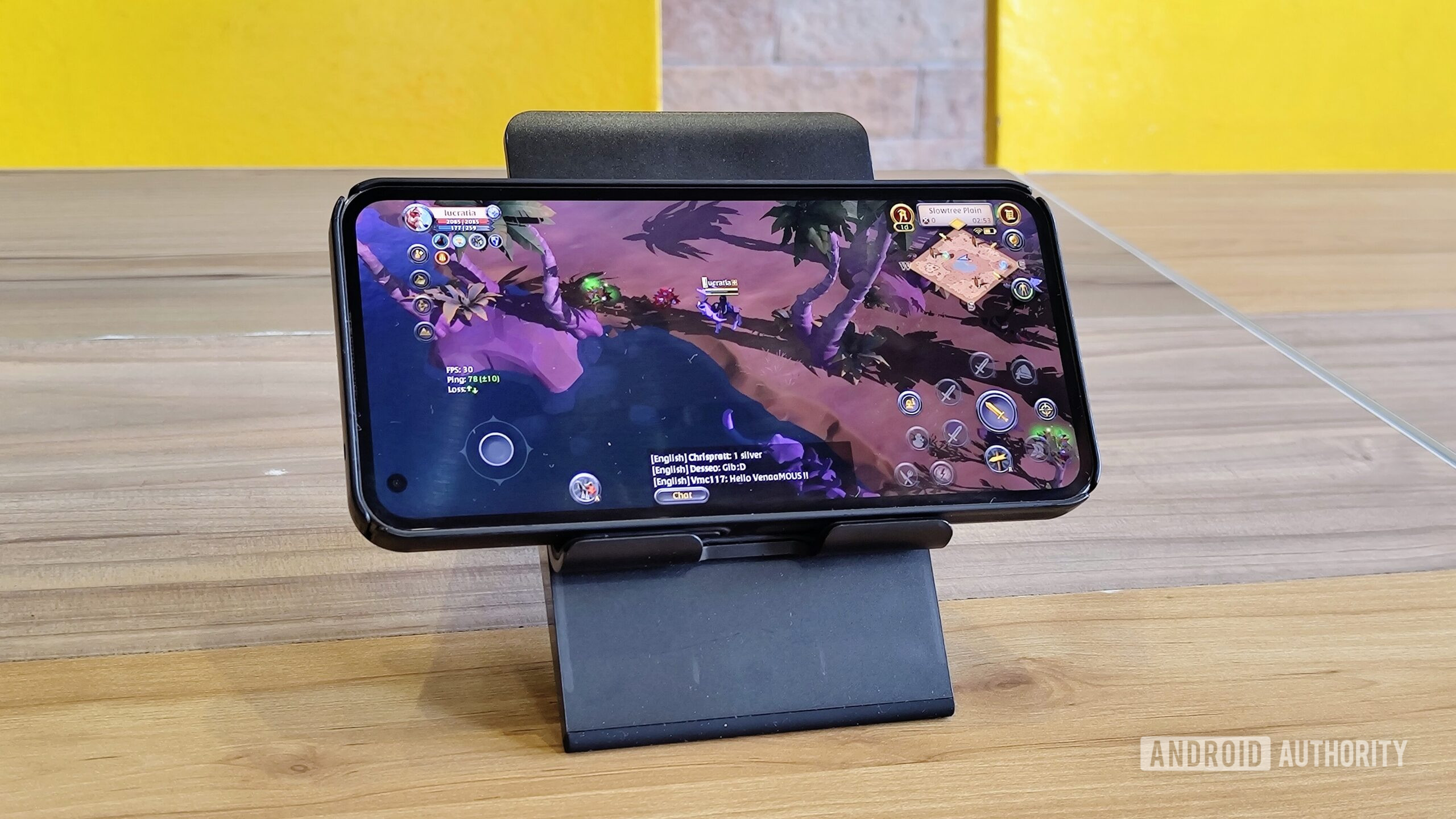
For gamers seeking a cost-effective solution to reduce ping and packet loss during online gameplay, Mudfish stands out among popular Android VPN options. This service eschews traditional monthly subscriptions, instead opting for a pay-per-traffic model that allows users to purchase credits only when needed. With prices starting at $5 for approximately 40GB of data, Mudfish offers substantial value for those who only play occasionally.
Unlike conventional VPNs such as NordVPN and Surfshark, Mudfish does not encrypt internet traffic, focusing solely on identifying the fastest route to game servers. It operates on a credit system, where users buy only the data they require, which does not expire, allowing for long-term use without additional costs. Mudfish supports multiple platforms, including Android, Windows, Linux, iOS, and macOS, ensuring a consistent experience across devices.
The service connects users to game servers in their chosen regions, selecting the optimal node based on ping performance. Users can manually override these recommendations if desired, with the option to switch between hundreds of international nodes ordered by ping speed. Performance improvements can be significant, with some users reducing ping by up to 50ms, making a noticeable difference in competitive gaming.
While Mudfish effectively reduces latency for gaming, its lack of encryption makes it unsuitable for non-gaming activities requiring secure connections. The interface, while functional, has been criticized for being confusing compared to older versions. Mudfish's developers have discontinued the subscription model, relying instead on the credit system, which offers flexibility and cost savings. Notably, there are no free trials available, yet the pay-for-use model remains accessible and affordable.
Written by urgent.news from Android Authority's reporting — not their text. Machine-written — may contain errors; check the original before relying on it.
Also reported by 1 other outlet
- Google reveals how many popular Android apps run (or not) on Intel-based Googlebooks androidauthority.com