Iraq devalued its currency as the Iran war squeezes its oil exports
The devaluation gives Baghdad more dinars for every export dollar but risks making imported goods costlier for households and businesses
On Wednesday, Iraq officially devalued its currency, moving the exchange rate from approximately 1,300 dinars to the dollar to 1,500 dinars to the dollar. The decision was made by Iraq's Cabinet in a meeting the previous night, according to the country’s central bank. The previous rate had been set in 2023, and the devaluation was aimed at addressing financial, economic, and monetary needs.
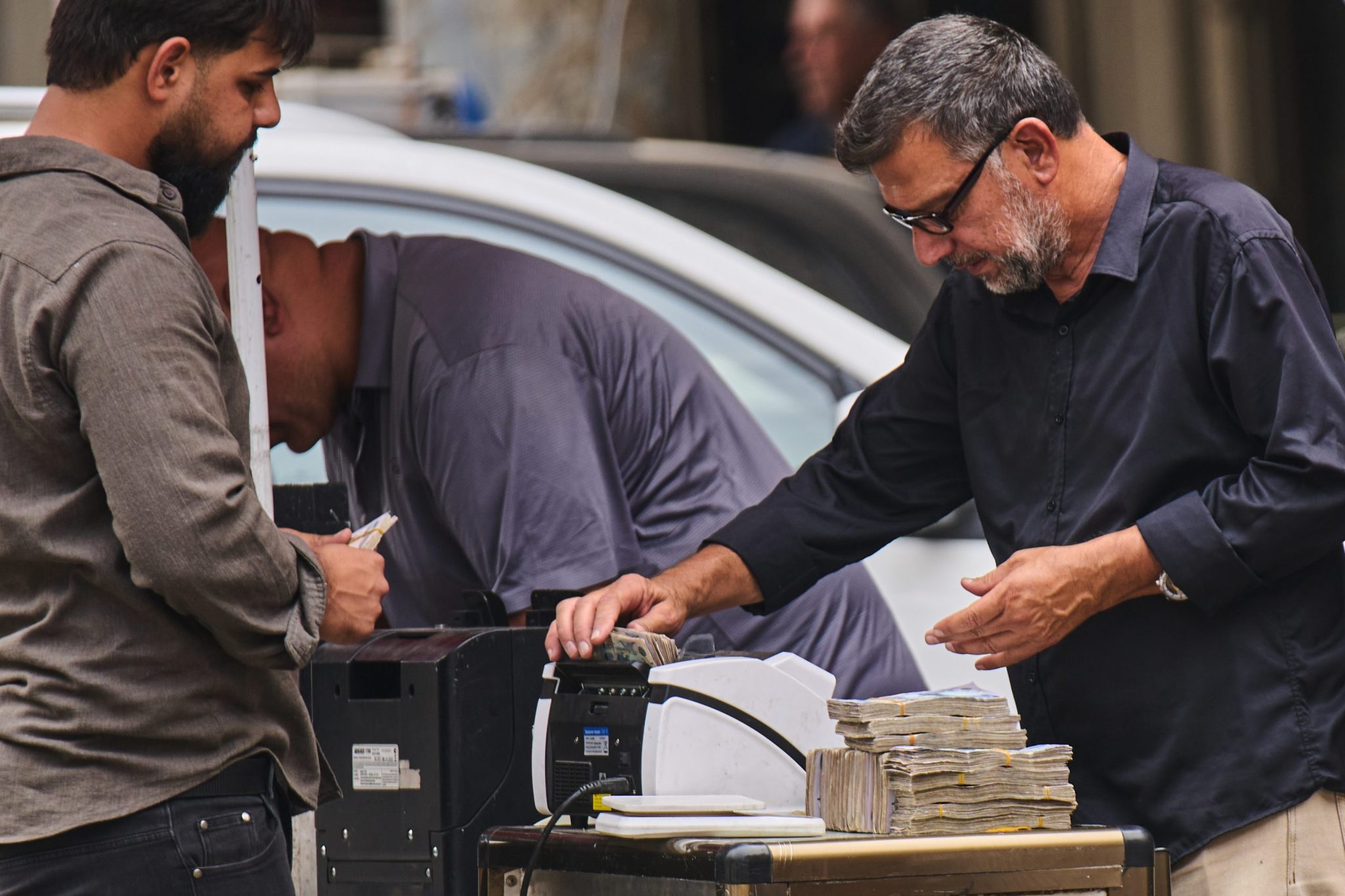
The official rate has typically been higher than the market rate at which exchange shops operate, a gap that has widened recently due to the U.S.-Iran war and disruptions in the Strait of Hormuz. Iraq's economy is heavily dependent on oil exports, which are often shipped through the Strait of Hormuz before the war. Since the conflict began, Iraq has had to use land routes via Syria for oil exports, a more costly and less efficient method.
The devaluation means that each dollar earned from oil exports yields more dinars, assisting the Iraqi government in covering domestic expenses. However, it also raises the cost of imports, potentially leading to higher prices for consumers. Iraqi traders expressed concerns about potential losses due to the devaluation, while consumers worried about rising prices.
Ali al-Bahadili, a businessman in Baghdad who imports clothes from China, stated he would lose money due to the exchange rate change. The unofficial rate had already risen to over 1,600 dinars to the dollar before the official devaluation was announced. Following the announcement, the market rate surged to over 1,700 dinars to the dollar.
In the city of Irbil, many exchange shops closed after the change was announced. Under the new official rate, Iraq's Finance Ministry will sell dollars at 1,500 dinars for $1, while consumers paying through banks will pay 1,520 dinars for a dollar. This development was originally reported by Fortune.com.
Written by urgent.news from Fortune's reporting — not their text. Machine-written — may contain errors; check the original before relying on it.