Iran has 'lost complete control' of Strait of Hormuz', US claims
US Secretary of State Marco Rubio said on Wednesday that Iran had “lost complete control” of the Strait of Hormuz, saying oil flows through the waterway had returned to near prewar levels. “The Strait of Hormuz is open. There’s almost as much oil flowing out now as there was before this conflict began. So they’ve lost complete control of the strait,” Mr Rubio told a press conference in Athens. He…
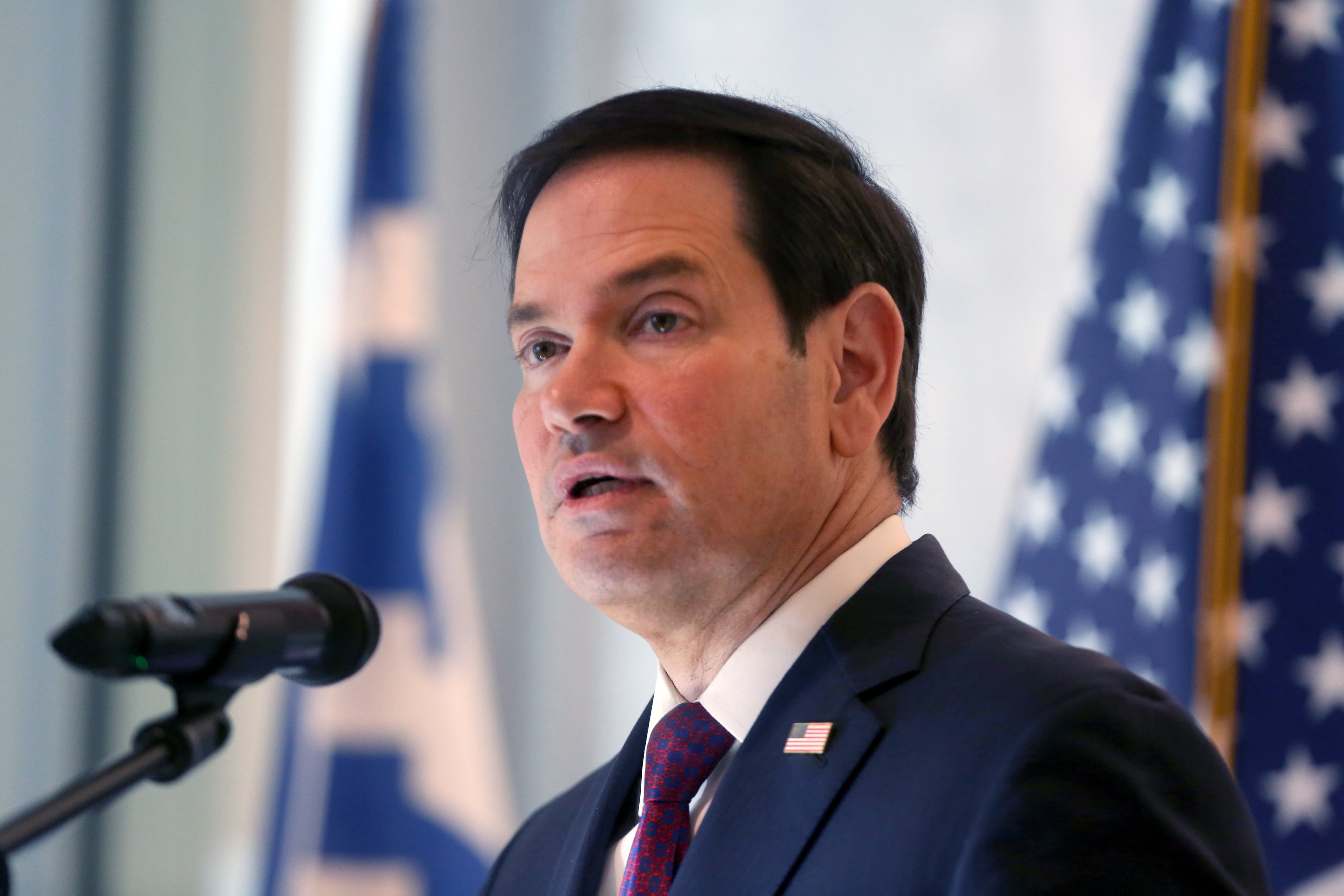
U.S. Secretary of State Marco Rubio declared on Wednesday that Iran has lost comprehensive control over the Strait of Hormuz, stating that oil flows through the waterway have returned to near prewar levels. Rubio stated this during a press conference in Athens. Iran is currently experiencing "crippling sanctions" and an "utter and complete economic collapse," with its economy set to reach unprecedented depths, according to Rubio.
He further alleged that Iran's leadership is primarily investing state revenue in Hezbollah, Hamas, Iraqi militias, and the Houthis, rather than infrastructure development or improving the lives of Iranians. Brig Gen Mohammad Reza Naqdi, a senior advisor to the Iranian Revolutionary Guards Corps commander, countered by claiming that the strait is closed and under Iran's "full control," until the country's "legitimate demands" are addressed.
He also hinted at potential closures of certain transit routes in the strait, allegedly referring to the southern route close to Oman's coast. Vice President Joseph R. Biden Jr. posited that Iran must significantly reduce its nuclear enrichment capacity to meet U.S. demands and end the seven-month conflict. Biden argued that any agreement cannot hinge on Iranian assurances of future nuclear reductions, emphasizing the necessity of tangible actions from Tehran, such as a substantial decrease in its 60% enriched fuel.
The International Monetary Fund's head, Kristalina Georgieva, mentioned that the energy price shock caused by the U.S.-Iran war has been substantial but manageable, asserting that high energy prices would likely persist for an extended period even if the war in the Gulf were to conclude soon. Oil-producing nations in the Middle East are accelerating the construction of alternative shipping routes to transport their exports.
The United Arab Emirates is expediting the construction of the West-East Pipeline, which is projected to double export capacity through Fujairah by 2027. Saudi Arabia has also started rerouting its crude through its East-West Pipeline. Meanwhile, Middle East refining capacity is rapidly recovering from the conflict-induced disruption, with Tom Baker, Vitol's managing director in Bahrain, stating that about two million barrels of refining capacity in Russia and the Middle East, as well as China, have been negatively impacted but are now recovering swiftly.
Written by urgent.news from The National Business's reporting — not their text. Machine-written — may contain errors; check the original before relying on it.
This story
This is one outlet's version. Read the fullest account.
- Iran has 'lost complete control' of Strait of Hormuz', US claims thenationalnews.com
- Tanker attacks in Strait of Hormuz highest in a week since Iran war began: Report timesofindia.indiatimes.com
- Iranian official says 'illegal routes' in Strait of Hormuz to soon be blocked al-monitor.com