India’s stakes in the Global Pandemic Agreement
India’s leadership can help bridge the divides in global pandemic governance
India played a crucial role during the United Nations High Level Meeting (UN HLM) in New York in September 2026, by making official remarks on the Political Declaration on Pandemic Prevention Preparedness and Response (PPPR). This Declaration is part of the World Health Organization's (WHO) Global Pandemic Agreement (PA), which was adopted by 124 member-states in 2025, including India.
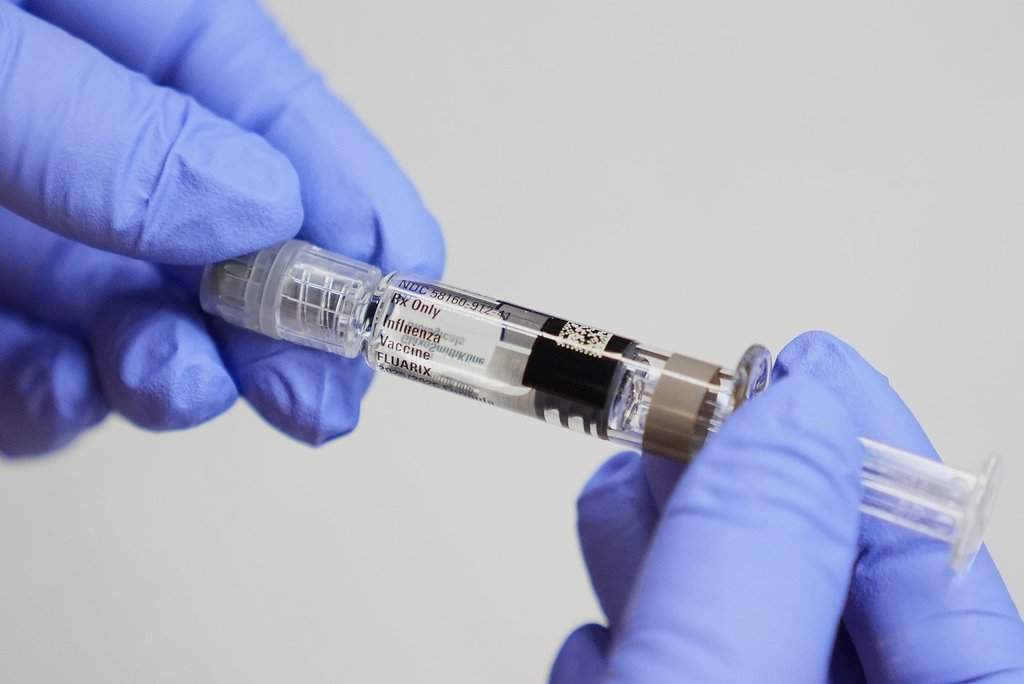
The PA, a new global legal regime for pandemics, was created following negotiations that focused on balancing national sovereignty with international cooperation and solidarity. The discussions revealed the differences between the Global North and Global South, particularly in concerns about how to fund measures like 'One Health' and the sharing of vaccines and medicines at affordable prices.
The PA's Pathogen Access and Benefit-Sharing (PABS) system, which could ensure fair distribution of vaccines and other therapeutics in LICs and LMICs, had not yet been ratified. Even without ratification, the PA has established a global legal framework for PPPR that requires countries to navigate complex interests among high-income countries, low-income countries, and middle-income countries.
India, being both a major vaccine producer and a significant importer of pharmaceuticals, emphasized the need for equitable access to drugs and digital infrastructure to strengthen global health governance and its own pandemic management.
Written by urgent.news from The Hindu Health's reporting — not their text. Machine-written — may contain errors; check the original before relying on it.
Also reported by 1 other outlet
- India’s stakes in the Global Pandemic Agreement thehindu.com