India and US trade deal still have a few stubborn cards to play: Fitch unit
Negotiations between India and the US have encountered significant sticking points affecting market access and agriculture. US Trade Representative Jamieson Greer noted the identification of all key issues during talks. Finance Minister Nirmala Sitharaman mentioned that negotiations have reached a plateau with limited opportunities for further concessions. India is advocating for more…
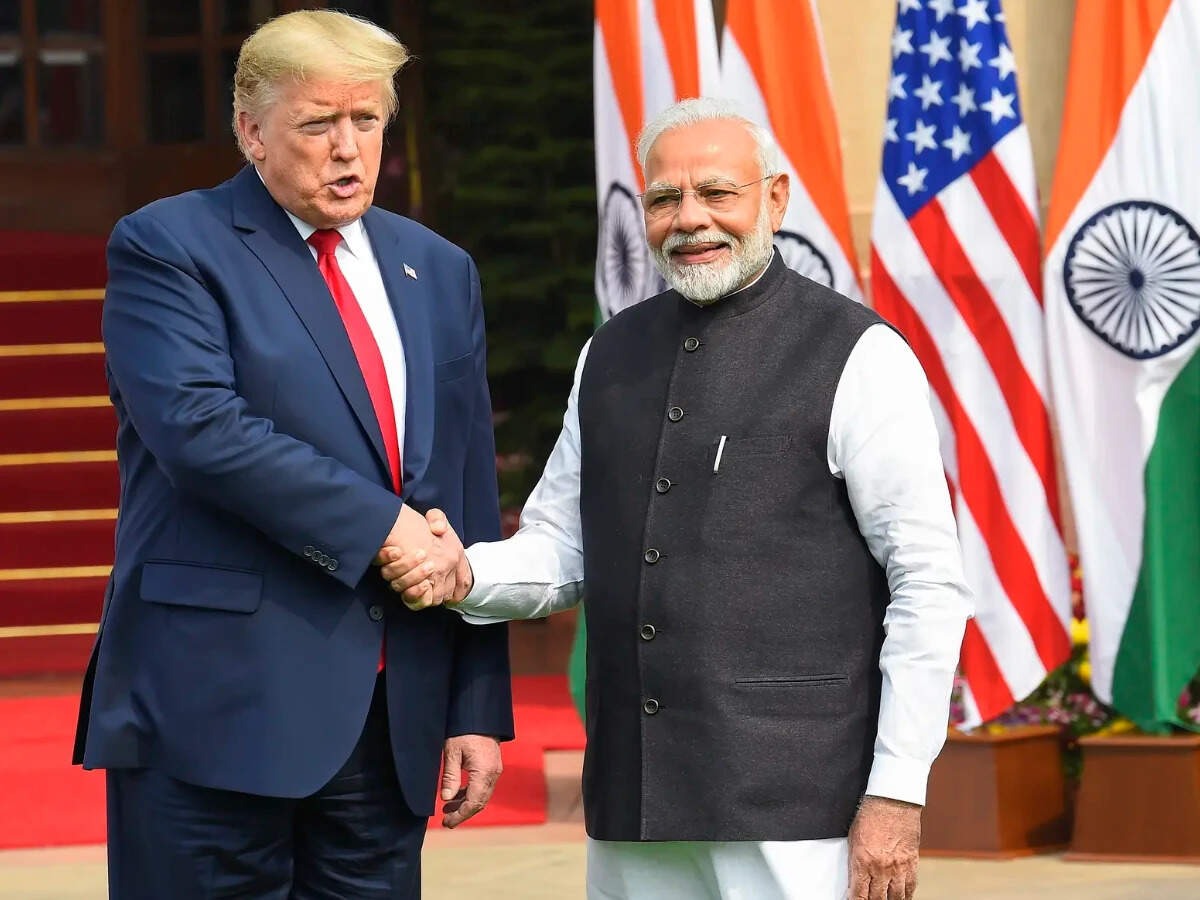
India and the United States aim to finalize an interim trade deal, but a swift resolution appears unlikely due to ongoing disagreements. These disputes revolve around market access, agriculture, Russian oil purchases, and the US's apprehension over the trade deficit, according to a Fitch unit's assessment. This analysis follows US Trade Representative Jamie W. Greer's statement on October 1, saying negotiators have identified all sticking points, and Finance Minister Nirmala Sitharaman's remark on October 5 that talks have reached a standstill where further concessions would be challenging.
The February announcement suggested the deal was a framework, not a final agreement, confirming BMI's view. The main contentious issues are the US's desire for greater market access, especially in agriculture, larger purchases of US goods, and lowering the bilateral trade deficit. Agriculture is the most politically and commercially sensitive area, with potential concessions on animal feed, tree nuts, fruit, soybean oil, wine, and spirits.
However, opening up dairy and GM agricultural markets would involve significant political risks for India.
India's effective tariff rate on US goods is currently 13.6%, markedly lower than the 35% starting point from February, suggesting limited direct gains from an interim deal unless preferential access in key sectors is granted. The US seeks steps to narrow the goods trade deficit, currently at $45.7 billion. While India could boost US purchases of aircraft, energy, technology, and defense equipment, these moves alone wouldn't address broader US concerns about market access.
Russia's role complicates negotiations, with India's heavy reliance on Russian crude. The framework from February seemed to tie tariff relief to reduced Russian oil imports, but the Iran conflict has heightened India's need for alternative energy sources. With Russia supplying around 50.8% of India's crude imports in July 2026, the US has increased pressure on countries buying Russian energy, including through new sanctions enacted on September 18.
An interim deal could benefit India by reducing uncertainty and providing exporters with more stability. However, the trade impact would likely be modest due to current tariffs and a likely narrow product scope. India is still subject to a US Section 301 investigation into structural manufacturing overcapacity in sectors like petrochemicals, steel, and solar modules, with the USTR yet to announce a decision date.
The upcoming G20 summit in Miami on December 14-15 may provide a final chance for negotiations to reach a deal, despite BMI's belief that an agreement remains improbable.
Rewritten by urgent.news; may contain errors — check the original.