How Oct. 7 Changed Israel
Three years since the devastating attack, Israel has changed. "What’s less visible, and more surprising, is what has stayed the same," writes Dahlia Scheindlin.
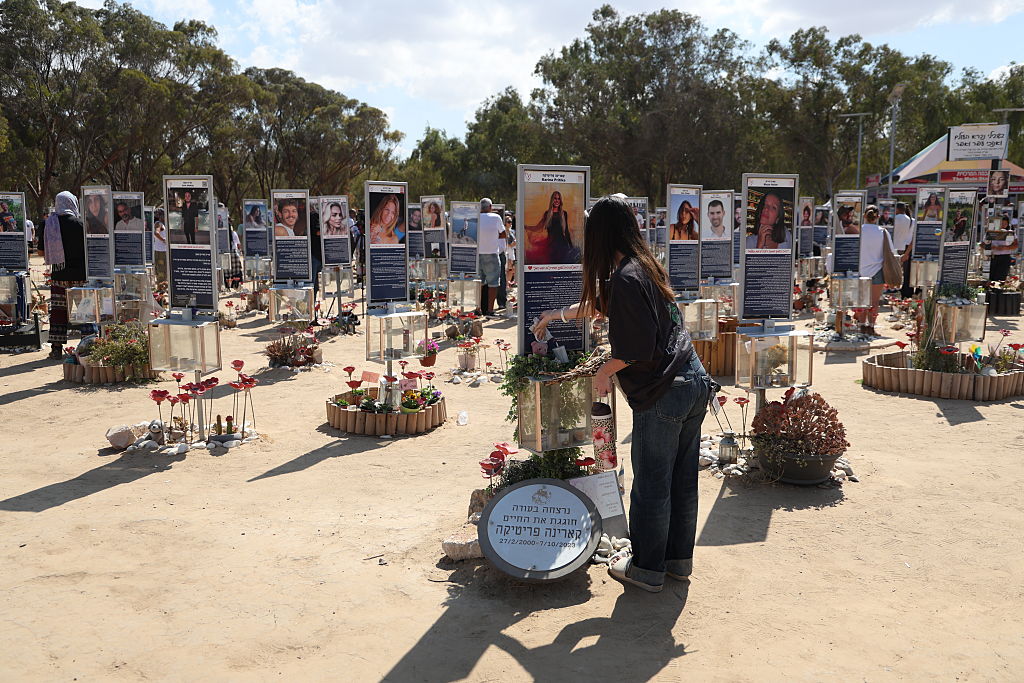
On October 7, 2023, Hamas attacked Israel, sparking a devastating conflict that has persisted throughout the region. However, within Israel, political sentiments have remained rather unchanged. Some view the attack as a fulfillment of right-wing warnings about the disastrous consequences of withdrawing from Gaza, while others believe it proved that Palestinians will never coexist peacefully with the Jewish state.
Conversely, those on the left have long maintained that prolonged military rule over Palestinians, coupled with a lack of peace negotiations, would inevitably lead to violent conflict. For them, the October 7th incident only served as evidence to confirm their beliefs.
Since October 7, 2023, Israel and the broader Middle East have experienced significant upheavals. The war in Gaza, which began on that fateful day, has become Israel's longest ongoing conflict. A relative peace with Lebanon, lasting from 2006 to 2023, came to an end following Hezbollah's retaliatory strike on Israel just after Hamas' attack.
Since then, multiple escalations have occurred, causing the existing ceasefire to become increasingly fragile. Israel and the United States have also engaged in two full-scale wars against Iran, while the Middle East continues to face a risk of secondary conflicts. The losses sustained by Israel since October 7 and throughout the conflict period have had profound collective and individual impacts on the nation.
For two years, numerous Israelis have demonstrated, demanding that their government prioritize a deal with Hamas to secure the release of Israeli hostages. Moreover, around three years since the attack, Israel has witnessed record emigration rates and growing international isolation. Sixty-one percent of Israelis surveyed by the Israel Democracy Institute (IDI) reported a poor national mood.
Additionally, the destruction experienced by Palestinian life and society is ongoing and will eventually necessitate a significant reckoning within Israel.
While attitudes towards a two-state solution have become more pronounced, Israeli public opinion has exhibited moderate consistency with what prevailed prior to October 7. In December 2022, nearly a year before the attack, support for resolving conflict through a two-state solution reached a historic low, with only 39% of Israelis backing the idea—the lowest figure since the 1990s.
Among Jewish respondents, just 34% favored a two-state solution, while 37% believed Israel should permanently annex the West Bank, granting Palestinians limited rights. This sentiment remained steady when the same survey was conducted in mid-2024. Nonetheless, Palestinian attitudes in 2022 were similarly unfavorable, with only one-third supporting the creation of two states.
Both sides demonstrated a majority who harbored distrust for the opposing side, with 59% of Jewish Israelis self-identifying as right-wing and only 12% as left-wing.
Written by urgent.news from Time's reporting — not their text. Machine-written — may contain errors; check the original before relying on it.