How Gaza and the Oct. 7 Attacks Changed the Rules of War Reporting | Analysis
Three years after the Hamas terrorist attack, limited access to Gaza has made verification and sourcing more central to war reporting The post How Gaza and the Oct. 7 Attacks Changed the Rules of War Reporting | Analysis appeared first on TheWrap .
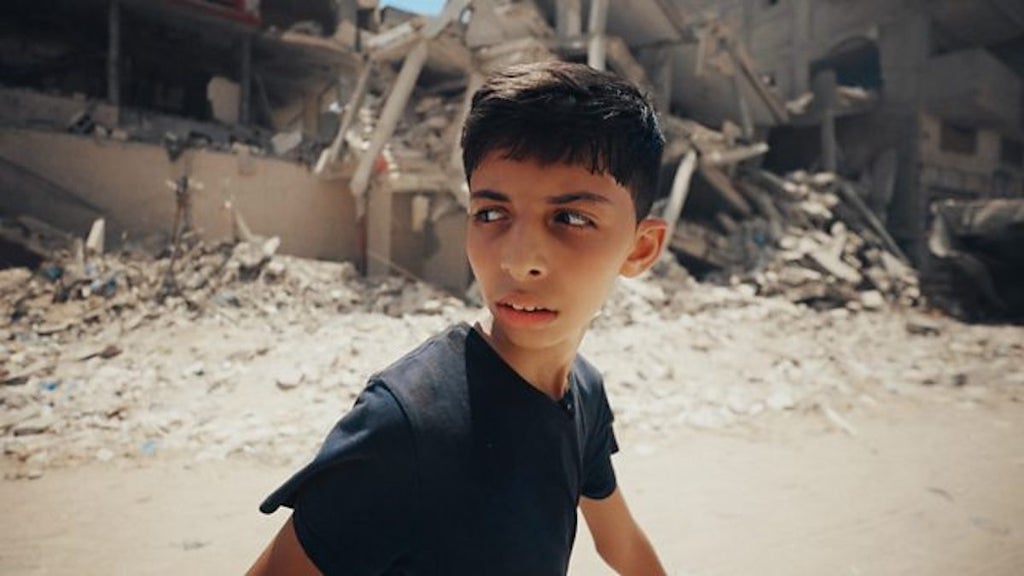
Three years after the Oct. 7 attacks in southern Israel, news organizations have had to adapt their coverage of Gaza, with reporters and editors making a concerted effort to be more explicit about what they know and how they know it. The conflict has created a paradox for newsrooms: images and videos from Gaza can spread around the world quickly, providing journalists with a wealth of potential evidence, but at the same time, Israel's restrictions on foreign press access mean that many international reporters cannot verify stories firsthand.
This tension has made verification, attribution, and open-source reporting more central to daily news gathering.
Techniques such as geolocation, satellite imagery, and video analysis have existed before the Oct. 7 attacks, but Gaza has put these tools to the test on an unprecedented scale. Newsrooms have had to verify material from a place that most foreign reporters cannot independently enter. The shift has not only changed the tools reporters use but also how stories are written and presented, with a greater emphasis on what can be independently confirmed, the source of information, and what remains uncertain.
In an era where false or manipulated material can spread before reporters have time to verify it, these distinctions are crucial in ensuring audiences understand events on the ground accurately. This pressure has led newsrooms to rely more heavily on technology and verification techniques. For example, CNN uses methods such as geolocation, reverse-image searches, chrono-location, and checks for AI manipulation and analysis of satellite and aerial imagery to authenticate third-party material.
Caroline Paterson, CNN's vice president of international newsgathering, emphasized that the lack of access to Gaza has made these techniques even more significant.
CNN also employs experts to analyze images and videos, identifying objects like munition fragments to help determine responsibility for a strike. The New York Times, for instance, acknowledged in a later editor's note that its early coverage of an explosion at Al-Ahli Arab Hospital in Gaza had relied too heavily on claims by Hamas without adequately conveying the unreliability of those claims.
The BBC, which launched BBC Verify in the months leading up to Oct. 7, has also adopted similar verification techniques. This includes assessing user-generated content for signs of AI manipulation and using traditional methods such as comparing footage from different sources, geolocating images, and analyzing satellite imagery. These techniques become particularly important when journalists cannot freely reach the places they are covering.
Israel's restrictions on independent media access have been a significant challenge, with the country citing security concerns as the reason for limiting foreign journalist access. However, news organizations argue that escorted visits cannot replace independent reporting. In response, the BBC has committed to reporting the Israel-Gaza conflict impartially and to the highest standards of journalism, focusing on countering misinformation and disinformation.
Leaders from over two dozen major news organizations have called for Israel to allow foreign reporters independent access, arguing that journalists need to question official accounts, speak directly with civilians, and witness conditions firsthand.
Written by urgent.news from TheWrap's reporting — not their text. Machine-written — may contain errors; check the original before relying on it.