Hong Kong’s AI city brain must understand how people really speak
Chief Executive John Lee Ka-chiu’s vision of an “AI city brain” is bold and timely. An integrated system linking data across transport, public works, environmental monitoring and emergency response could help Hong Kong manage risks more proactively and coordinate services more effectively. The initiative is highly commendable. It also raises a critical question: can a city brain truly understand…
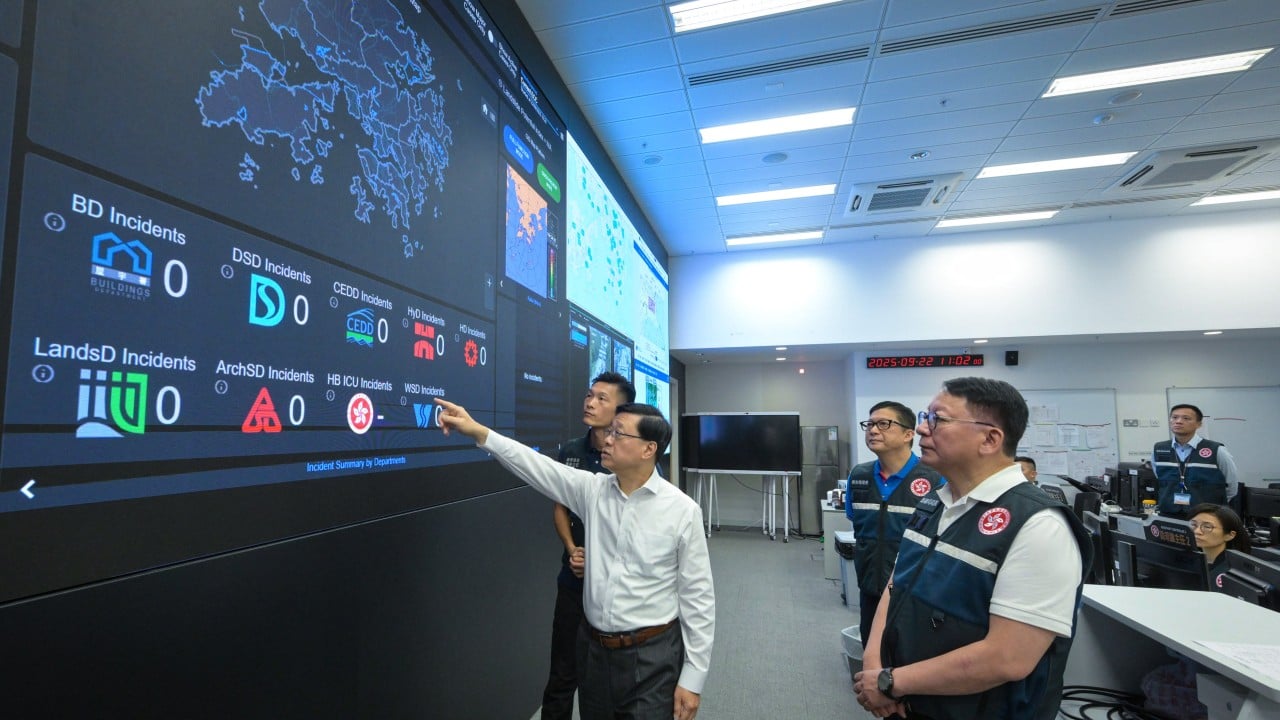
Chief Executive John Lee Ka-chiu envisions an "AI city brain" that integrates data across various sectors, improving Hong Kong's risk management and service coordination. However, the initiative raises a crucial question: can an AI system truly understand a city if it doesn't comprehend the nuances of how people communicate? The reality is that Hong Kong is not monolingual; residents seamlessly switch between Cantonese, Mandarin, English, and other languages within conversations.
This linguistic flexibility is a strength, not a problem to be solved. Policymakers often focus on the number of languages people can speak, but the true value lies in how they move between them. Translanguaging—drawing on multiple languages dynamically based on context, audience, and purpose—is a more accurate representation of language use.
An AI system built around translanguaging would recognize language shifts within a single sentence, allowing it to capture the full context of communication. This matters because the proposed AI system will interact with human behavior, not just infrastructure. Linguists and cognitive scientists should be involved in its development to ensure the system recognizes the dynamic nature of language.
For instance, during a typhoon, a hotel receptionist might switch between Cantonese, English, and Cantonese again in a single call. An AI system that focuses solely on monolingual categories might miss crucial contextual information that could be vital in an emergency. The first phase of the AI city brain focuses on the Security Bureau's Emergency Monitoring and Support Centre, where a language-aware system could help identify and address communication uncertainties.
This approach goes beyond simply classifying people by language, emphasizing the importance of understanding how language is used in real-life situations. Hong Kong's competitive advantage lies in its ability to move seamlessly between linguistic, cultural, and professional worlds. An AI city brain that understands this dynamic will be better positioned to make informed decisions and serve the city's diverse population effectively.
Written by urgent.news from South China Morning Post - Hong Kong's reporting — not their text. Machine-written — may contain errors; check the original before relying on it.