Health diplomacy must now deliver for the people
A global health commitment that cannot be felt in a village is unfinished diplomacy. That is the lesson Kenya must carry forward from the 81st session of the United Nations General Assembly. UNGA provides a platform for countries to influence priorities, build partnerships and mobilize resources. Its value will not be determined by our engagements […] The post Health diplomacy must now deliver…
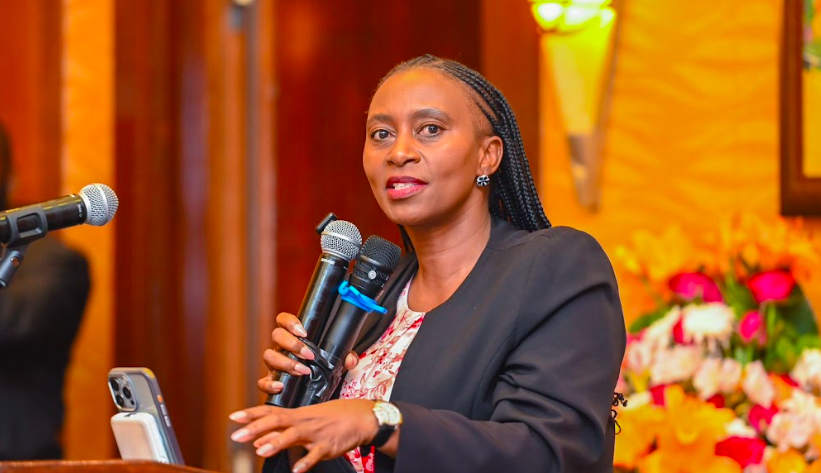
Health diplomacy must now deliver tangible benefits for the people, according to Kenya. The 81st United Nations General Assembly (UNGAs81) session served as a platform for countries to shape priorities, forge partnerships, and secure resources. UNGA81 showed that health diplomacy extends beyond declarations and fragmented projects.
It now requires ensuring financing, technology, knowledge, and institutional capacity to protect people, as health threats transcend national boundaries. Climate change, disruptions in global supply chains, and other factors intensify health risks in communities. Kenya emphasized the need for climate-resilient primary healthcare, child survival, nutrition, adolescent girls' investment, and stronger community health systems at UNGA81.
Their focus demonstrates that health is not merely a domestic service but a matter of national security, economic stability, and international cooperation. Kenya’s past success in combating HIV, tuberculosis, and malaria exemplifies the potential of international health partnerships, yet Kenya cannot depend on isolated programs.
Investment must fortify institutions and systems that endure beyond individual funding cycles. Community Health Promoters, who link households with health services, exemplify the practical application of these principles. Kenya should strengthen this national platform instead of creating parallel structures. International partners should align behind Kenya's national commitments, such as expanding school meals to 10 million learners by 2030 and supporting adolescent girls' health and development.
The strongest test of health diplomacy will be Africa's ability to manufacture essential medicines and technologies. Kenya must leverage its diplomatic influence to secure technology transfer, scientific expertise, and market access for African manufacturers. Ultimately, health diplomacy should shorten the distance between international decisions and ordinary people, ensuring visible improvements in child nutrition, community health services, and access to necessary medicines.
Rewritten by urgent.news; may contain errors — check the original.