Google’s Next Android XR Device Is Arriving Ahead of Meta’s VR Glasses, at a Similar Price
The Xreal Aura will cost $1,279, and it has some similarities to the Meta VR Glasses coming next year.
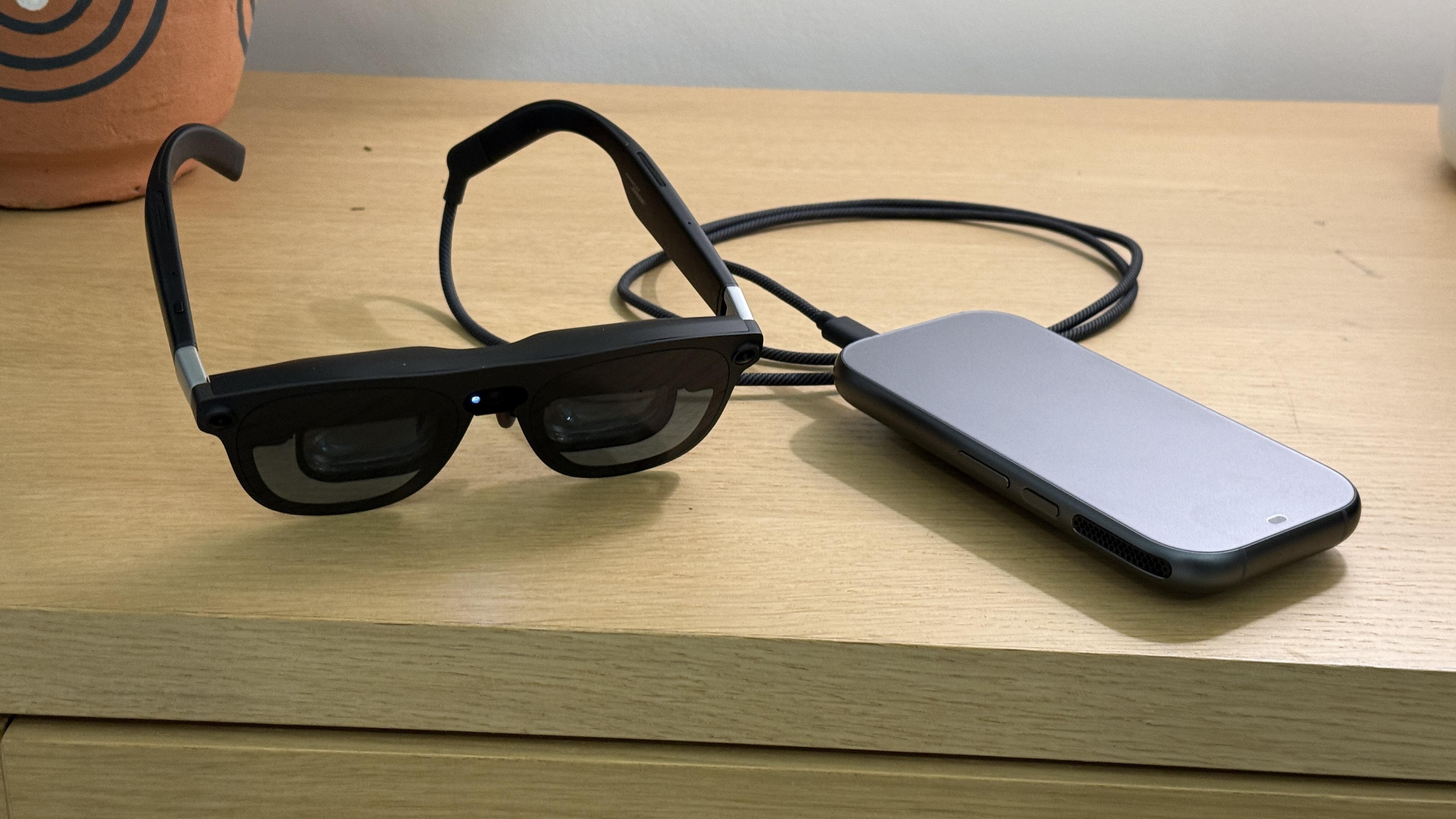
Google's upcoming Android XR device, the Xreal Aura, is set to launch before Meta's VR glasses, and both will be available at a similar price point. The Xreal Aura, priced at $1,279, is expected to arrive within the next month or two, while Meta's Meta VR Glasses will be available for $1,299. Both devices are expected to release in the coming months, offering a glimpse into the evolving landscape of VR and AR technologies.
The Xreal Aura, currently available for pre-order, features a larger 70-degree field of view compared to previous Xreal glasses, and includes 3D experiences and VR apps in Android XR. It also has hand tracking capabilities via external cameras and can float 3D experiences and VR apps in the room. The Aura connects with external processing pucks, powered by Qualcomm Snapdragon XR Elite chipsets.
On the other hand, Meta's VR Glasses use pass-through cameras for a more transparent view of the outside world, with eye tracking and hand tracking capabilities, and are compatible with Meta Quest controllers and Quest apps. Both devices connect with external processing pucks and offer MicroSD card slots for app storage. As smart glasses flood the market, traditional VR devices are undergoing a transformation.
Google is preparing several Android XR devices, including a line of Gemini-powered smart glasses, while Meta's VR Glasses and Xreal Aura are creating a blurred line between VR and AR. These devices, priced around $1,300, are more expensive than Meta's Quest VR headsets but offer a glimpse into the future of immersive displays.
Written by urgent.news from CNET's reporting — not their text. Machine-written — may contain errors; check the original before relying on it.