Urgent.News

What's breaking now, across thousands of outlets.

Tech

Google Play is working on a Spotify-style taste profile, but for games

The next Android game you play might be picked by Google's AI.
Google Play is working on a Spotify-style taste profile, but for games

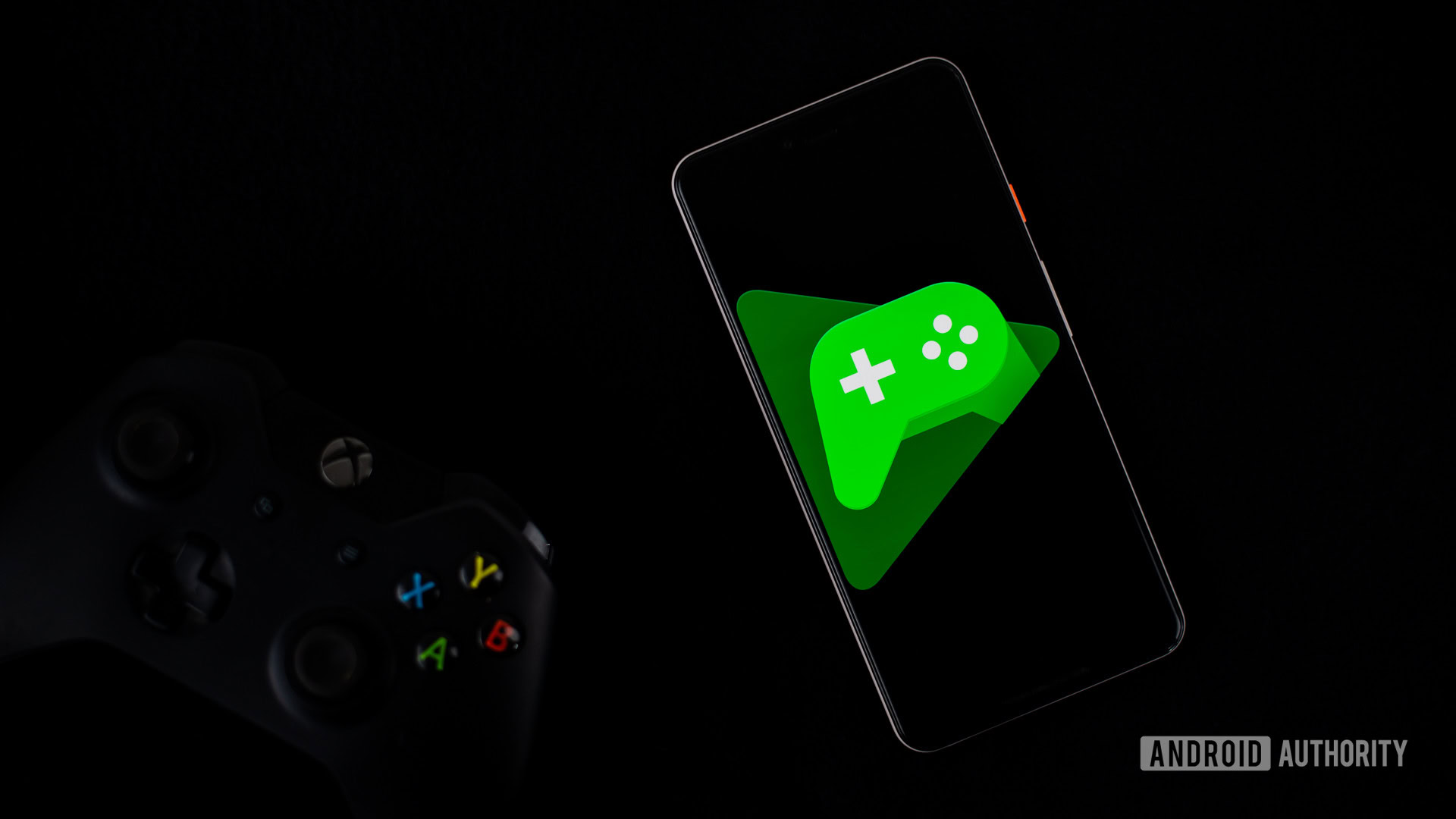
Google Play is developing a new AI-powered feature called Game Finder, reminiscent of Spotify's personalized music recommendations. This feature will utilize your gaming history, ratings and interests to curate a unique "Gamer DNA" profile. This profile will then be used to tailor game suggestions and allow users to customize their feed.

While we were able to glimpse the Gamer DNA user interface, the feature isn't yet fully functional. Google has also been working on a custom game playlist feature, which allows users to group and store games into distinct categories. However, this tool requires users to already have specific games in mind. Google's new Game Finder feature, on the other hand, is designed to help users discover new games they might not have considered before.

Currently, finding a game on Google Play Store involves navigating through storefront listings, genre-based charts and dedicated sections. The recommendations are somewhat passive, with "Recommended for you" being the main personalized section. Google aims to revolutionize this discovery process with the Game Finder.

Written by urgent.news from Android Authority's reporting — not their text. Machine-written — may contain errors; check the original before relying on it.
Read the original at androidauthority.com →

More in Tech

My quote feed returns two premium numbers. I only show one when they agree.

Over a week-long holiday I built a small dashboard for a narrow problem: investors in mainland China who want US index exposure.

  • Dashboard created to show premium numbers for US index funds in mainland China
  • Two premium numbers required to match before accepting IOPV
  • Dashboard marks IOPV as unavailable if premium differs by >0.05%

Your video breaks when you serve it from your own server, and 416 is usually the reason

If you moved private files off presigned URLs and started serving them through your own route, you have probably hit this: images are fine, PDFs are mostly fine, and video is broken.

  • Video files fail to load properly when served from private servers.
  • Range header causes issues when proxying requests instead of using presigned URLs.
  • Correctly handling ranges is crucial to prevent data corruption.

Two 32 MB tokenizers: hunting a memory floor in a Rust proxy

cliproxy-rs is a Rust rewrite of CLIProxyAPI. It's one local server that Codex CLI, Claude Code and other tools talk to, and it forwards to whatever you've configured: your own API keys, your own…

  • Two 32 MB tokenizers consume excessive memory in cliproxy-rs
  • Memory leak starts with upward trend, never decreases
  • Fix implements shared encoder per encoding to reduce memory

More from Wednesday 7 October →