Ghana targets rice self-sufficiency by 2028 as government secures $18.8m AfDB grant
Ghana is targeting full self-sufficiency in rice production by 2028 as the government steps up efforts to close the country’s 44% rice supply gap. Minister of Food and Agriculture, Eric Opoku, says the government is targeting total paddy rice production of 3.31 million metric tonnes by 2028, with the aim of ending the country’s reliance […]
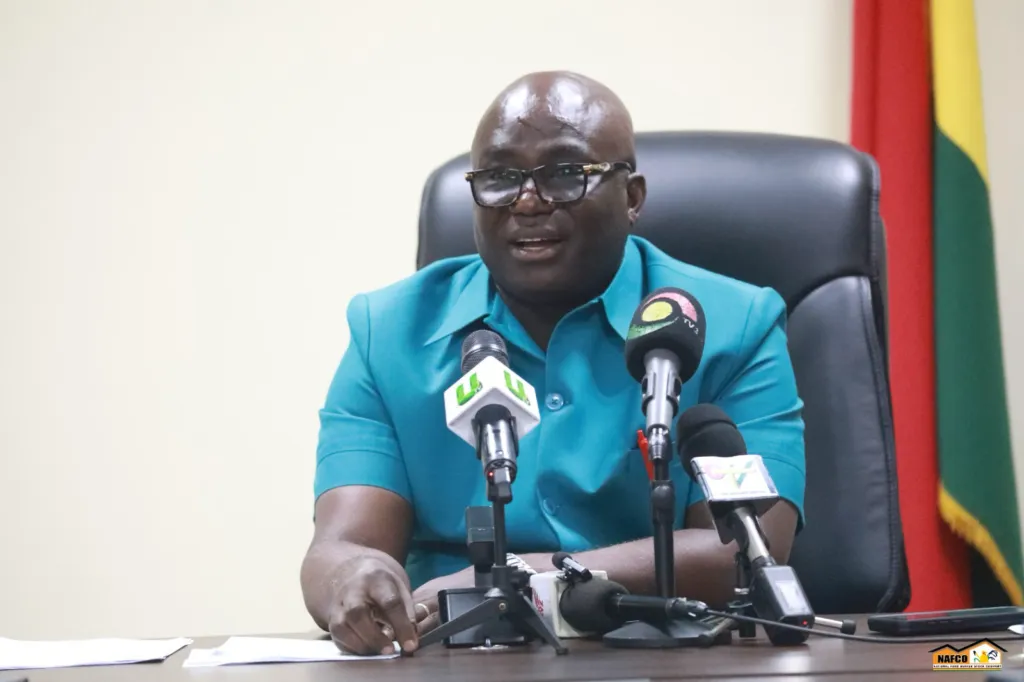
The government of Ghana aims for full self-sufficiency in rice production by 2028 as it seeks to bridge the 44% rice supply gap. Minister of Food and Agriculture Eric Opoku revealed that the country's target is to produce 3.31 million metric tonnes of paddy rice by 2028, hoping to end its dependence on rice imports. Ghanean rice production has risen, but it is still not enough to meet the growing demand due to population growth, urbanization, and changing consumer habits.
Despite a production increase from 650,000 tonnes in 2024 to 960,000 tonnes in 2025, only 56% of national demand is met, leaving 44% to be sourced through imports. This reliance on imports costs Ghana approximately 500 million US dollars annually, money that could benefit farmers, millers, and traders instead. The government is determined to close this production gap within two years, aiming to reach the 3.31 million metric tonne target.
In pursuit of this goal, the government has secured an $18.8 million grant from the African Development Bank (AfDB) through the Regional West African Resilient Rice Value Chains Project, known as REWARD. The funding will be utilized for policy and regulatory reforms, land development for rice production, improving access to quality seeds and machinery, and strengthening supply chains for farmers and traders.
The project expects to benefit over 20,000 smallholder farmers across selected districts. Minister Opoku emphasized that this initiative is part of the broader Feed Ghana program, aiming to raise local rice output and decrease Ghana's import bill, while also supplying quality locally produced rice to schools, prisons, and other public institutions.
Written by urgent.news from MyJoyOnline Ghana's reporting — not their text. Machine-written — may contain errors; check the original before relying on it.