Ghana develops US$4.28bn water financing framework
Ghana is developing a US$4.28 billion financing framework to address critical water-sector investment needs and strengthen climate resilience.
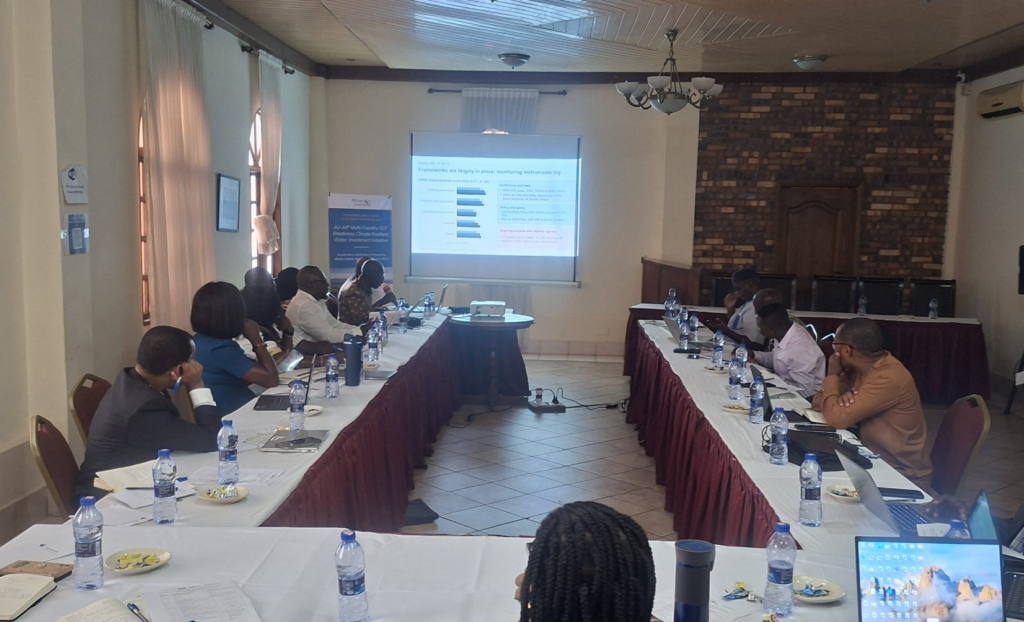
Ghana is crafting a US$4.28 billion financing framework to tackle urgent water-sector investment requirements and enhance climate resilience. The framework, under the National Water Investment Programme, will guide priority investments, attract public and private funding, and enhance water resources management. Edwin Kissi Afosah-Anim, Deputy Director of the Water Management Directorate of the Water Resources Commission (WRC) and Ghana's contact point for the Green Climate Fund (GCF), revealed this during a stakeholders' validation workshop in Accra.
Afosah-Anim stated that the programme would fortify the nation's ability to recognize and prioritize crucial water investments, secure financing, and chart a clear implementation route. It would also ensure water-sector investments align with national climate and developmental goals.
During the validation workshop, Afosah-Anim invited stakeholders to evaluate the proposed investment plan, financing strategy, and implementation mechanisms. He emphasized that the quality of the final programme hinges on the depth of stakeholder involvement and the value of their contributions. Afosah-Anim highlighted the challenges faced by countries like Ghana in mobilizing financing for water and climate-related projects due to high debt levels, constrained fiscal space, and intricate donor engagement procedures.
According to sector estimates, Ghana needs around US$1.7 billion annually to attain universal water access and meet sustainability goals by 2030.
Afosah-Anim stressed that financing for water and climate initiatives should go beyond government resources, emphasizing the need for robust public-private collaboration to bridge funding gaps. He also mentioned that the private sector is being engaged to complement governmental efforts. Additionally, civil society organizations and non-governmental organizations are being involved in activities where public funds might be limited.
These entities provide funding while the WRC contributes technical expertise, enabling them to combine resources to address financing challenges.
Eunice Inkum, Principal Economic Officer at the Ministry of Finance and GCF representative, pointed out that the US$4.28 billion requirement cannot be covered by the government alone. She urged stakeholders to utilize public resources more effectively to leverage additional financing through improved cooperation with development partners and climate finance institutions.
Inkum advocated for blended finance and, where suitable, increased private-sector involvement. She asserted that the validation process would bolster Ghana's project pipeline and ensure that proposed investments align with national development goals and are feasible within the country's financial context. The National Water Investment Programme aims to provide a roadmap for identifying priority investments, mobilizing financing, and improving implementation to boost water security and climate resilience.
Rewritten by urgent.news; may contain errors — check the original.