Gene therapy and special goggles give some blind people limited sight
Optogenetics, recognized by the 2026 medicine Nobel, makes cells respond to light, including eye cells that normally relay signals to the brain.
Optogenetic therapy, a Nobel Prize-winning technique, involves activating nerve cells using light, as revealed in a recent study. This approach has shown promise in partially restoring sight in blind individuals. Optogenetic therapy harnesses light to control nerve cells, a method that earned the 2026 Nobel Prize in Physiology or Medicine.
The therapy, first demonstrated in 2021, has now been tested in a larger trial involving the initial patient and nine others. Prof. Botond Roska of the Institute of Molecular and Clinical Ophthalmology Basel confirmed that the concept of optogenetics is valid for vision restoration. The study, published in the New England Journal of Medicine, involved 10 participants with advanced retinitis pigmentosa, a genetic disorder affecting over 1.5 million people globally.
In these conditions, light-sensitive cells in the retina gradually lose function, while ganglion cells, which transmit visual information to the brain, deteriorate more slowly. The therapy targets these retinal ganglion cells, which are not the primary cells damaged by the disease, making them suitable candidates for the treatment.
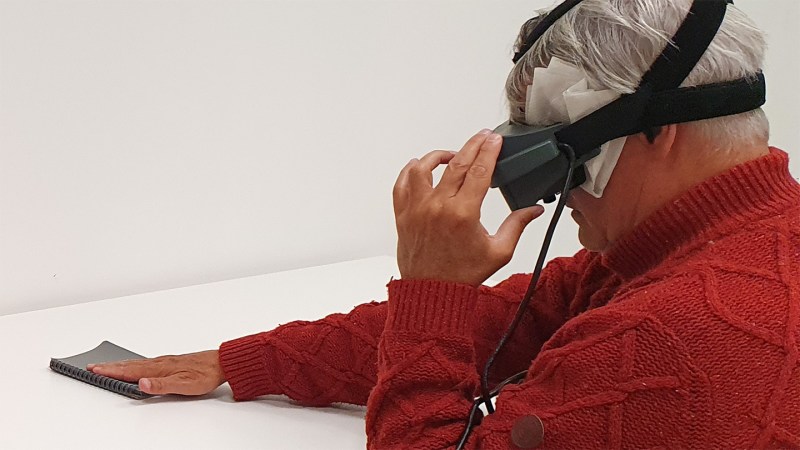
Each patient received a single injection into the eye containing a harmless synthetic virus that delivers genetic instructions for producing a light-sensitive protein into the surviving ganglion cells. This process renders these cells light-sensitive. After the injection, participants wore light-stimulating goggles that capture images of the surrounding environment and convert them into light pulses.
These pulses activate the light-sensitive ganglion cells, enabling the wearer to perceive a monochrome image. Crucially, the technique does not depend on the specific genetic cause of the patient's sight loss. The researchers reported that only one severe eye-related side-effect occurred, which resolved within minutes, while no side effects were observed in the rest of the body.
Among the participants, six experienced clinically meaningful improvements in light sensitivity after the treatment. Some also showed enhancements in various tasks performed with the light-stimulating goggles, such as detecting objects, locating a door, and walking on a line. The improvements were more pronounced for participants who dedicated more time to training with the goggles.
While participants could detect objects, they were unable to perceive faces, as the treated ganglion cells are arranged in a ring around the fovea, which is responsible for sharp central vision. Prof. Mark Hankins of the University of Oxford emphasized the significance of the study, highlighting that it provides reassurance on the safety of the approach and its potential application to individuals with residual vision.
The researchers believe that these advancements, though incremental, represent critical steps towards restoring vision in people with retinal degenerative diseases.
Written by urgent.news from Guardian Science's reporting — not their text. Machine-written — may contain errors; check the original before relying on it.
This story
This is one outlet's version. Read the fullest account.