From reactive to proactive: How endpoint monitoring is fixing broken meeting rooms
SPONSORED FEATURE: Cloud-based telemetry is turning meeting rooms into managed endpoints, letting IT teams anticipate failures rather than scramble once users complain
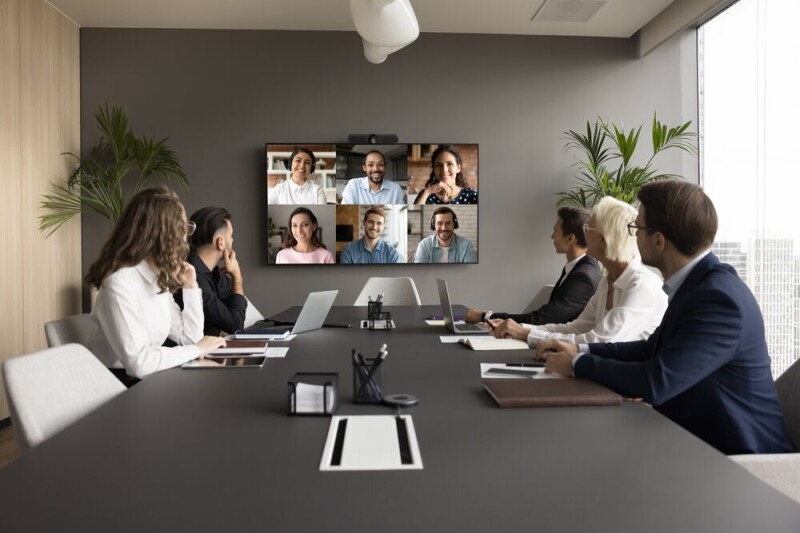
The nature of meeting rooms is evolving. Originally, they were formal spaces with fixed layouts, mainly used for structured meetings, presentations, and status updates. However, the rise of remote work and improved collaboration technology has made this model less suitable. Employees now visit the office to interact, work together, and brainstorm, rather than focusing on individual tasks at home.
Consequently, many meeting rooms have evolved into flexible, tech-enabled spaces that can adapt to various activities. These rooms feature modular partitions, movable furniture, and casual seating to accommodate different tasks. They act as digital nodes that connect remote and office workers, ensuring a consistent experience regardless of location.
This change is made possible by the integration of IT and audio-visual (AV) equipment. Yannic Laleeuwe, marketing director for Barco's ClickShare visualization, collaboration, and networking platform, explains that cameras, microphones, and wireless conferencing tools can now connect to enterprise networks. This connection allows for centralized management through cloud-based systems, enabling IT teams to monitor, update, secure, and optimize these systems in a way that was previously impossible.
Traditionally, meeting rooms existed in a gray area between facilities management, AV, and IT. They were primarily physical spaces with added technology over time, so they were rarely managed by IT departments with the same level of monitoring as laptops, servers, or network infrastructure. The lack of visibility into room usage and performance has led to reactive tech support.
Issues like poor audio, display failures, or connectivity problems were only addressed after someone reported them. IT teams had limited ability to predict problems, prioritize investments, or optimize rooms based on actual usage patterns. This reactive approach had several negative consequences. For employees, faulty technology caused delays, difficulties in participation, and reliance on unsecured personal devices as backups.
In a hybrid work environment, the failure of meeting room technology meant that the meeting itself failed. For IT teams, poorly maintained technology resulted in operational inefficiencies, with staff spending time firefighting individual issues instead of improving collaboration environments. From a business perspective, the lack of data on meeting room usage made facilities planning challenging.
Some spaces might be over-equipped with underused technology, while others lacked the necessary equipment for effective collaboration. This led to wasted investments, inconsistent user experiences, and missed opportunities to design rooms based on real user behavior rather than assumptions. Endpoint monitoring technology, such as ClickShare's XMS Cloud Management Platform, addresses these challenges.
Organizations can now measure occupancy patterns, equipment uptime, connection quality, software status, and support incident volumes. This data helps IT professionals assess not only the technical functionality of rooms but also whether they meet employee expectations. Laleeuwe explains that telemetry transforms meeting room management from a reactive discipline into a proactive one.
IT can identify patterns, spot underperforming rooms, detect device issues, plan maintenance, and make informed investment decisions based on evidence. Meeting rooms can be treated as managed endpoints, with IT monitoring, patching, securing, and assessing them against clear performance indicators. This shift is significant because meeting rooms now serve as hubs for critical business activities, not just for calls.
Reliable meeting rooms enhance productivity, employee experience, meeting equity, collaboration culture, and workplace investments. While the benefits are clear, adopting this technology requires IT teams to acquire new skills beyond traditional device support. They need expertise in AV knowledge, acoustics, data analysis, workplace experience design, and change management.
This expanded skill set changes IT's role, as teams now help shape organization-wide collaboration. They interpret room data, understand user behavior, work closely with workplace, HR, facilities, and sustainability teams, and influence standards for meeting space design and usage. These skills are best developed through cross-functional collaboration and closer partnerships.
Written by urgent.news from The Register Science's reporting — not their text. Machine-written — may contain errors; check the original before relying on it.