French wine industry facing historic low harvest after extreme summer heat
This year’s harvest is expected to be down 2% on mediocre 2025 yield, which was lowest in nearly 70 years France’s wine industry is facing a historic low harvest after the country was hit by a series of summer heatwaves. At about 35m hectolitres, the total harvest would be down 2% on a mediocre 2025 yield and 14% below the 2021-2025 average, according to estimates published on Wednesday by the…
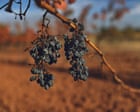
France's wine industry is bracing for a historic low harvest this year due to a string of scorching summer heatwaves. Projections indicate that total production will be down 2% from 2025's already meager yield, and 14% below the 2021-2025 average, according to estimates released by the French Ministry of Agriculture on Wednesday. The International Organisation of Vine and Wine reports that this marks France's lowest production since 1957.
The decline is attributed to extreme heat, tempered slightly by recent rainfall, and a 1.9% drop in cultivated areas over the past year. While southern areas, which faced intense heat in 2025, have seen a rise in production, Bordeaux is expected to increase its output by 10% on 2025 levels, though still below the 2021-2025 average. In Champagne, the harvest concluded early in September, marking the first time since records began, with production down by half compared to the previous year and the five-year average.
Champagne faced additional challenges as growers had to harvest exceptionally early, speeding up sugar buildup and alcohol production. Production in the region was down by half compared to last year and the five-year average. In Burgundy and Beaujolais, production is projected to be 30% lower than the five-year average.
Winegrower Claude Mandois reported harvesting three-quarters of an average yield in terms of volume, but noted that in terms of quality and taste, the harvest was exceptional. Jérôme Despey, chair of the wine advisory board at FranceAgriMer, highlighted the unprecedented level of heterogeneity, stating that vines in the south had become more resilient to climate extremes, with previous heatwaves prompting growers to adapt vineyard management practices such as leaving leaves to protect the grapes.
The Ministry of Agriculture and industry emphasized that overall, the harvest's "excellent health" was not compromised, with the wine free of fungi and other moisture-related diseases.
Written by urgent.news from Guardian Business's reporting — not their text. Machine-written — may contain errors; check the original before relying on it.