Four tribes partner with Kalshi to launch prediction apps–a move that undercuts Native American opposition to the industry
For tribes left out of the $46 billion casino boom, a disputed industry offers a different path.
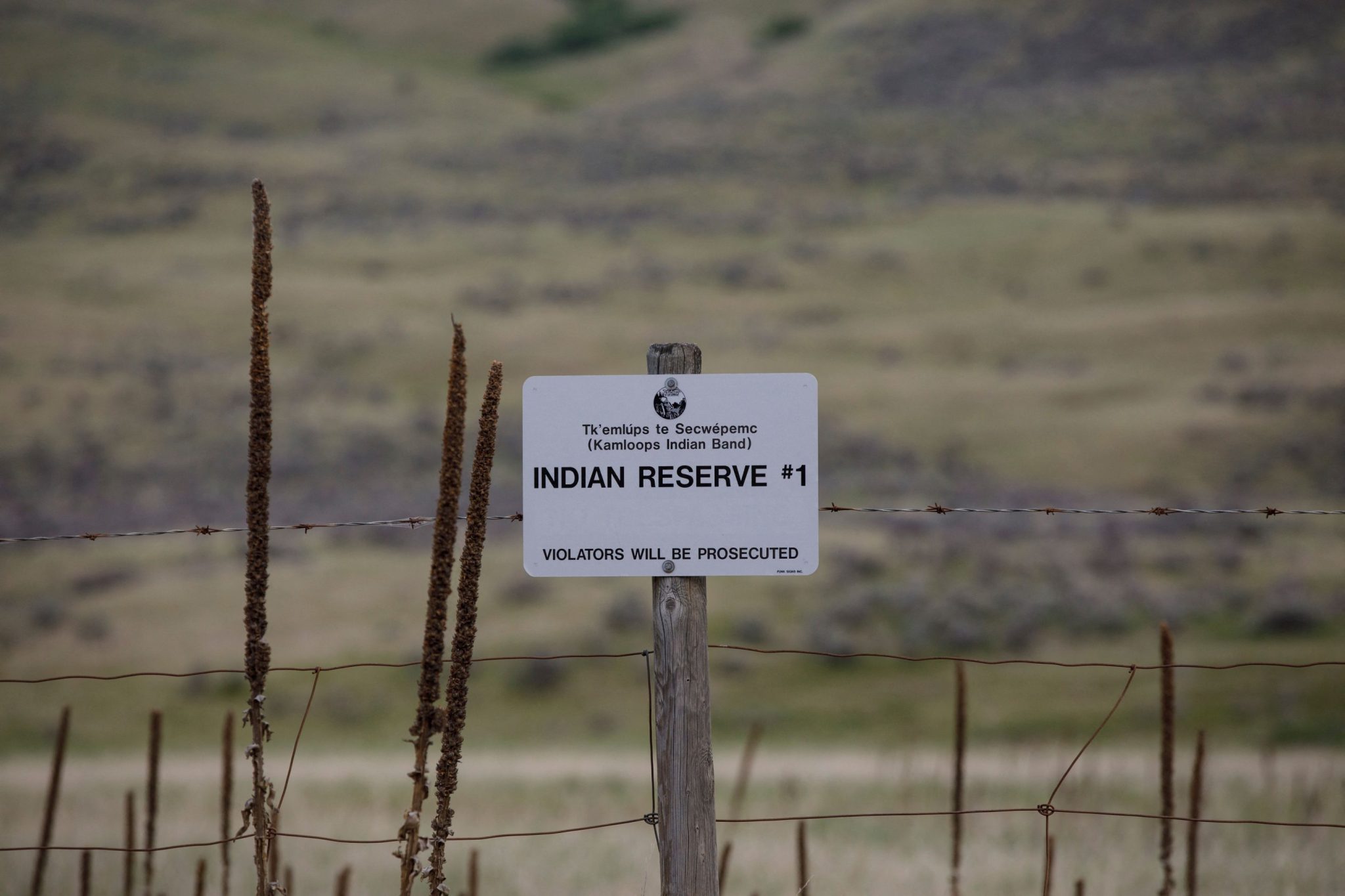
A rift is emerging within Indian Country's collective opposition to prediction markets. On Tuesday, four tribes from California and Oklahoma announced the launch of their own prediction apps in collaboration with Kalshi, a prominent player in the industry. The partnerships illustrate the contrast between tribes that perceive prediction markets as a new revenue stream, and others who view them as a threat to the profits they derive from traditional casinos.
Alabama-Quassarte Tribal Town in Oklahoma introduced PokkeTrades, while Kletsel Dehe Wintun Nation, Greenville Rancheria, and Alturas Indian Rancheria each launched their own apps through their respective economic entities. Michael Stopp, vice president for economic development of Alabama-Quassarte Tribal Town, stated in a press release that these digital markets present tribes with an opportunity to participate in an emerging industry, particularly those with limited revenue generation due to geographical constraints.
The new apps are owned and operated by the individual tribes, granting them control over branding, marketing, and direct customer interaction. Kalshi manages the trading infrastructure, facilitating transactions between buyers and sellers while holding funds and monitoring trading activity. These apps are linked to Kalshi's national exchange, allowing customers to access the same pool of participants.
This move represents a significant shift from the tribes' traditional stance of opposition towards prediction platforms. For years, gaming has been the primary economic driver for tribal self-governance, with Native American casinos generating over $46 billion in revenue in 2025, according to the National Indian Gaming Commission.
Prediction markets now vie for the same customer base as casinos. Kalshi and Polymarket, both valued over $20 billion, allow users to trade contracts based on sports and other events through mobile apps. The emergence of prediction markets has led to numerous lawsuits from Native American tribes across the United States, accusing platforms like Kalshi of violating tribal gaming rights.
The four tribes partnering with Kalshi see these apps as an avenue to generate income without the need to construct a gaming facility. The financial benefits of tribal gaming are heavily concentrated, with just 9% of operations contributing to 56% of industry revenue, while more than half of all venues generate less than 5%, as reported by the National Indian Gaming Commission.
Eric Wright, CEO of KEDA, expressed optimism about the digital commodities marketplace, stating that it offers tribes the chance to expand beyond current limitations. "Economic self-determination means having the authority to assess emerging opportunities and determine what best serves the long-term interests of our Nation," added Wright.
Written by urgent.news from Fortune's reporting — not their text. Machine-written — may contain errors; check the original before relying on it.