Four deputies, one son-in-law: Iraqi PM’s cabinet deal exposes price of consensus
Iraqi Prime Minister Ali Al Zaidi is close to finalising his government, but the process to get there has already drawn fire – for the cost, their surnames and what it says about who really governs Iraq. Mr Al Zaidi , a businessman who was nominated by the largest Shiite parliamentary bloc, the Co-ordination Framework, was sworn in in mid-May after parliament endorsed most of his proposed cabinet…
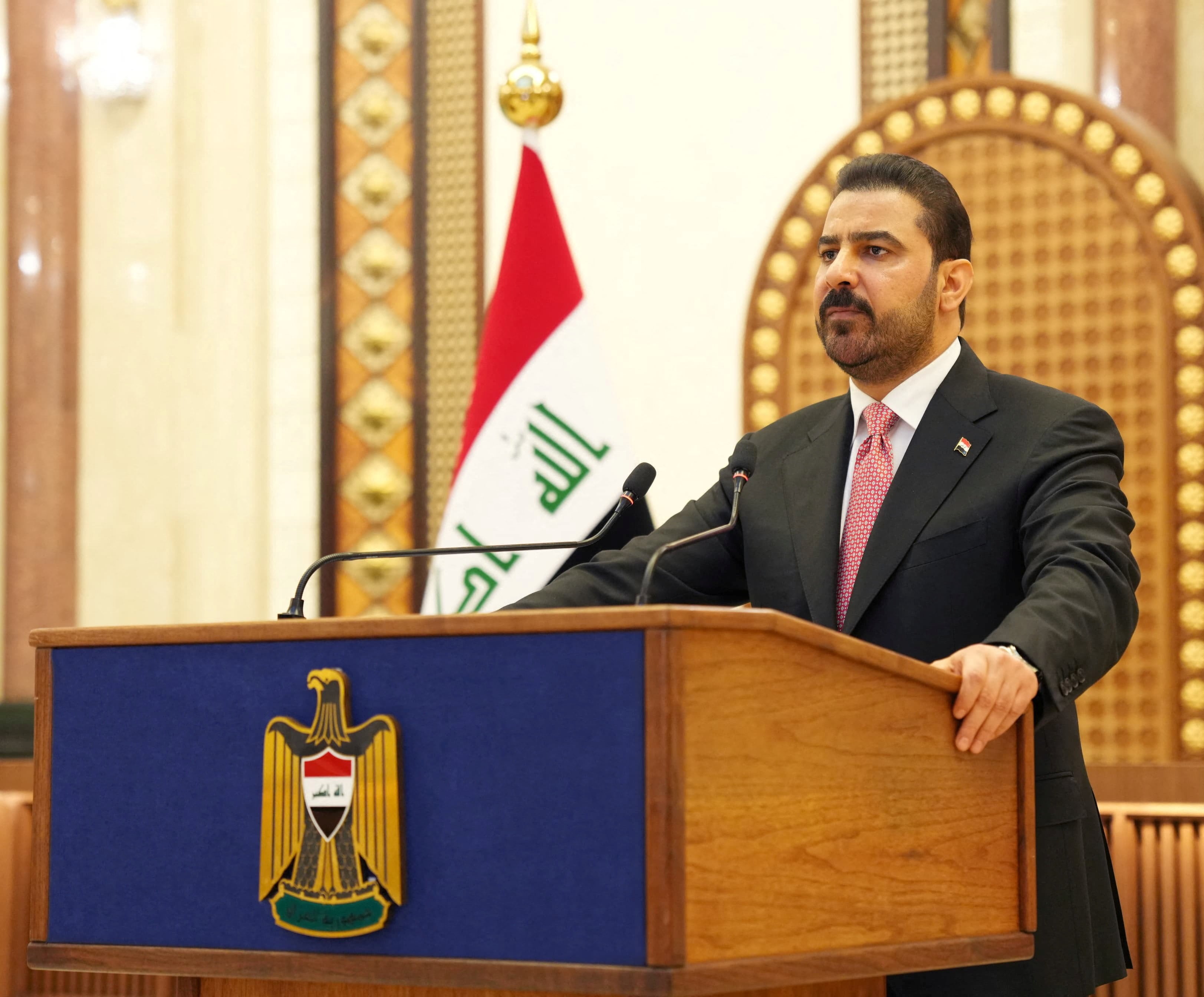
Iraqi Prime Minister Ali Al Zaidi is nearing the completion of his government, but the process has already drawn criticism for the cost, the names involved, and the implications for who truly governs Iraq. A businessman nominated by the largest Shiite parliamentary bloc, the Coordination Framework, Al Zaidi was sworn in mid-May following parliament's endorsement of most of his proposed cabinet members, ending a prolonged political stalemate.
The remaining nine ministerial positions to fill were to be appointed by the PM, with the government set to be finalized through the creation of four deputy prime minister positions: two Shiites, one Sunni, and one Kurd.
The most contentious appointment thus far is that of Laith Al Khazali, brother of Qais Al Khazali, leader of the Iran-backed Asaib Ahl Al Haq (AAH) movement. This group is designated a terrorist organization by Washington, having played a central role in attacks against US forces and representing Iran's influence in Iraq. Initially, Washington had objected to Al Khazali's appointment, but it is unclear whether the United States ultimately relented.
Despite the controversy surrounding the appointment, Al Khazali's inclusion has been deemed necessary in the current context, with the Finance Ministry and parliament's finance committee locked in negotiations over the 2027 budget.
The budget crisis in Iraq, exacerbated by regional instability following the Iran war, has led to dwindling oil revenue, increased spending on security, subsidized fuel, and emergency imports. To bridge the gap, Iraq has devalued its currency once again, setting a new official exchange rate of 1,500 Iraqi dinars per US dollar. The Finance Ministry has also proposed adding 100,000 new public-sector jobs, with half of these positions in defense and interior ministries.
The decision to expand the top echelon of government, however, has been widely condemned, with many Iraqis viewing it as tone deaf and irresponsible.
Written by urgent.news from The National UAE's reporting — not their text. Machine-written — may contain errors; check the original before relying on it.
This story
This is one outlet's version. Read the fullest account.