Food Aid Enrollment Tanks After SNAP Rule Changes
It’s been more than a year since President Donald Trump signed the One Big Beautiful Bill Act, and SNAP enrollment is down more than 20% in Louisiana. Anti-hunger groups say far more people could lose access if states are required to cover more of the food program’s cost.
The federal food assistance program, SNAP or the Supplemental Nutrition Assistance Program, experienced a significant drop in enrollment following the implementation of new restrictions introduced by the One Big Beautiful Bill Act, signed by President Donald Trump over a year ago. As of June 2026, an estimated 5 million, or 13%, fewer people were enrolled in SNAP compared to July 2025, the month the law was enacted.
Louisiana witnessed one of the steepest declines, losing approximately 170,000 people, which accounts for 21% of the state's enrollees. Joseph Llobrera, a senior director of research at the Center on Budget and Policy Priorities, noted that such a decline has not been seen in about three decades.
In parallel, food prices increased by nearly 3% from August 2025 to August 2026, according to the U.S. Department of Agriculture. This has led elected officials, policy analysts, and anti-hunger advocates to urge Congress to delay provisions in the law that will cut federal funding for food benefits and significantly increase the cost for states.
They are pushing for these provisions to be inserted into the Farm Bill currently under consideration in the Senate. These provisions mandate that states start paying for 75% of the cost to operate SNAP as of October 1, previously shared equally between the USDA and states. Starting in October 2027, some states may also need to cover part of the cost of SNAP benefits previously fully funded by the federal government, a share dependent on their payment error rate.
Louisiana is facing a potential $199 million cost increase for SNAP benefits, according to an analysis by the Food Research & Action Center. The state's error rate rose from 6.62% in fiscal year 2024 to 8.14% in fiscal year 2025, the latest data available. To reduce this error rate and limit the cost burden, many states, including Louisiana, are pressuring applicants to submit more frequent and detailed information to verify their eligibility.
This has increased the administrative burden on states and applicants, with agencies having to process more paperwork within tight timelines and often facing staff shortages. Higher error rates compel states to cover more of the SNAP benefits cost, creating a cycle of increased administrative challenges and financial penalties for states.
The One Big Beautiful Bill Act has also expanded work requirements for SNAP, made it more difficult for states to waive these requirements, and revoked access for many noncitizens with legal status. In Louisiana, 75% of people who lost SNAP benefits between July 2025 and June 2026 did so due to procedural reasons. Strict deadlines for documentation and verification have resulted in the closure of applications and renewals when requirements are not met.
Tia Fields, a safety net policy analyst for the nonpartisan Invest in Louisiana think tank, links the financial strain on states to a shortfall in the state budget and the loss of access to assistance for eligible families. She notes that applicants often miss forms, interviews, or fail to recertify or report changes in their status, issues which may stem from agency delays, incorrect addresses, or backlogs in processing paperwork.
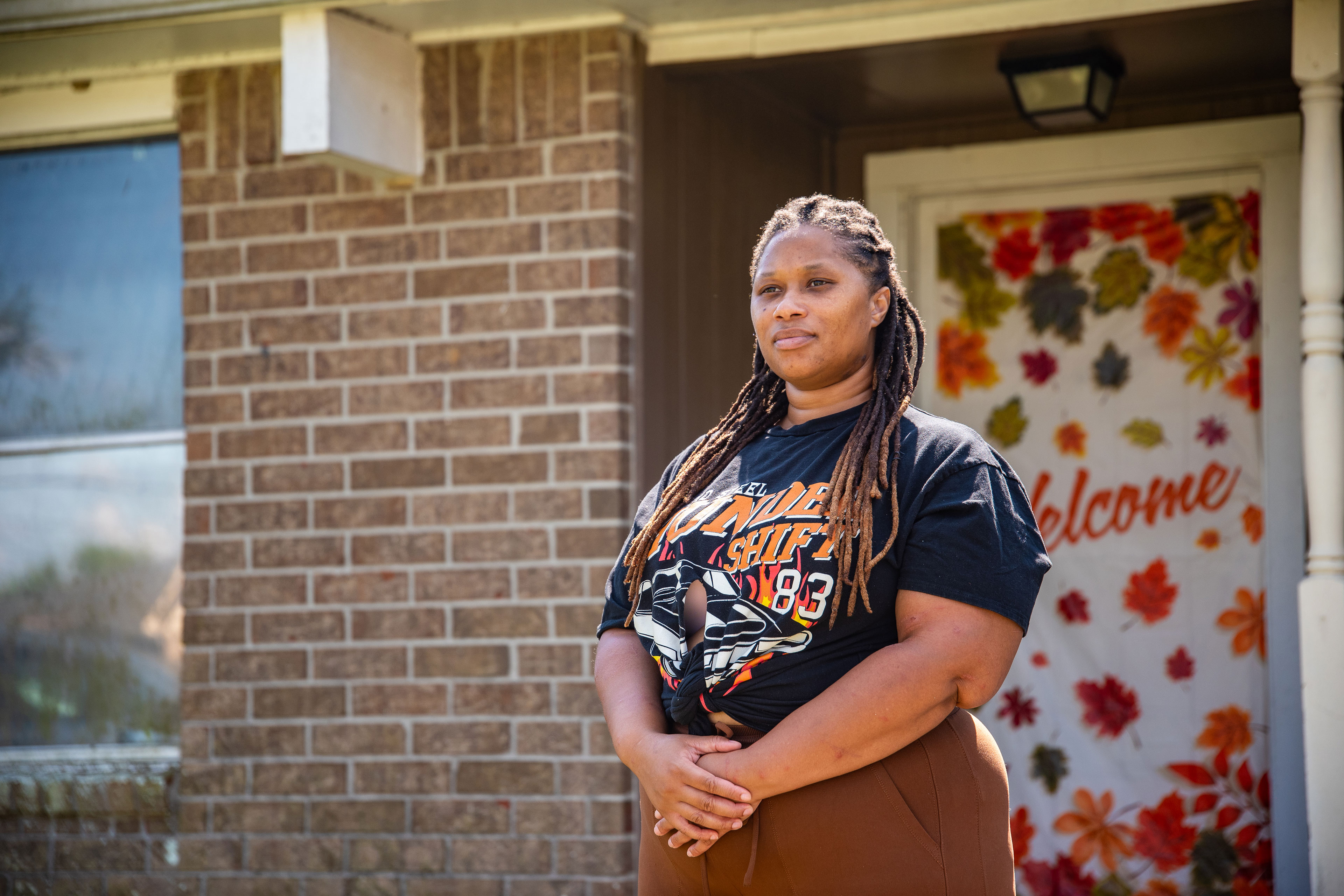
Anti-hunger advocates argue that the increasing need for food assistance has grown alongside these barriers to SNAP. Aaranika Macon, who experienced a three-year period of SNAP benefits while pursuing nursing school, lost eligibility after securing a healthcare job. She re-applied in February but did not receive benefits until April, despite expecting a similar level of assistance.
SNAP-eligible households are supposed to receive benefits within 30 days of application, but Macon's application took two months to process. In Louisiana, higher education students are eligible for SNAP if they attend school at least half-time and meet other criteria. The pressure to reduce error rates and the complexities of the application process have led to more denials, exacerbating the challenges faced by applicants and states alike.
Written by urgent.news from KFF Health News's reporting — not their text. Machine-written — may contain errors; check the original before relying on it.