EU: Deutschland und Frankreich wollen das Verbrenner-Aus weiter lockern
Merz und Macron einigen sich auf einen Deal für die Autoindustrie: Frankreich kommt Deutschland beim Verbrenner-Aus entgegen. Dafür gibt Deutschland bei „Buy European“-Vorgaben nach.
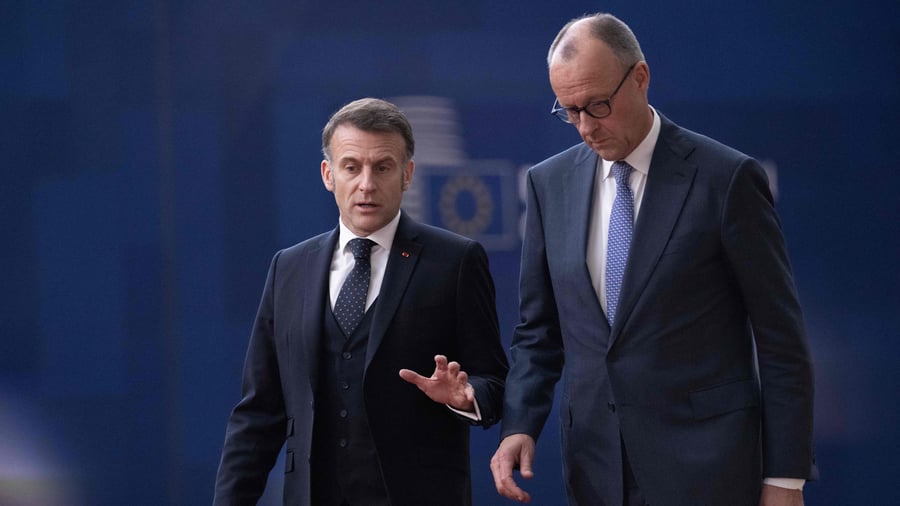
Deutschland und Frankreich are seeking to soften the EU's upcoming ban on combustion engine vehicles beyond what was initially planned, according to sources cited by the Handelsblatt. The EU's average CO2 emissions for newly registered vehicles are expected to be cut by 100 percent by 2035 compared to 2021 levels. This would effectively result in a ban on combustion engines, as the fleet limit would be zero grams of CO2 per kilometer.
However, EU regulations currently require a 90 percent reduction in CO2 emissions for new vehicles by 2035, which could be achieved through the use of low-carbon steel, synthetic fuels, and biofuels. Merkel and Macron apparently agreed on a broader position to weaken the EU's plan, though further details are still being negotiated. The two countries are seeking an additional ten percentage points of relaxation without compensation, which could potentially lower emissions by up to 80 percent.
This relaxed stance would give automakers more leeway to sell more combustion engine vehicles than the current EU plans. Under the EU's current proposal, around 27 to 29 percent of new vehicles would still rely on combustion engines by 2035. A further softening could increase this number.
Additionally, the plan aims to extend the midpoint target for 2030: while the current regulation requires new vehicles to cut CO2 emissions by 55 percent compared to 2021 levels, the current proposal allows for this target to be averaged over a three-year period from 2030 to 2032. The German-French proposal would extend this to five years, from 2028 to 2032, which is expected to be a key demand from industry. This move could help manufacturers avoid heavy fines.
France is relying on European tax revenue to support German automakers, as the latter would otherwise lack a majority in the Council of Member States for such a relaxation. In return, Germany is offering France support for the planned Industrial Accelerator Act (IAA), which aims to establish "Buy European" standards for the automotive industry.
While Germany had previously pushed for more open rules for trade partners such as Turkey, Vietnam, and Morocco, France wants these new industry regulations to be far more restrictive. The EU Parliament is currently negotiating the proposal, but no agreement has been reached yet. Paris would like to see future EU tax incentives, such as purchase premiums or other state support for electric vehicles, go only to vehicles produced to a significant extent within the EU.
A potential agreement could be reached within the next two weeks, with FDP MP Jan-Christoph Oetjen emphasizing the need for speedy decisions as tens of thousands of jobs hinge on the outcome. The FDP spokesman stressed that they would judge the concrete proposal based on its openness to technology that can contribute to combating climate change.
Written by urgent.news from Handelsblatt's reporting — not their text. Machine-written — may contain errors; check the original before relying on it.