<em>The Social Reckoning</em> Is a Zombie of a Movie
Aaron Sorkin’s sequel to The Social Network forgets what made the original film work.
The Social Network, directed by David Fincher and written by Aaron Sorkin, revolutionized the portrayal of the internet age in 2010. The film focused on the tumultuous relationship between college students, Mark Zuckerberg and Eduardo Saverin, as they navigated the challenges of creating a successful online platform. Fincher's adaptation skillfully captured the dreamy and hostile atmosphere of Harvard while depicting the complex dynamics of Zuckerberg's friendship and rivalry with Saverin.
In contrast, The Social Reckoning, a Sorkin-written and directed sequel released in 2021, aims to expose the negative impact of Facebook on society. The movie serves as a grim reminder of the company's disregard for user well-being and its manipulation of algorithms to promote harmful content. Written by Sorkin, The Social Reckoning intensely criticizes Facebook's actions and decisions from 2019 to 2021, based on investigative reporting by Jeff Horwitz and whistleblower Frances Haugen.
Jeremy Allen White plays Horwitz and Mikey Madison portrays Haugen, both working together to reveal the truth about Facebook's damaging consequences. Despite Sorkin's diligence in presenting the reporting, the film struggles to engage the audience with excitement. Instead, it feels like a perfunctory conclusion to the story he told years earlier.
The director's attempts to infuse life into the film through visuals and pacing fall short, as the movie appears flat and gray. Set in sterile hotel rooms and office spaces, the narrative lacks the captivating energy that characterized Fincher's original film. The most significant difference between the two films is the emotional depth found in The Social Network.
That original movie depicted not only the inception of Facebook but also the tumultuous relationship between Zuckerberg and Saverin. In The Social Reckoning, the only interpersonal tension comes from Horwitz's efforts to make Haugen comfortable with leaking internal documents. The film has no such tumultuous or compelling moments, leaving the audience yearning for a more emotionally charged experience.
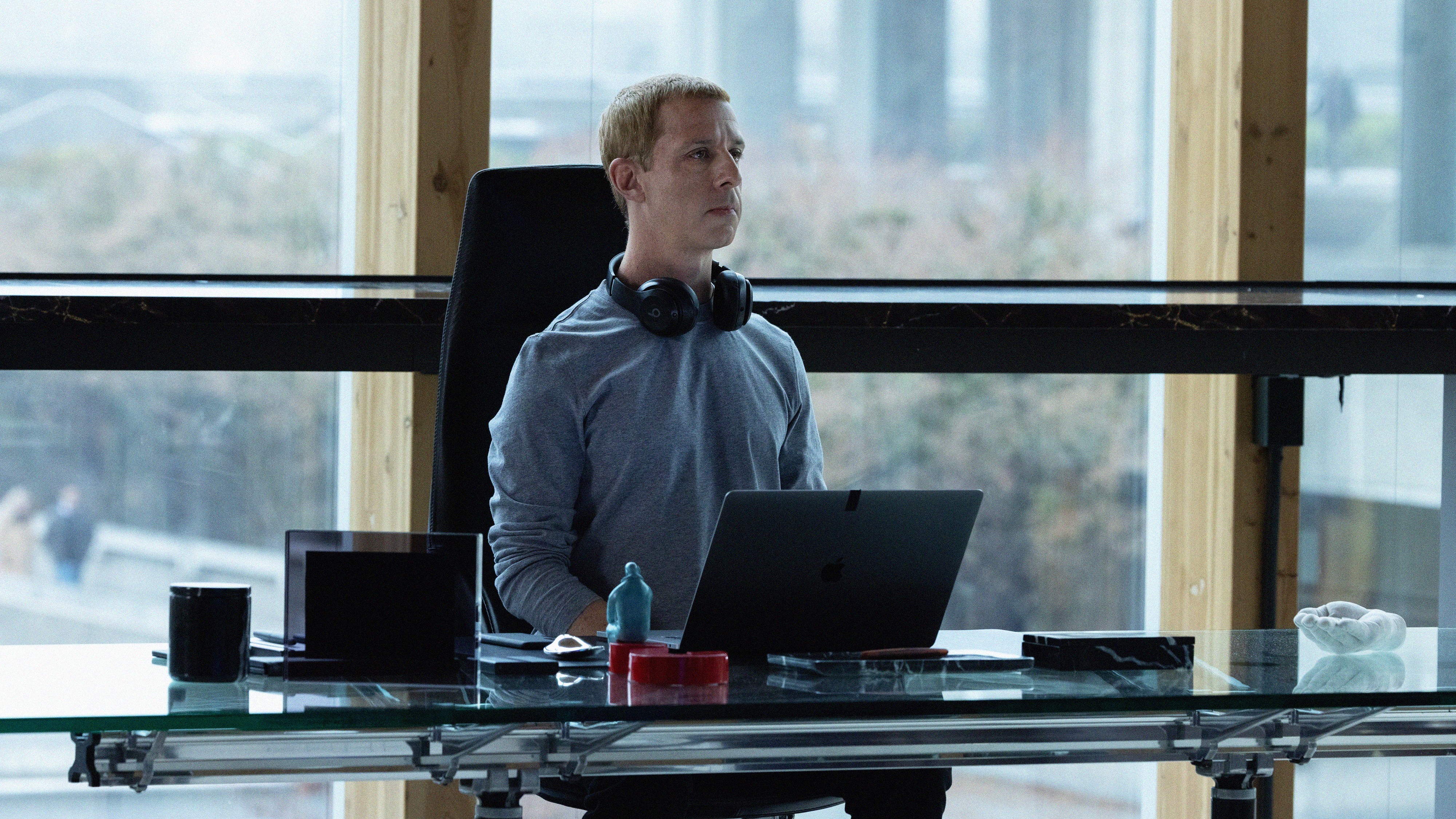
A crucial comparison point between the two films is Zuckerberg's portrayal. In The Social Network, Eisenberg's performance as the awkward and insecure CEO earned him an Oscar nomination. However, in The Social Reckoning, Jeremy Strong replaces Eisenberg and delivers a competent but uninspiring performance. Strong's Zuckerberg appears stiff and emotionless, lacking the youthful insecurity that made Eisenberg's portrayal so memorable.
The character's aging and isolation are evident, but it fails to generate the same impact as Eisenberg's performance. Facebook's role in society is undeniable, and The Social Reckoning does an excellent job of presenting the facts. However, the film's inability to engage viewers emotionally leaves much to be desired. The movie relies on familiar Sorkin screenwriting tropes, which have become increasingly repetitive and stale.
The narrative's constant jumping back and forth in time, incorporating events like the pandemic and the January 6 insurrection, only serves to disorient the audience. Ultimately, while The Social Reckoning accurately portrays the troubled world Facebook has created, it fails to present the information in a manner that captivates or resonates with viewers.
Written by urgent.news from The Atlantic's reporting — not their text. Machine-written — may contain errors; check the original before relying on it.