Elettrodomestici, per gli italiani la durata conta più del prezzo
La priorità dei consumatori è la durevolezza, il prezzo viene dopo. Il 58% degli italiani mette la durata tra i principali criteri di acquisto per gli elettrodomestici, davanti ai consumi...
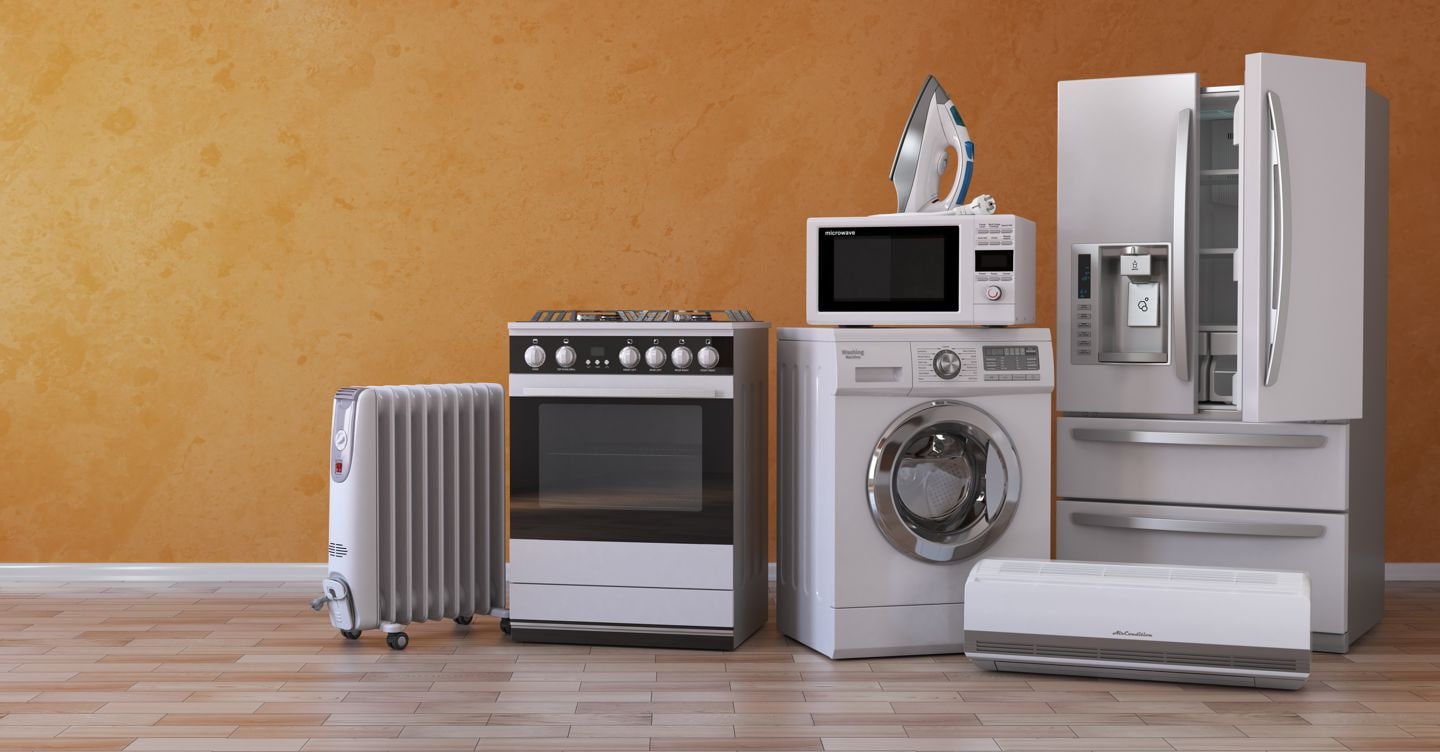
In Italy, consumers prioritize the durability of appliances over price, according to a recent Ipsos Doxa survey. Out of the 58% of Italians who consider longevity a key purchasing criterion for household appliances, energy consumption (55%) and initial cost (33%) rank lower. The data was presented in Milan for Miele, a German brand focusing on long-term economy.
This comes at a positive time for the market: in the first five months of 2026, NielsenIQ recorded a 1.8% increase in the value of Italian sales for large household appliances and a 9.8% rise for small appliances.
Consumers are increasingly valuing certain types of products. Ninety-one percent of respondents view a durable appliance as an investment, while 97% believe it is important for the product to function for many years. Cost is not the top priority, as Antonio Filoni, business development director AUM of Ipsos Doxa, explains: "Price matters, but other aspects are becoming more important."
The difference lies in time: spending less at purchase may seem like a false saving if the product is short-lived or consumes a lot of energy. For fridges and washing machines, about nine out of ten respondents would pay a premium for a device that lasts twice as long as the average.
Younger consumers drive this trend. Among those aged 18 to 34, durability is a purchase criterion for 64%, compared to 58% of the overall sample: "For the young, sustainability enters the picture, along with a greater focus on expenditure," Filoni notes. These two factors are not contradictory. A 2025 Agos-Eumetra research reveals that over 80% of 18-34 year olds consider sustainability important, but also highlight the limit of purchasing power.
Durability is indeed a relevant factor for the environment: 84% of respondents believe the most sustainable product is the one that doesn't need to be replaced often; 67% associate sustainability primarily with durability and reparability; this theme has become even more concrete since the beginning of July, when the European Union began implementing new rules on the right to repair, strengthening access to repairs and spare parts.
The role of innovation is also judged with the same metric: 59% find innovation useful if it saves energy, 40% if it extends the product's life, and 26% if it reduces maintenance. Only 18% believe innovation is important for implementing new functions: "New features are the icing on the cake, but if the cake isn't good, it doesn't matter," Filoni adds.
Markus Miele, executive director and co-owner of the group, concludes that technology becomes significant when it solves a real problem or provides a tangible benefit. He agrees with the research findings: "People want longevity, and we are on the right strategic path."
Written by urgent.news from Il Sole 24 Ore's reporting — not their text. Machine-written — may contain errors; check the original before relying on it.