Eggshells help make stronger, lighter metal alloys
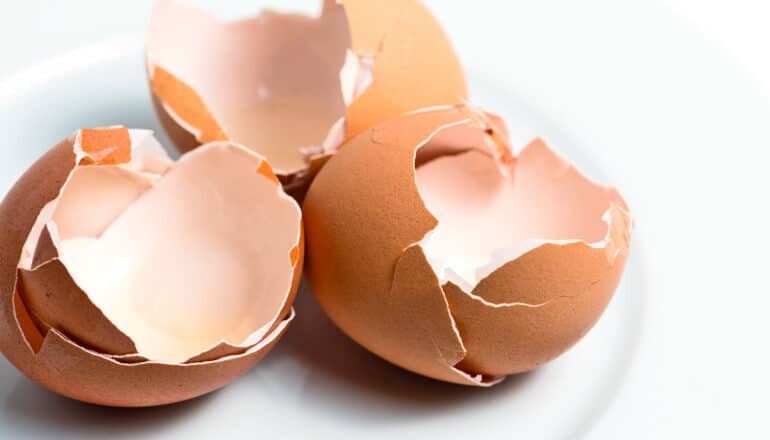
Researchers have developed a method utilizing powdered eggshells to create high-quality magnesium alloys, which possess exceptional strength and lightness suitable for diverse applications in automotive, aerospace, and biomedical fields. This innovative technique serves as a low-cost, environmentally sustainable substitute for traditional calcium materials, typically manufactured through an energy-intensive ore extraction process.
Calcium materials, such as calcium carbonate and calcium oxide, play a crucial role in producing metal alloys.
The study's corresponding author, Bharat Gwalani, an assistant professor of materials science and engineering at North Carolina State University, explains that while calcium carbonate and calcium oxide are vital for manufacturing metal alloys, their extraction involves a complex process utilizing mined materials. Instead, the researchers have demonstrated a technique that bypasses this step by incorporating eggshells directly into the alloy production process.
Eggshells, comprising 95% calcium carbonate, undergo a conversion to calcium oxide and nascent calcium during the manufacturing process.
Gwalani highlights several advantages of this approach, including fewer manufacturing steps, a reliable and sustainable supply chain, reduced costs due to the affordability of eggshells, and lower energy consumption, as the process eliminates the energy-intensive step of transforming calcium materials from ore. To verify the efficacy of this method, the researchers employed eggshells to produce stronger, harder magnesium alloys, which combine strength and weight, making them highly desirable for electronics and aerospace equipment.
The researchers commence the process by drilling evenly spaced holes into a magnesium cylinder. These holes are subsequently filled with finely ground eggshells. The cylindrical block is then placed within a steel cylinder, where a steel mandrel with a central hole is lowered into the cylinder. The mandrel functions as a "pestle" in a mortar, pressing and spinning the magnesium block at 300 rotations per minute.
This friction stir extrusion technique simultaneously mixes the eggshell powder into the magnesium, converting the calcium carbonate into calcium oxide and calcium, resulting in the high-strength alloy Mg2Ca. Lastly, the downward force of the mandrel forces the magnesium alloy through the hole, yielding an extruded rod of the finished product.
This research underscores the potential of producing high-value, high-quality magnesium alloys using an inexpensive, sustainable, and biogenic waste material, such as eggshells. These alloys exhibit enhanced mechanical properties due to the addition of calcium, which improves its overall performance, especially in demanding applications.
Furthermore, the researchers have previously demonstrated the feasibility of using friction stir extrusion to produce magnetic composites by grinding magnetic samarium-cobalt (SmCo5) powder into scrap aluminum, thereby expanding the scope of this novel approach to various other applications. The findings are published in the Journal of Magnesium and Alloys.
Written by urgent.news from Futurity's reporting — not their text. Machine-written — may contain errors; check the original before relying on it.