¿Durante cuánto tiempo más podrá el mundo absorber el shock de Irán?
Las perturbaciones en el suministro de petróleo, los precios del crudo y la economía mundial han sido sorprendentemente manejables hasta ahora. Leer
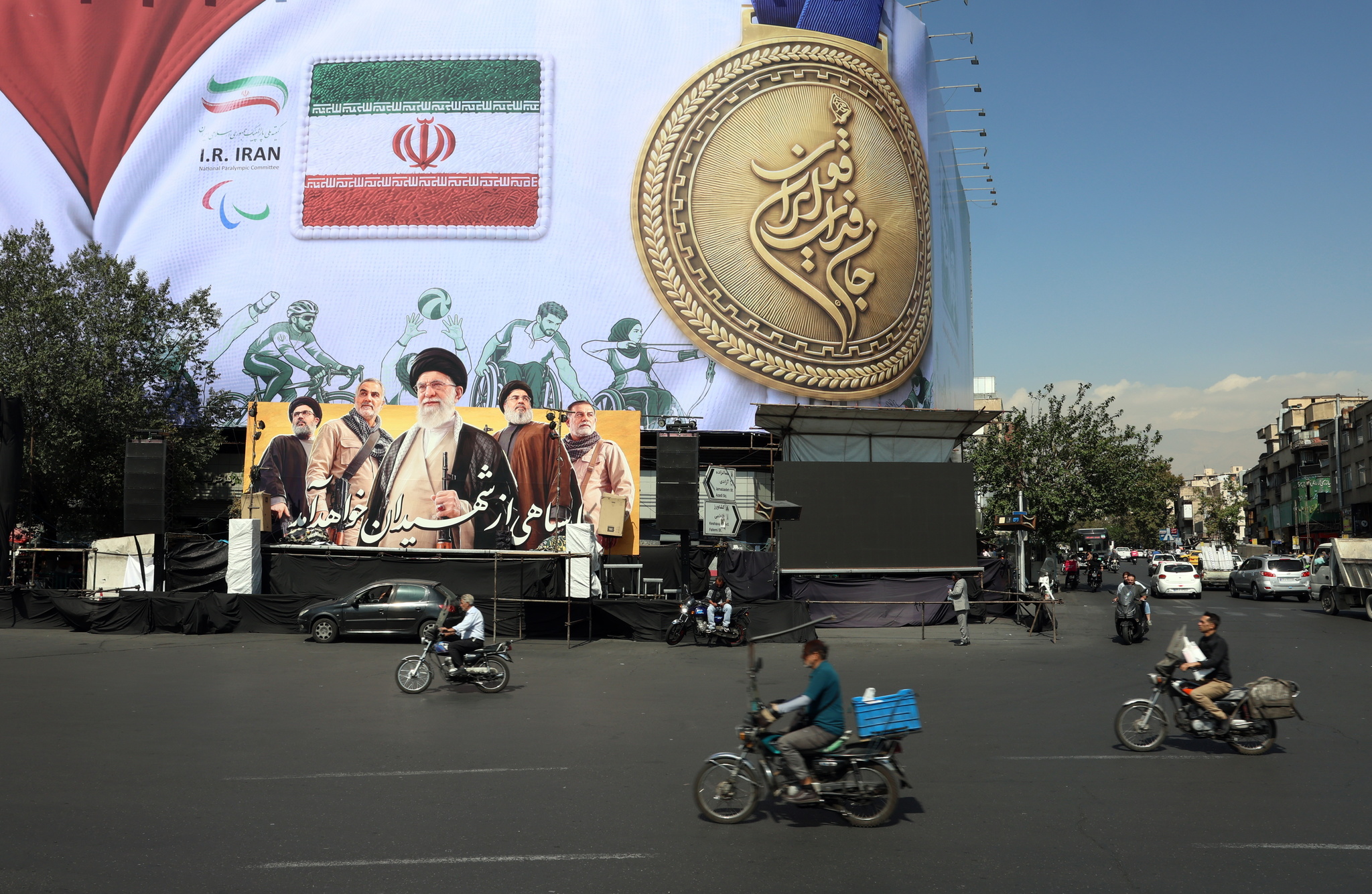
The ongoing conflict in Iran has proven surprisingly manageable so far, with the global economy, oil supply, and prices largely unaffected. The eight-month-long war shows no signs of ending, and it remains uncertain what will happen next. While the conflict between the two sides has been relatively even, it is unclear how long this situation will persist.
John Mearsheimer, a professor at the University of Chicago, considers the war against Iran to be the "mother of all strategic mistakes," citing several reasons, including the false claim that Iran was close to acquiring a nuclear weapon, the belief that air power alone would topple the regime, and the lack of a contingency plan for a potential closure of the Strait of Hormuz by Iran.
The war has failed to achieve its primary objectives: regime change, the end of Iran's nuclear enrichment capability, the elimination of its long-range missile capability, and the cessation of support for Hamas, Hezbollah, and Houthi rebels. The closure of the Strait of Hormuz has caused significant damage to the international economy and could cause even more; it has also damaged the structure of US alliances in the Persian Gulf and other regions.
However, economic disruptions have been surprisingly moderate. In August, John Urpelainen, from the Johns Hopkins School of Advanced International Studies, noted that many initially thought the supply disruption would push oil prices to $200 per barrel, causing massive inflation and a global recession. Instead, oil prices peaked at $126 per barrel in April 2026 and have since remained near their long-term average since 1972.
This is attributed to the energy transition reducing global dependence on oil, resilient supply chains, increased production by non-Oriental producers, and the release of global oil reserves to cover the deficit. The flexibility of the Gulf region is a notable characteristic. However, it is essential not to overlook that consumers purchase products derived from crude oil, not crude itself.
Gulf refineries have suffered considerable damage, and refineries are designed to process specific types of crude, leading to shortages of certain products, notably diesel. This situation even prompted former President Donald Trump to consider a plan (later abandoned) to halt US exports. Nevertheless, other products have experienced greater price increases than crude oil, including natural gas and sulfur.
Despite these challenges, the overall economic impact has been surprisingly manageable, largely due to the surge in investment driven by artificial intelligence (AI). However, the future health of the global economy depends not on the level of investment but on its growth rate and the AI's final economic contribution. It remains uncertain how long this investment will continue, and the economic impact of AI, or even its catastrophic effects, is unclear.
Another source of vulnerability is the sustainability of global debt in a high-interest rate environment, particularly affecting countries with short-term public debt, which have less protection against the impact of rising inflation on interest rates. A major unknown is whether the conflict between stupidity and ingenuity will persist.
If so, the energy shock should remain under control, but this is not guaranteed, as the current situation, especially the release of reserves, cannot be sustained indefinitely. It is also unclear whether China's internal demand will remain strong, as this could lead to significant price increases for oil. The most critical question is the direction the war will take. Could Trump leverage the midpoint election victory to his advantage?
Written by urgent.news from Expansion ES's reporting — not their text. Machine-written — may contain errors; check the original before relying on it.