Dubai approves more than 40 areas for shared housing and gives owners one year to comply
Landlords have been given one year to bring their buildings into line with new shared accommodation regulations after Dubai earmarked more than 40 areas for shared housing. The move came as the city cracks down on overcrowding and the illegal subletting of multi-occupancy apartments. Dubai is grappling with a major population rise; more than 200,000 people moved to the emirate this year, despite…
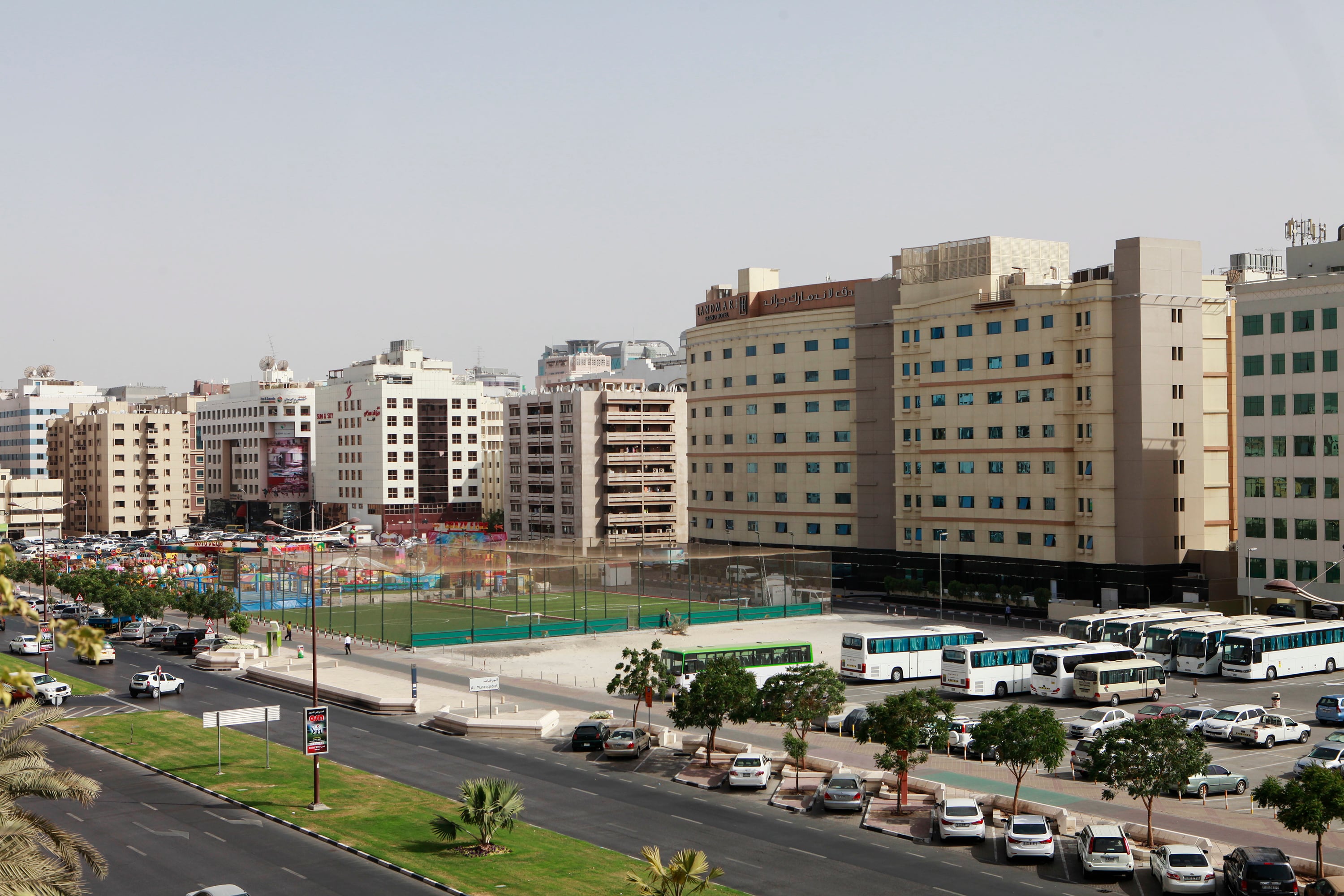
Dubai has designated over 40 areas for shared housing, giving property owners one year to comply with new regulations. The city is addressing overcrowding and illegal subletting of multi-occupancy apartments. Dubai's population surged by more than 200,000 people in 2024, despite the consequences of the Iran war. Many approved shared housing areas are situated outside popular tourist destinations like Al Souq Al Kabeer, Al Ras, Al Warqa 1, Al Barsha 1, Al Muraqqabat, and Al Rigga.
Sharing a home is a practical solution for many residents in Dubai, but concerns arise when apartments designed for limited occupancy are converted into overcrowded living spaces. For instance, a two-bedroom apartment may be divided into multiple rooms, with more individuals sleeping in living areas, on balconies, or other non-intended spaces.
This can strain kitchens, bathrooms, ventilation systems, and electrical setups, potentially compromising fire safety and escape routes. In June 2025, a fire in a residential block in Dubai Marina, housing over 3,800 people, highlighted the risks of illegally partitioned homes. To tackle these issues, Dubai Municipality launched the Shared Housing Guide, outlining building design, occupancy, health, safety, shared facilities, and approved locations.
The regulations aim to protect the privacy, safety, and rights of property owners and occupants. Ahmed Elnaggar, a legal expert, explained that the law covers six types of properties eligible for shared accommodation: residential apartments, stand-alone houses, residential complexes, mixed-use buildings, adjoining houses, and multi-storey buildings.
Unauthorised partitioning is widespread across Dubai rather than confined to a single area. Property owners can address these concerns within a one-year timeframe, starting from September 8, 2026, to bring their buildings into compliance. Requirements include providing at least five square meters per person for bedrooms, separate bedrooms with en suite bathrooms for family units, and essential shared facilities such as kitchens, bathrooms, dining, recreation, laundry, and clothes drying areas.
Penalties for non-compliance include fines ranging from Dh500 to Dh500,000, with repeat offenses doubling the penalty, up to a maximum of Dh1 million. Property owners must obtain permits for shared housing designations through the Build in Dubai platform. The Dubai Municipality's goal is to foster a safe, healthy, and well-regulated living environment, preserving Dubai's urban aesthetics.
Rewritten by urgent.news; may contain errors — check the original.
Other reports of this story
- Dubai approves more than 40 areas for shared housing and gives owners one year to comply thenationalnews.com
- Dubai Municipality lists 44 areas for shared accommodation under new rules arabianbusiness.com