Dorothea Tanning Beyond Max Ernst’s Shadow
A new biography attempts to make the case for Tanning’s independence and artistic strength in her own right, but remains frustratingly tethered to her husband.
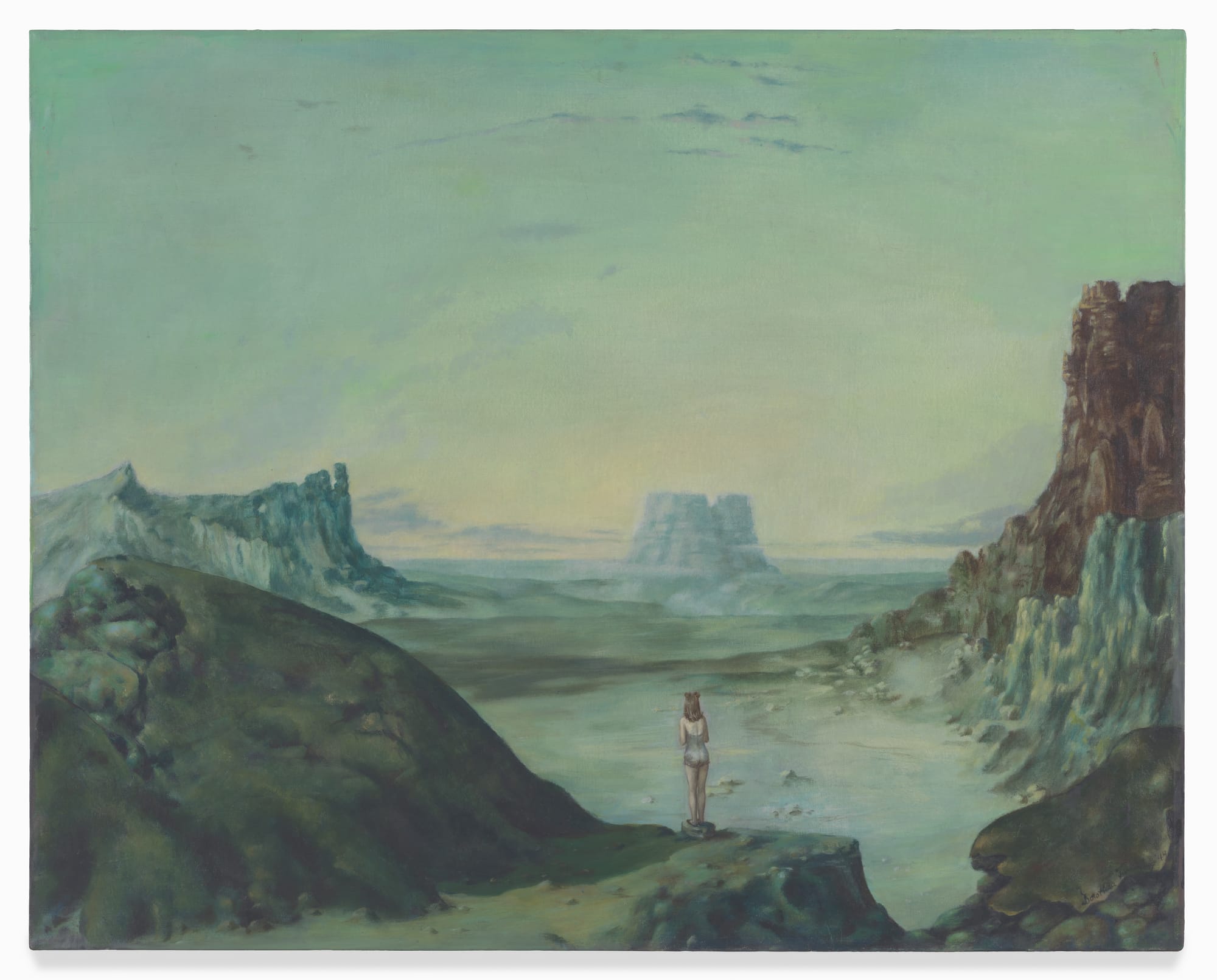
Dorothea Tanning's life and career were shaped by both her personal experiences and her dedication to Surrealism, according to Alyce Mahon's new book, Dorothea Tanning: A Surrealist World. Born to Swedish immigrants in the small Illinois town of Galesburg, Tanning exhibited an early ambition to achieve great things, which led her to Chicago and then New York in 1935.
It was in New York that Tanning discovered her love for Surrealism, after attending the Fantastic Art, Dada, Surrealism exhibition at the Museum of Modern Art in 1936.
Tanning's journey into the Surrealist world was marked by a series of encounters with other artists, including the famous Max Ernst. In 1939, Tanning visited Paris, seeking to meet various artists on a list she had compiled. Paris, however, was a somber place, with the specter of war looming on the horizon. Despite the grim atmosphere, Tanning managed to meet Ernst in Paris, a connection that would eventually culminate in their marriage in 1946.
Ernst was a significant figure in Tanning's life, serving as both a mentor and a husband, yet Mahon's book grapples with the challenge of separating Tanning's identity from her association with Ernst.
Mahon's biography is a thorough and scholarly work, providing a comprehensive overview of Tanning's life, but it can feel ambitious and overly academic at times. The book delves into the minutiae of Tanning's artistic journey, including her commercial art work for Macy's and other clients, and her experiences as a young artist navigating the surrealist movement.
While this level of detail offers valuable insights, it can also make the book feel dense and tedious at points. Mahon's attempt to disentangle Tanning from her husband's shadow, an admirable goal, sometimes results in a somewhat defensive portrayal of her subject.
In summary, Dorothea Tanning: A Surrealist World offers a detailed and well-researched account of Tanning's life and career, providing a panoramic view of her artistic trajectory. However, the book's academic tone and its effort to separate Tanning from Ernst may make it feel challenging for some readers to engage with.
Written by urgent.news from Hyperallergic's reporting — not their text. Machine-written — may contain errors; check the original before relying on it.