Cybercrime: NRW gelingt Schlag gegen berüchtigte russische Hackergruppe
Qilin ist ein Fabelwesen aus der Harry-Potter-Welt. Im wahren Leben verbergen sich hinter dem Namen russische Hacker und Erpresser. Einer von ihnen ist nun deutschen Behörden in die Maschen gegangen.
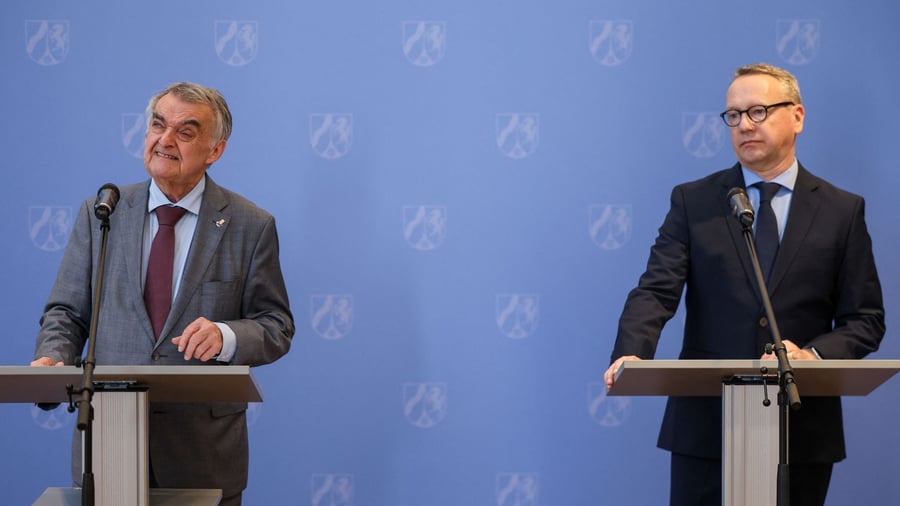
On Friday, a German hacker from Tokyo was extradited to Germany and is now detained in a correctional facility. He is believed to be one of the key leaders of a notorious Russian hacker group, Qilin. According to NRW Interior Minister Herbert Reul, this marks the largest victory for German investigators in the fight against cybercrime.
Qilin is responsible for attacking nearly 4,000 companies and institutions worldwide, including 150 in Germany, with 30 based in North Rhine-Westphalia (NRW). The ransom demands from these attacks total nearly $3 billion, with over $140 million already paid. Qilin operates by encrypting data and stealing sensitive information, demanding ransom payments to restore access.
The group is believed to have hundreds of "affiliates," or accomplice groups, who help execute ransomware attacks. German investigators spent months infiltrating Qilin, tracking payment streams in cryptocurrencies, and piecing together a comprehensive picture of the group's operations. They monitored the hacker's digital communications, even obtaining access to their internal discussions, revealing the group's vulnerability to law enforcement.
The success of this operation demonstrates that investing in cyber defense is a wise expenditure. Reul and Justice Minister Benjamin Limbach urge companies targeted by cybercriminals to report incidents to authorities rather than paying ransoms. Paying ransoms only funds these criminals, allowing them to continue their malicious activities.
Written by urgent.news from Handelsblatt's reporting — not their text. Machine-written — may contain errors; check the original before relying on it.