Cuánto puede ahorrar un casero en el IRPF si baja el alquiler un 5%
El Gobierno resucita su paquete de vivienda en plena disolución de las Cortes para que lo vote la Diputación Permanente: los caseros que recorten la renta más de un 5% podrán desgravarse hasta el 100% en el IRPF. Leer
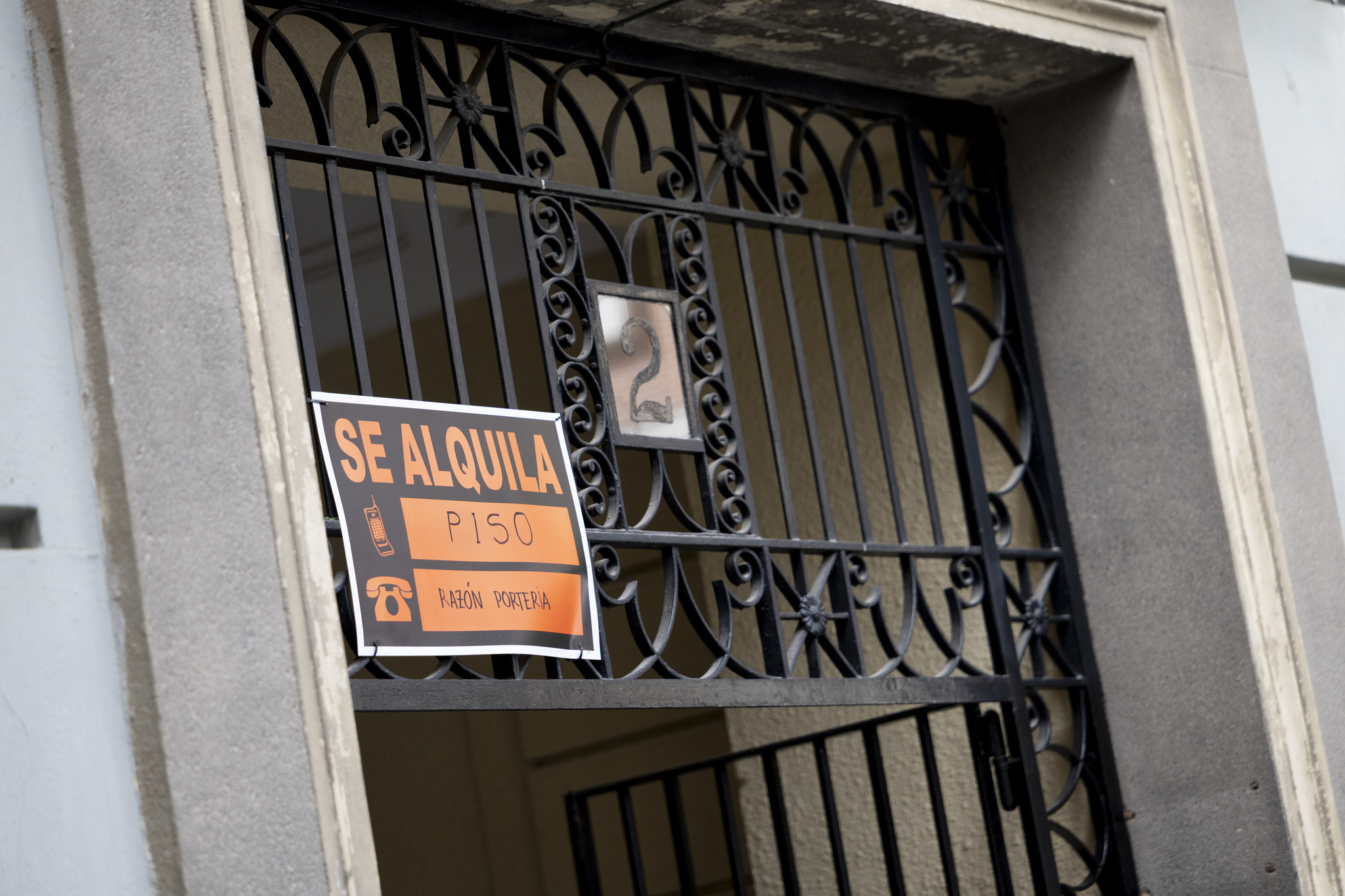
The recent surge in Spain's housing sector has been triggered by the Government's decision to reissue two Real Decree-Laws—28/2026 and 29/2026—immediately, bypassing the usual parliamentary process. This move has sparked a legal and political debate, with the opposition accusing the Executive of undermining parliamentary sovereignty, while the Government defends the urgent need to protect homeowners from skyrocketing rents.
Regardless of the controversy, the text of Real Decreto-Ley 29/2026 is now in the Official State Bulletin (BOE) and contains a significant fiscal reform: tax exemptions of up to 100% for homeowners who lower rental yields by 5%. This incentive is targeted at non-major property owners (those with fewer than ten residential urban properties or less than five in areas of high demand) who formalize a new rental contract.
If the landlord agrees to a rent reduction of more than 5% compared to the last valid contract for the same property, they qualify for a graduated series of tax reductions. The incentive increases based on the homeowner's continuity, the tenant's age, and the property's location. The maximum exemption of 100% applies to homeowners who renew the contract with the same tenant after five years (or its extensions) or, if they rent to a new tenant, when the rent is below the maximum limit set by the state price indices.
The exemptions decrease progressively for other scenarios, with a minimum of 15% reduction for those who raise rents by more than 20%.
Written by urgent.news from Expansion ES's reporting — not their text. Machine-written — may contain errors; check the original before relying on it.