Could an Arab writer win the 2026 Nobel Prize in Literature? Nine names to know
With the Nobel Prize in Literature set to be announced on Thursday, attention is turning to the writers who could receive one of the world’s most prestigious literary honours. Ahead of the announcement, there is little firm information to work with. Candidates are nominated by eligible figures including literary academy members, university professors, previous laureates and representatives of…
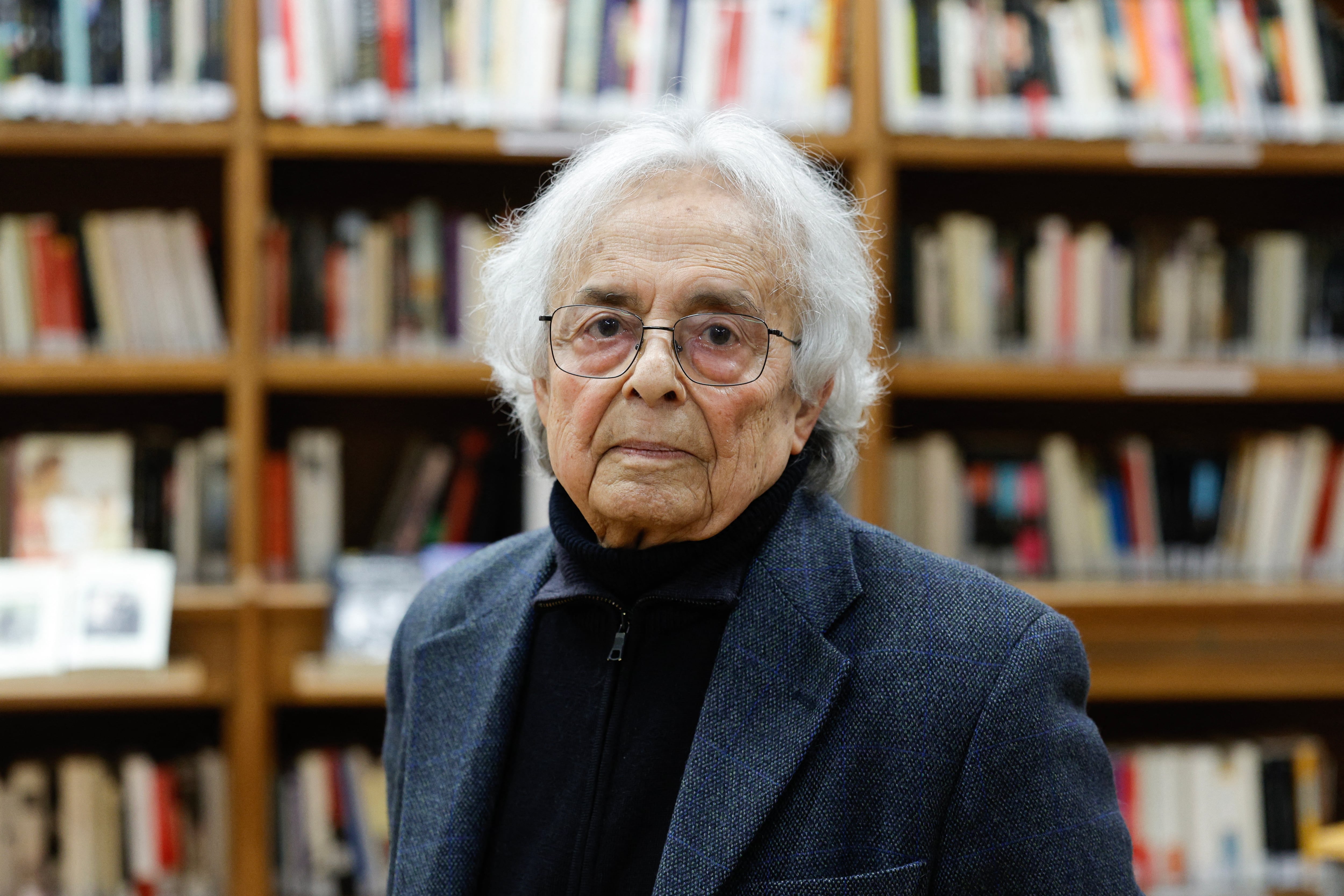
The Nobel Prize in Literature is set to be announced on Thursday, prompting speculation about who might receive this prestigious accolade. While candidates are nominated by various figures in the literary world, the final selection is made by the Swedish Academy, with their decision kept confidential for 50 years. This year, several Arab writers have strong claims to join Egypt's Naguib Mahfouz as the only Arab laureate.
One name that repeatedly appears in these discussions is Adonis. Born Ali Ahmad Said Esber in Syria, Adonis has been a transformative figure in modern Arabic poetry, blending mythology, politics, and history in his work. His contributions have earned him numerous accolades, including the Goethe Prize in 2011 and the PEN/Nabokov Award in 2017.
Another contender is Ibrahim Al Koni, a Libyan Tuareg novelist whose work centers around the Sahara desert as a symbol of myth, spirituality, memory, and survival. Al Koni has authored over 80 books, many of which have been translated into more than 35 languages. His work stands out not just for its subject matter but for the comprehensive literary world he has created around it.
Amin Maalouf, a Lebanese author, brings a different perspective to the list. His work frequently explores themes of migration, identity, and the meeting of civilizations. With notable works like Leo Africanus and The Crusades Through Arab Eyes, Maalouf has become a significant figure in French literary life, earning the Prix Goncourt in 1993.
Hoda Barakat, a Lebanese novelist, presents a different angle, focusing on the impact of conflict on individuals and their relationships. Her works, such as The Stone of Laughter and Voices of the Lost, delve into the personal consequences of war and upheaval. Barakat was a finalist for the 2015 Man Booker International Prize and won the International Prize for Arabic Fiction in 2019.
Tahar Ben Jelloun, a Moroccan writer, moves seamlessly between literary cultures, blending French and Moroccan influences in his work. His novels, such as The Sand Child and The Sacred Night, address issues of Moroccan identity, migration, and political repression. Jelloun's work has earned him recognition, including a member of the Academie Goncourt.
Leila Aboulela, a Sudanese novelist, centers her stories around faith, migration, and belonging. Her books, including The Translator and Minaret, explore how characters navigate cultural, linguistic, and personal boundaries. Aboulela was the first winner of the Caine Prize for African Writing in 2000 and has since built a substantial body of work that prominently features Sudanese and Muslim experiences.
Samar Yazbek's writing is deeply intertwined with the turmoil in Syria. Her work spans journalism, memoir, literary testimony, and fiction, often returning to the same themes from various angles. Her works, such as The Crossing and Planet of Clay, provide a poignant portrayal of war through exile, conflict, and witness. Yazbek has received several recognitions, including the PEN Pinter Prize and the Tucholsky Prize.
Bushra Al Maqtari's work focuses on the human cost of conflict in Yemen. Through her interviews with families who have lost loved ones, Al Maqtari creates a powerful piece of literature that bridges testimony, reportage, and fiction. Her unique approach has been recognized with the Tucholsky Prize in 2024. Lastly, Salim Barakat, a Kurdish-Syrian writer, pushes the boundaries of the Arabic language with his dense imagery and unusual vocabulary.
His works, like What Have You Left Behind?, offer a raw and evocative exploration of political violence and its human impact. Barakat's innovative use of language makes his candidacy intriguing and potentially compelling. As the Nobel Prize in Literature awaits announcement, these nine Arab writers represent a diverse range of voices and themes, each bringing a unique perspective to the possibilities of winning this esteemed literary honor.
Written by urgent.news from The National Business's reporting — not their text. Machine-written — may contain errors; check the original before relying on it.
This story
This is one outlet's version. Read the fullest account.
- Ukraine war latest: Russia strikes civilian vessels in Black Sea off Bulgaria's coast kyivindependent.com
- Could an Arab writer win the 2026 Nobel Prize in Literature? Nine names to know thenationalnews.com
- Ukraine finds US-made navigation sensor inside Russia’s new jet-powered drone euromaidanpress.com
- Nobel Peace Prize haunted by the 'spectre' of Trump economictimes.indiatimes.com
- Ukraine says South Korean exports helped ease Russia's drone-strike crisis abc.net.au
- 4th World March for Peace and Non-Violence: Report freepressjournal.in
- Zelenskyy: New information indicates Russia preparing massive strike en.interfax.com.ua
- Russia hits bridge while Ukraine attacks Moscow region qatar-tribune.com